
Marble, Granite and Onyx
Natural Surfaces for Contemporary Architecture
Timeless materials
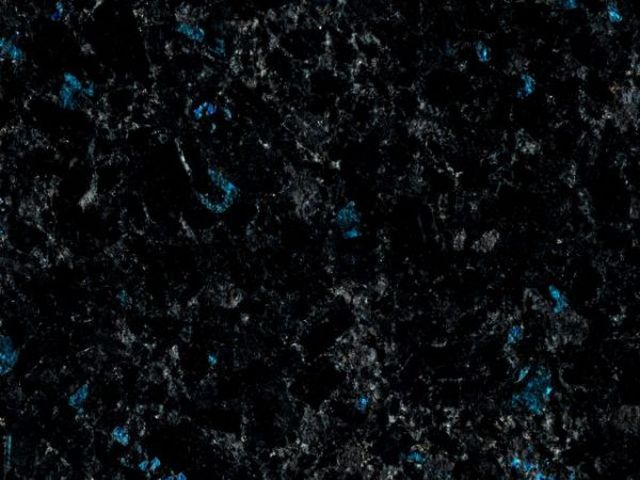
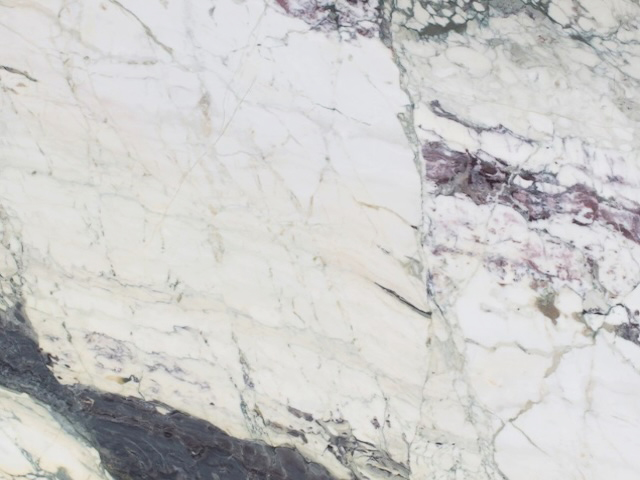
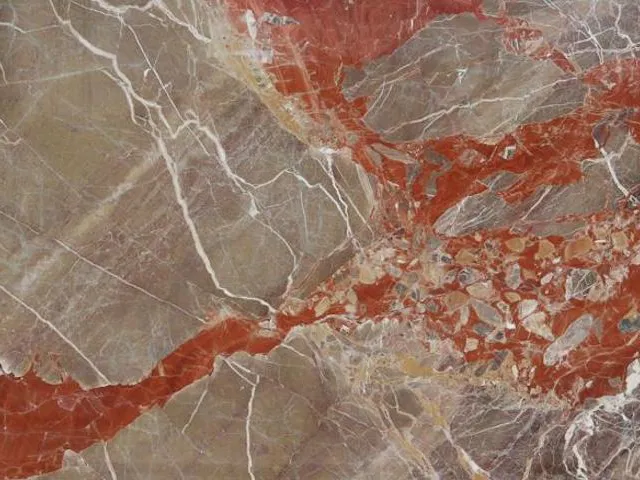
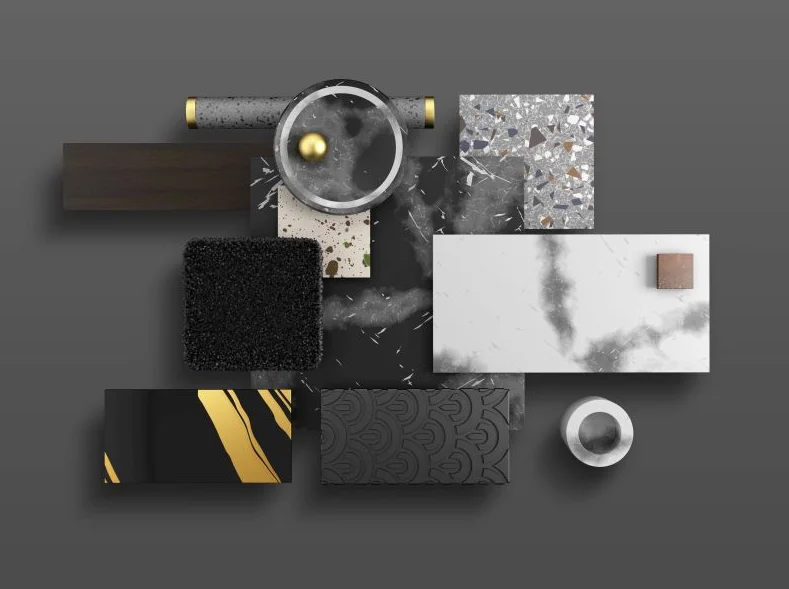
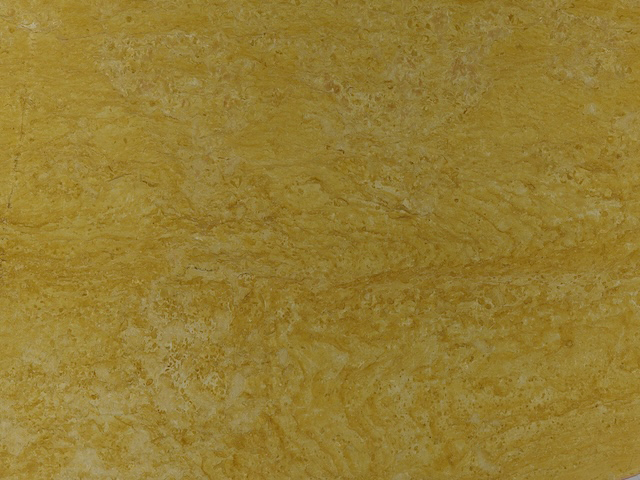
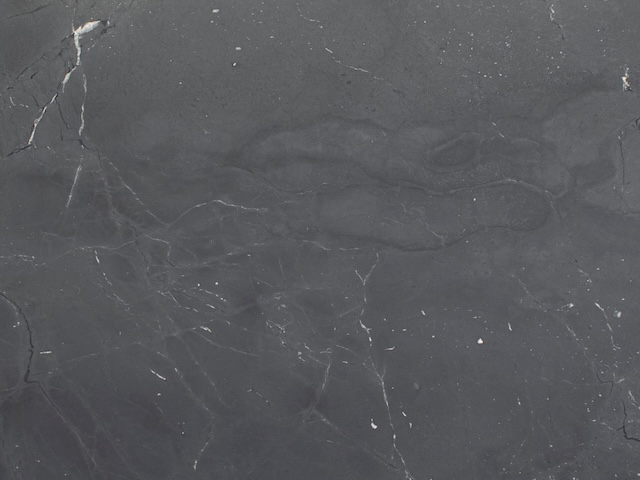
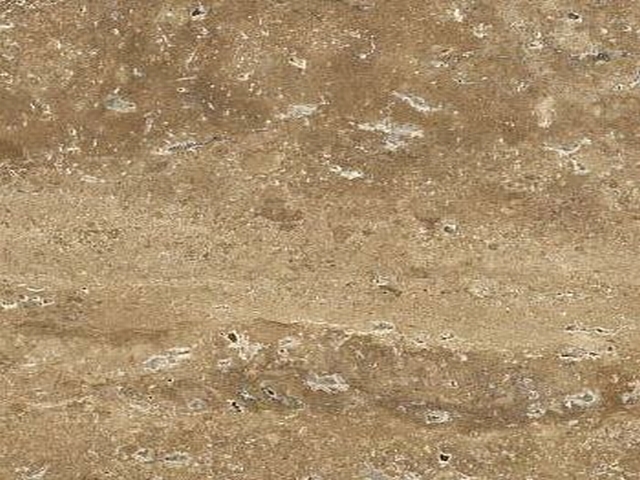
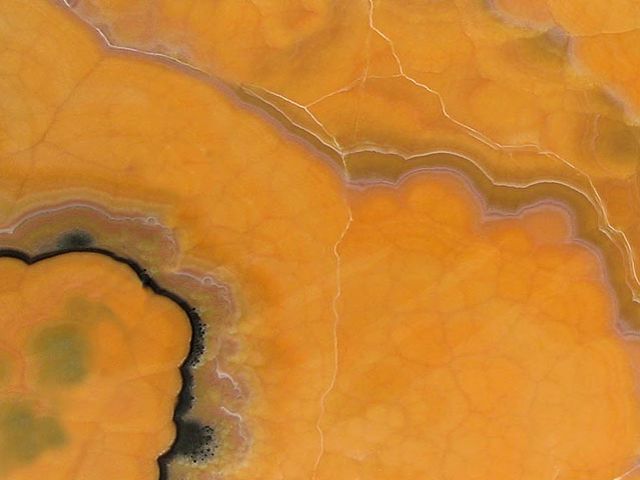
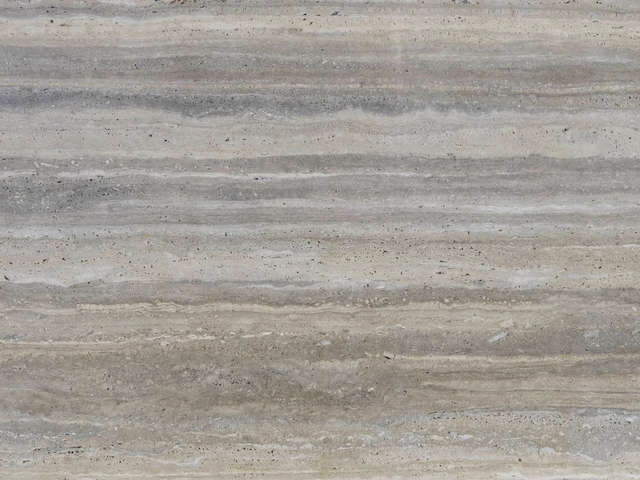
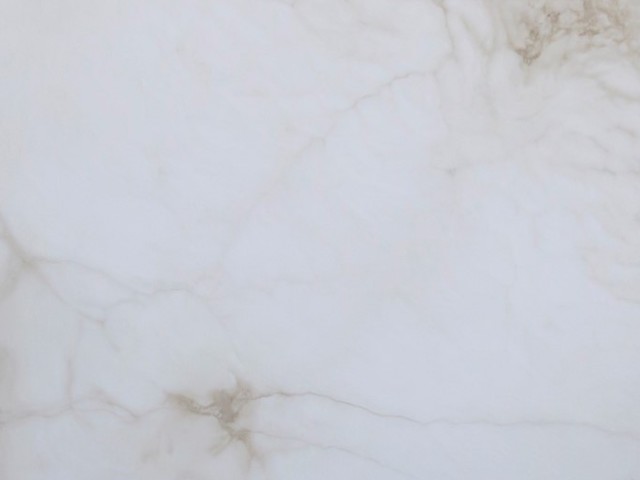
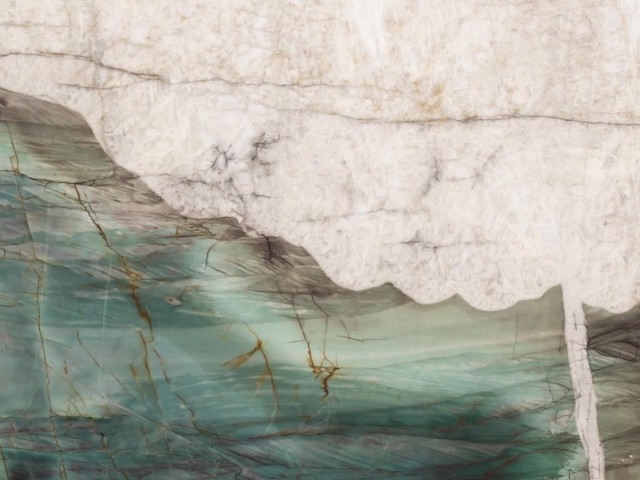
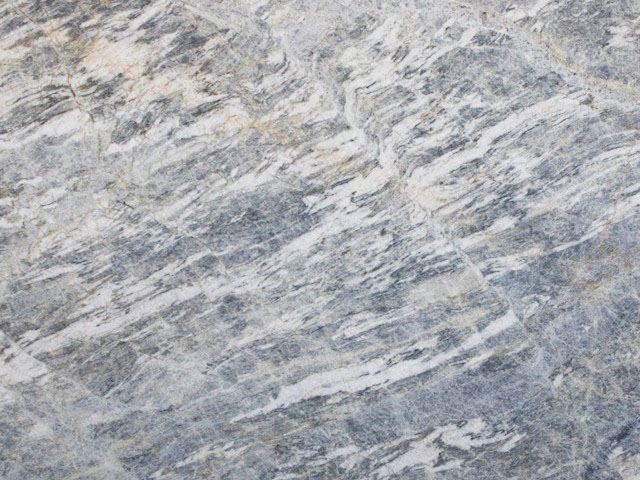
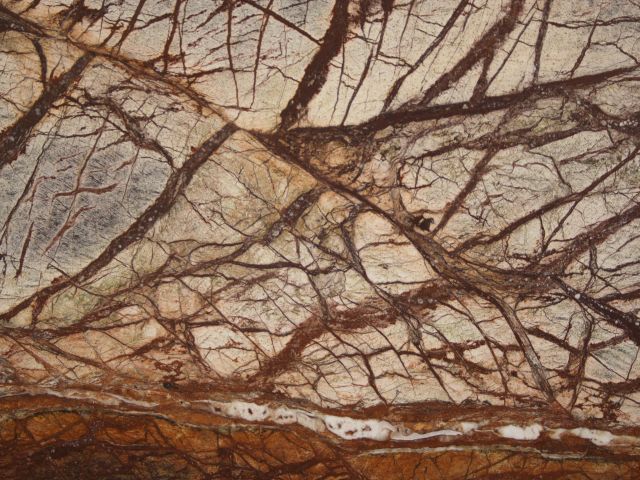
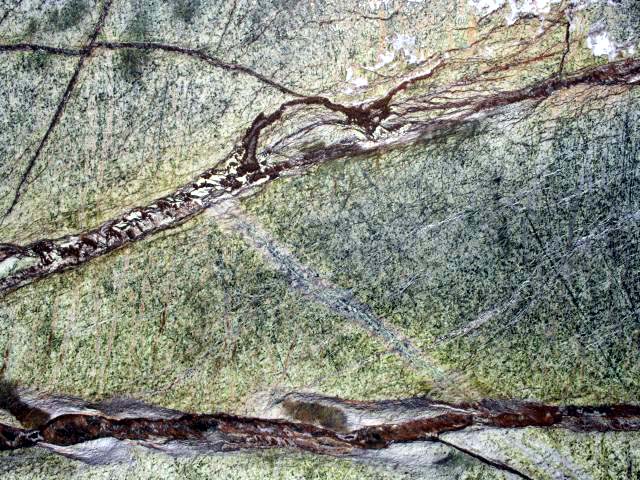
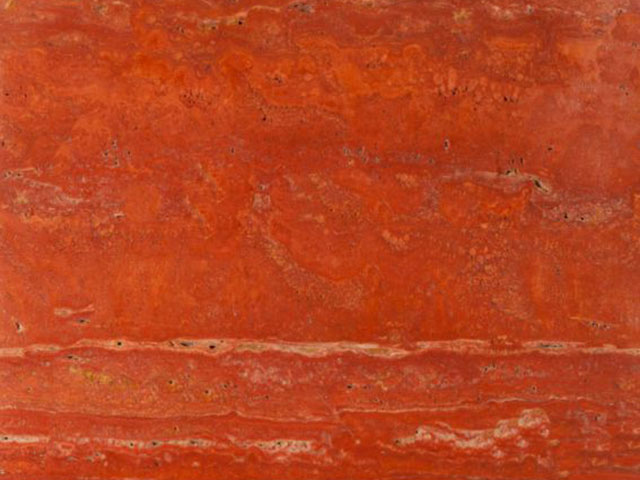
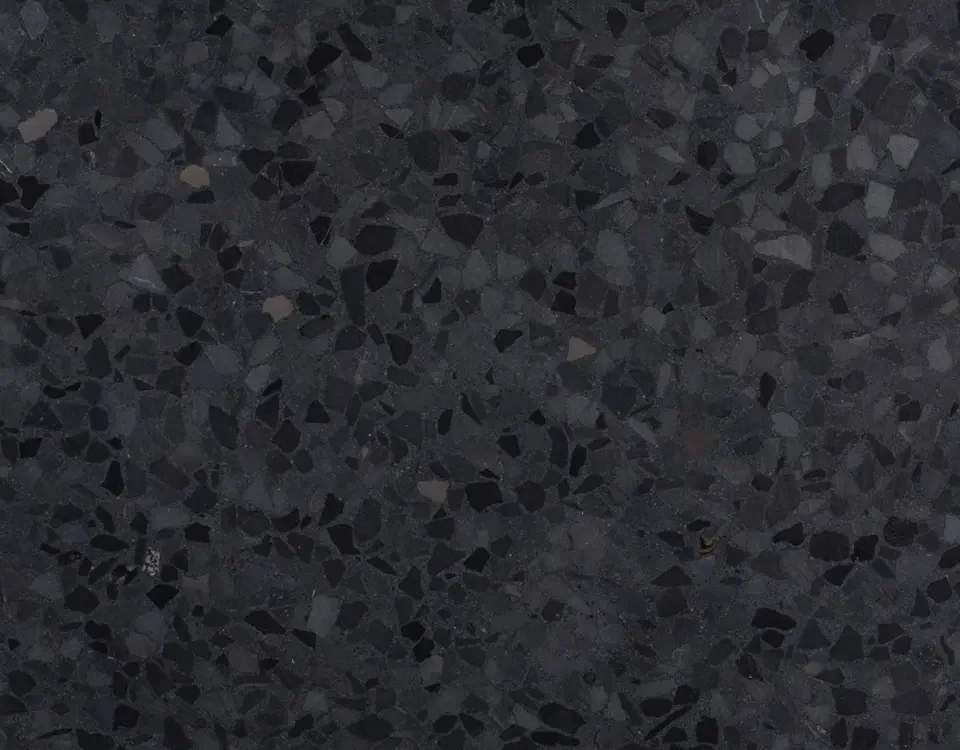
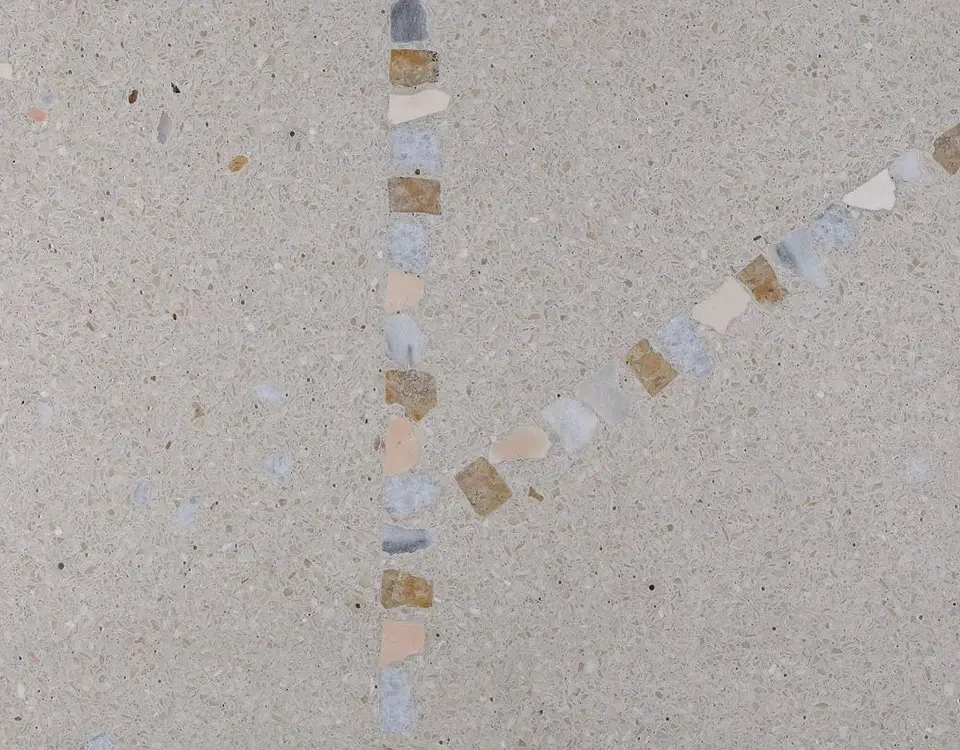
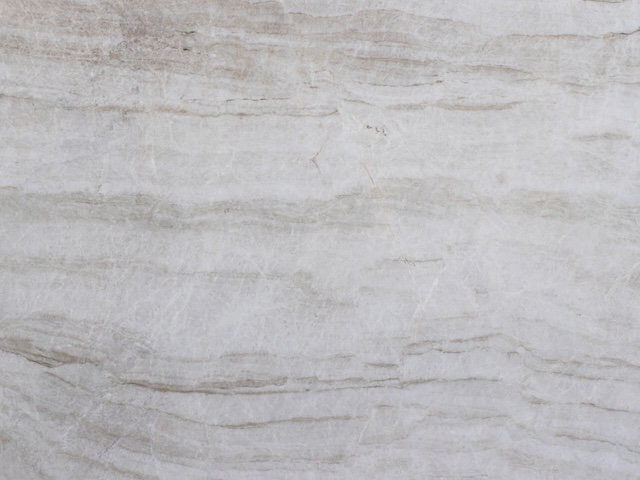
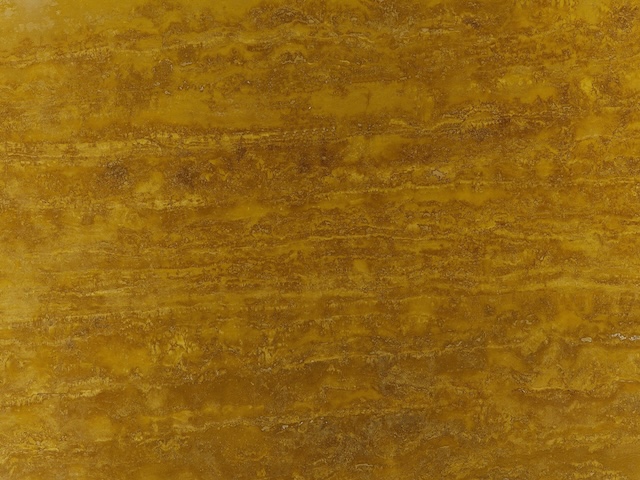
Make room for imagination. The choice of Marbles, Granites and Onyx sourced from all over the world knows no bounds.
Innovation and tradition
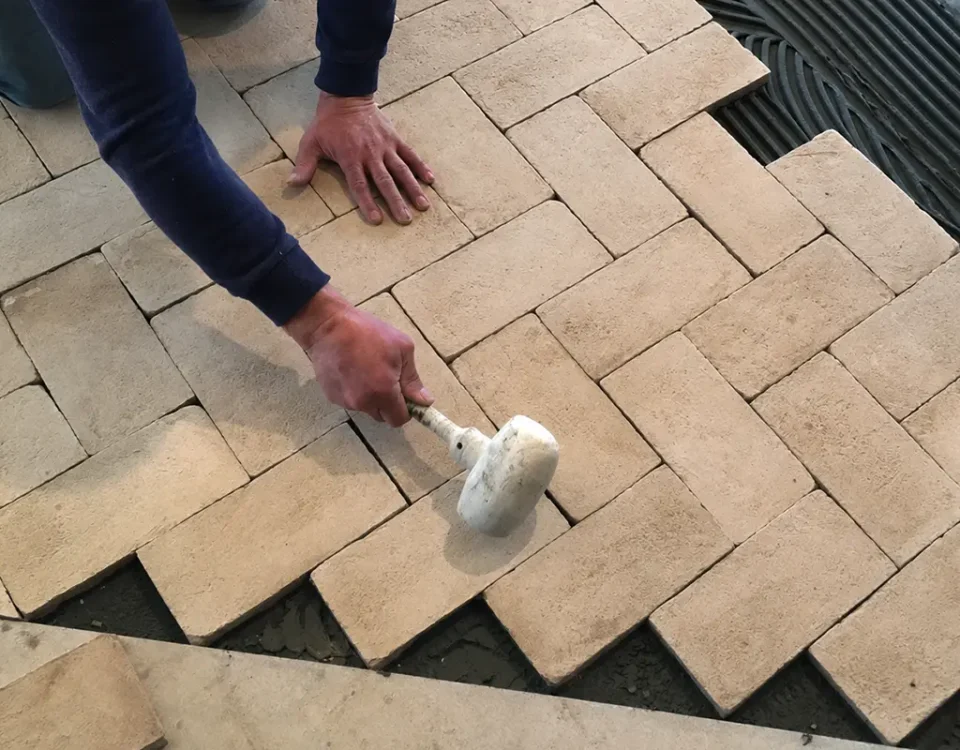
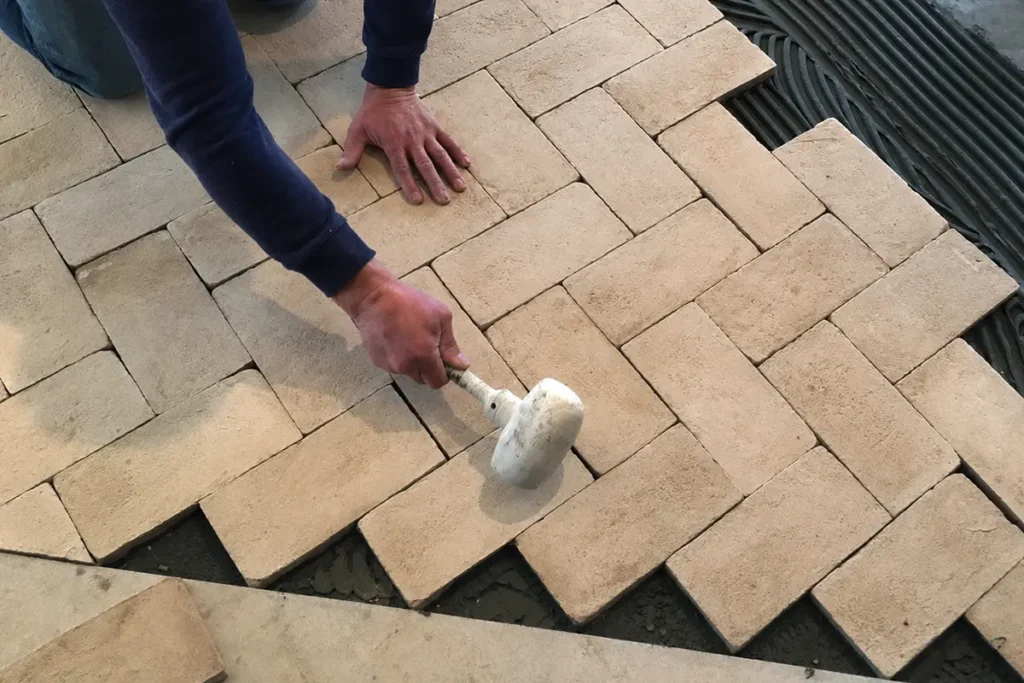
Craftsmanship combined with cutting-edge technological processes to deliver consistently outstanding products.
Ricerca
Sempre alla scoperta di nuovi materiali e finiture di design per creare progetti unici ed esclusivi.
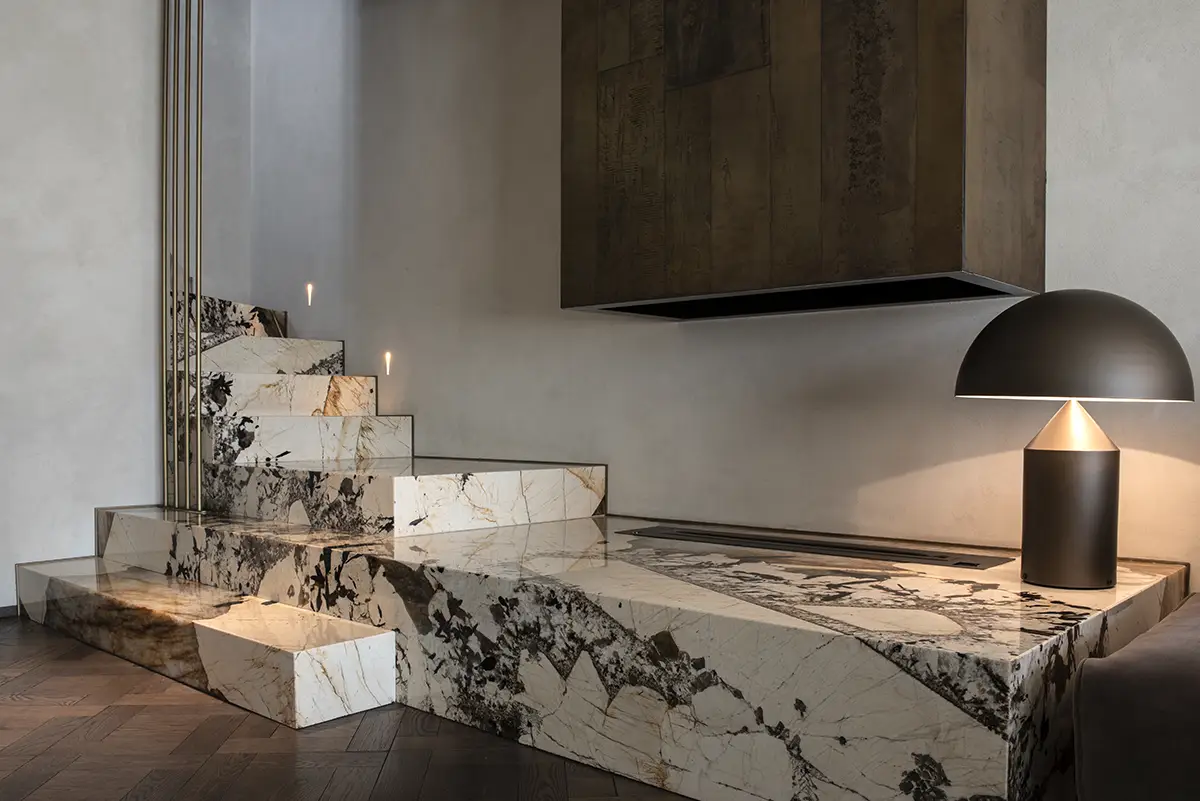
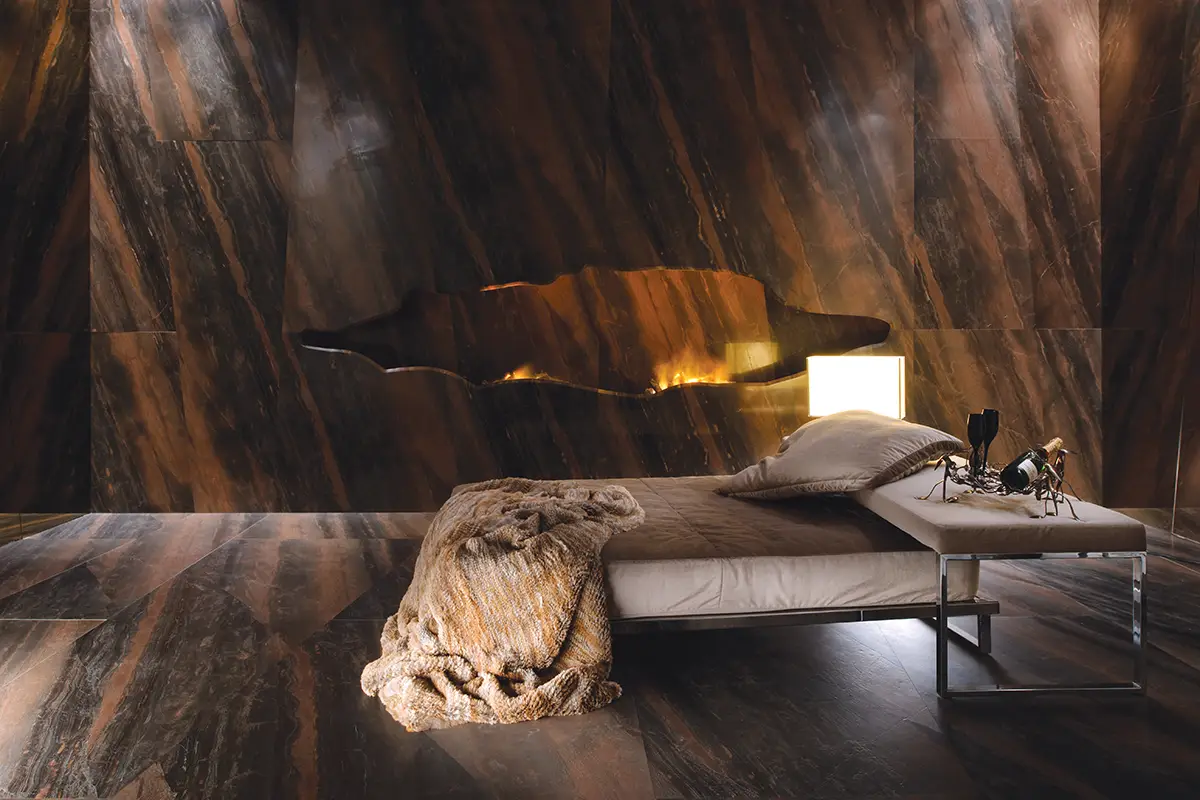
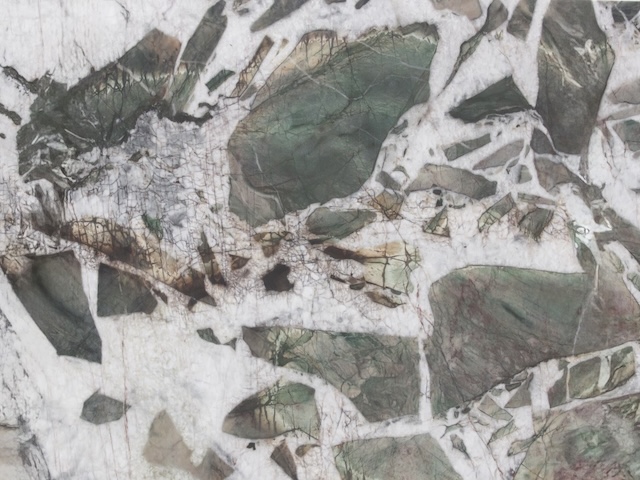
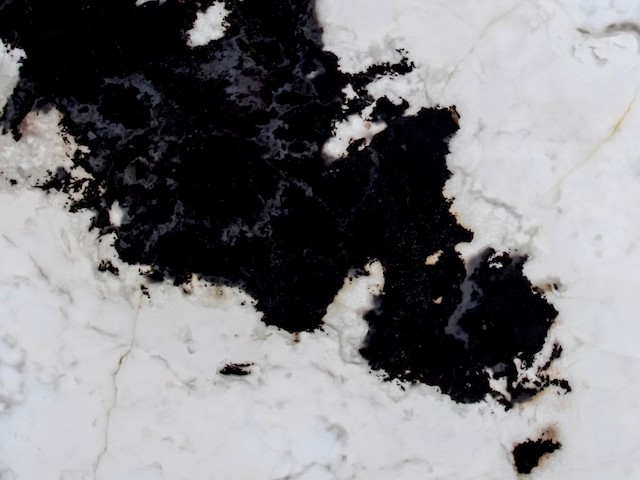
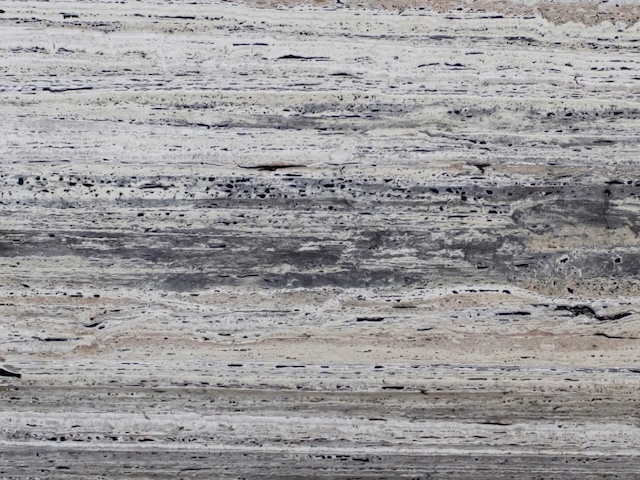
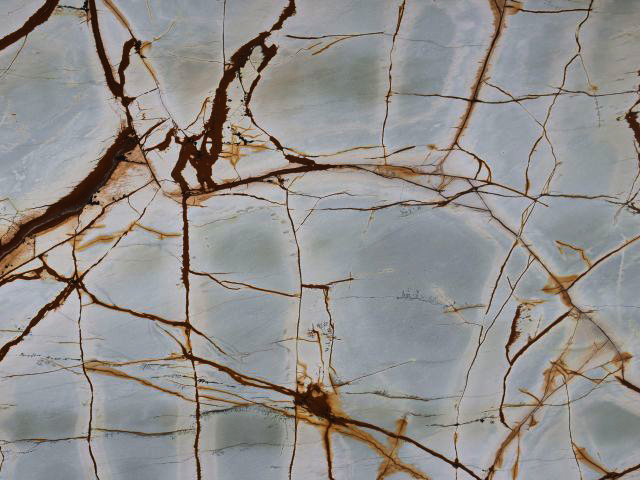
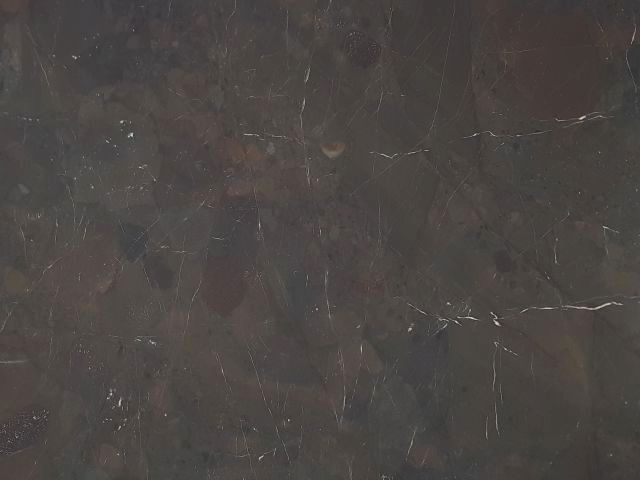
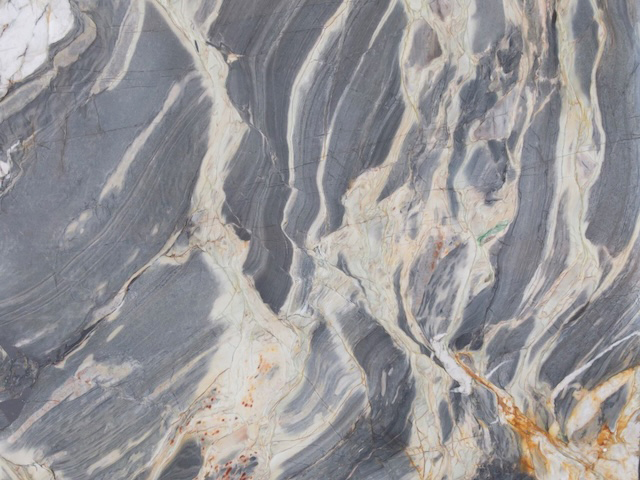
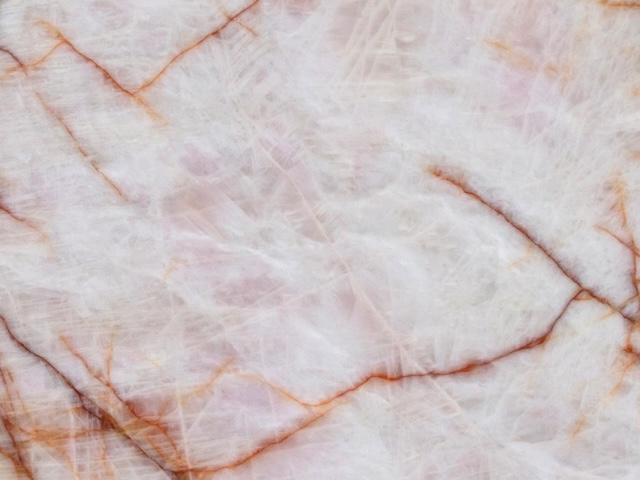
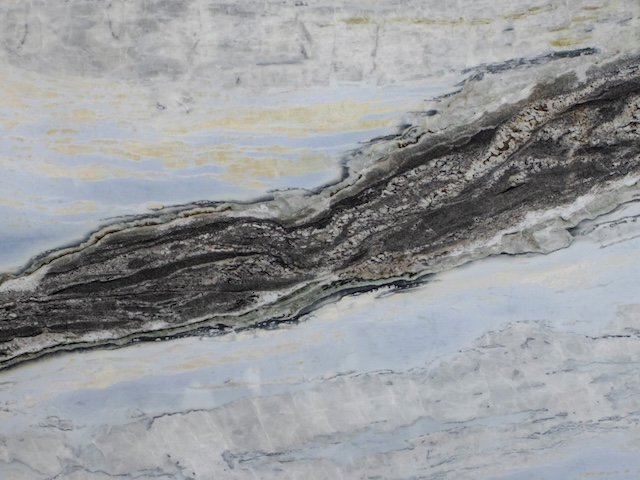
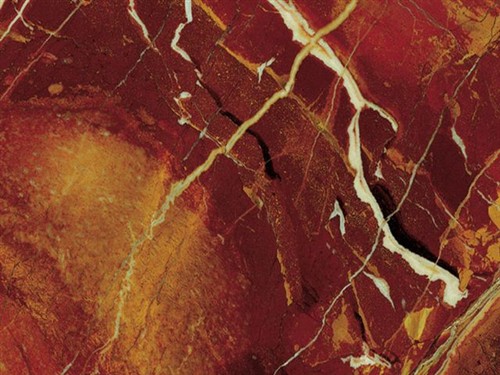
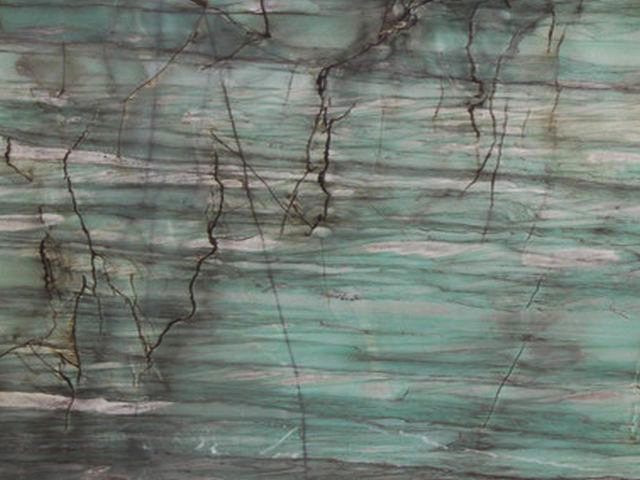
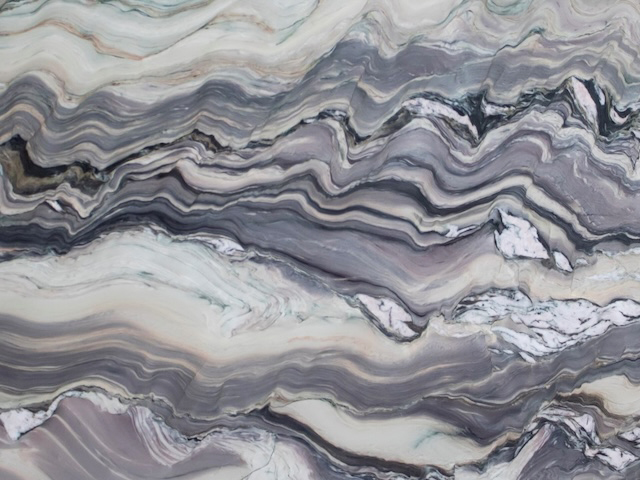
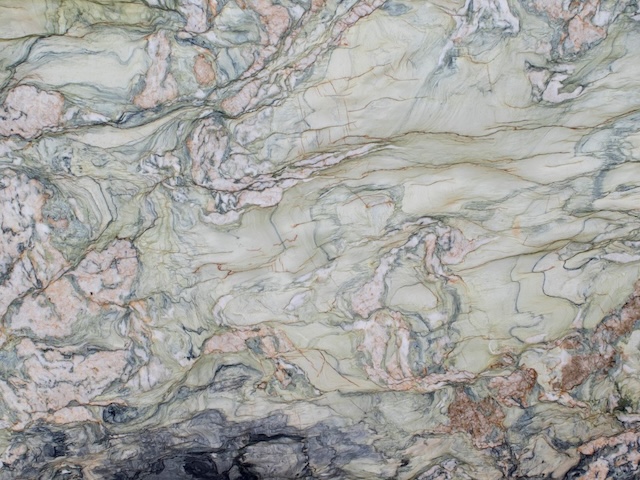
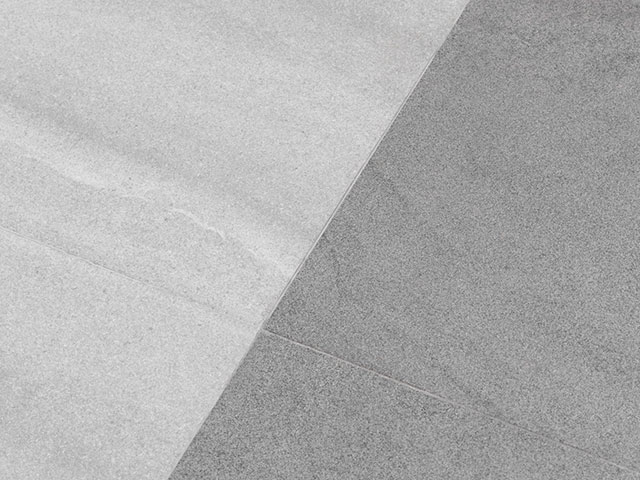
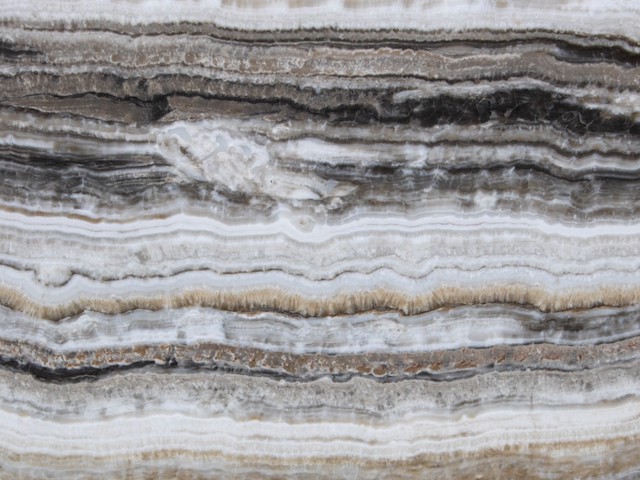
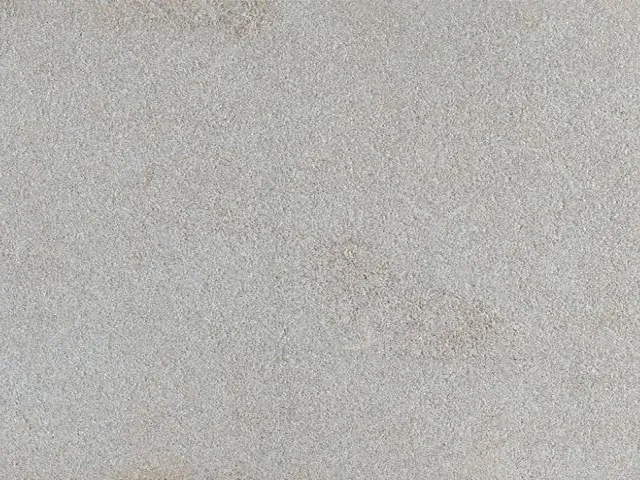
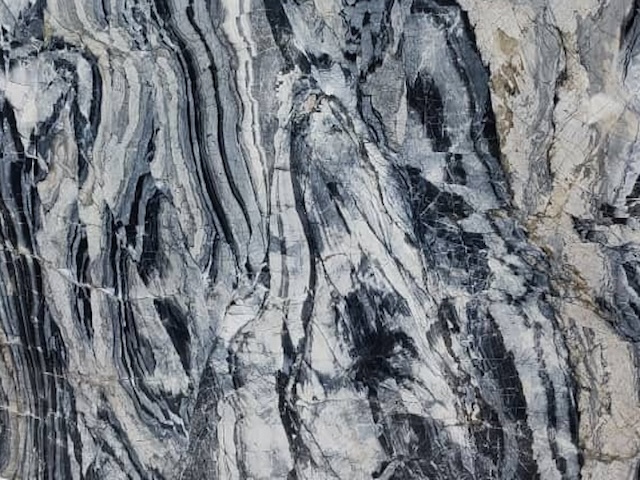
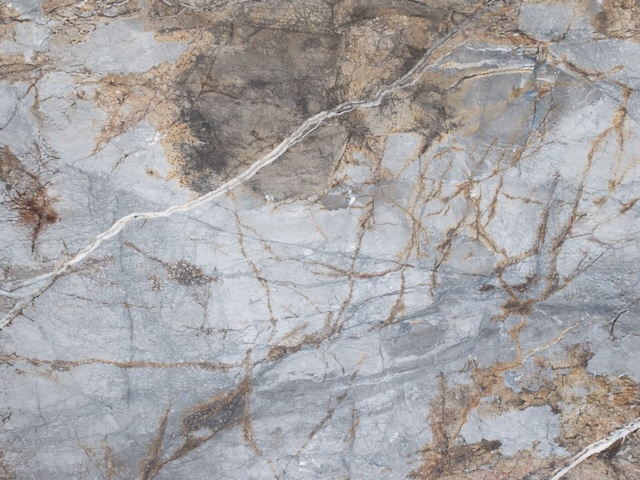
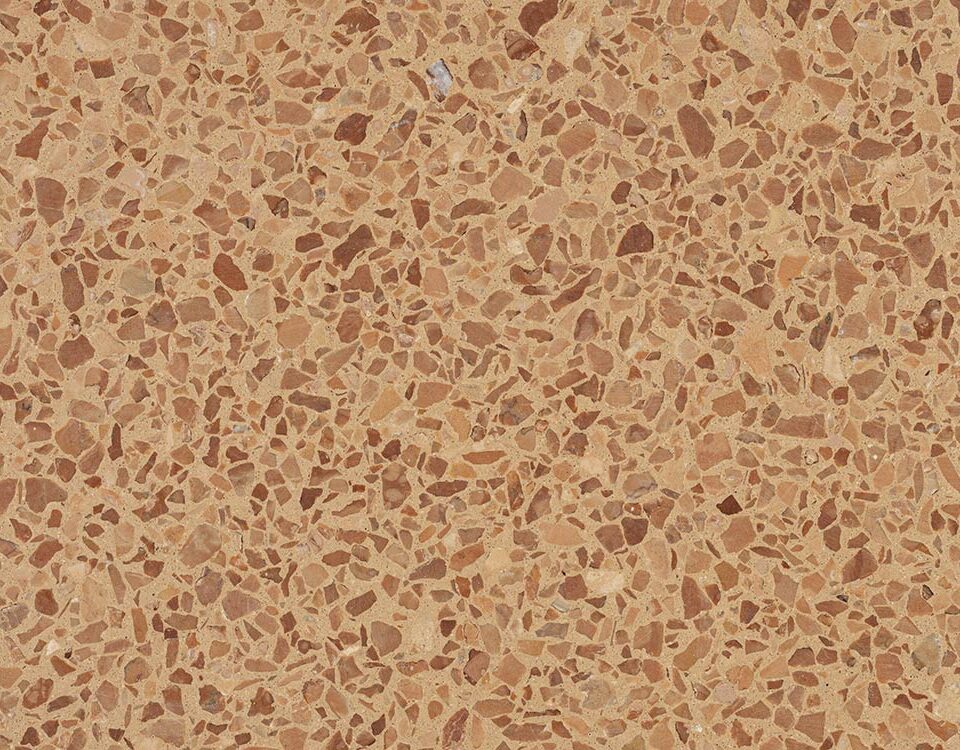
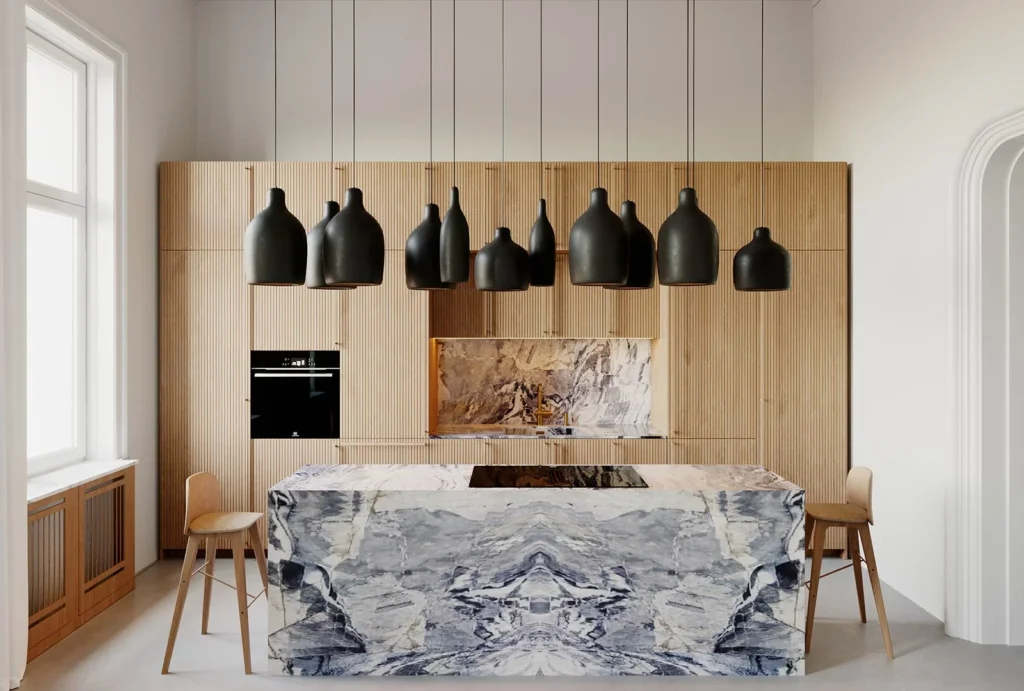
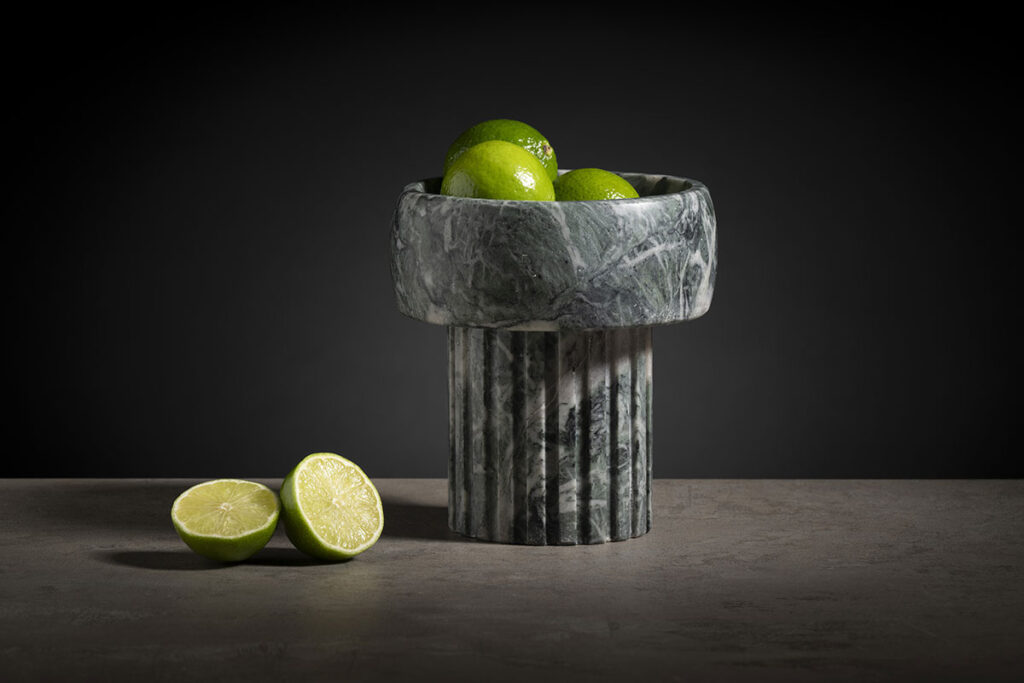
Marble and granites are fragments of nature sculpted by time.
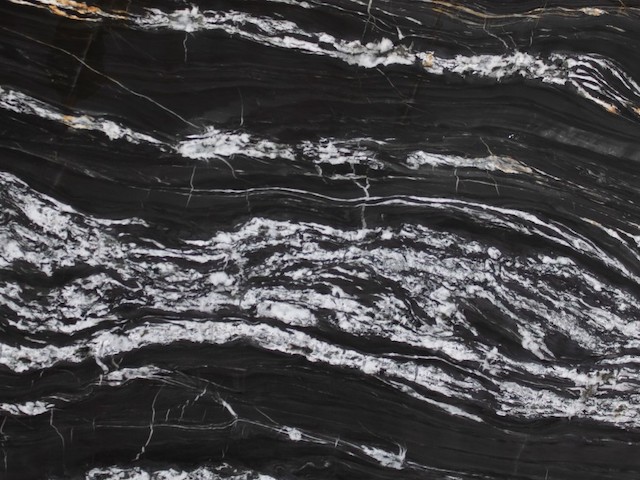
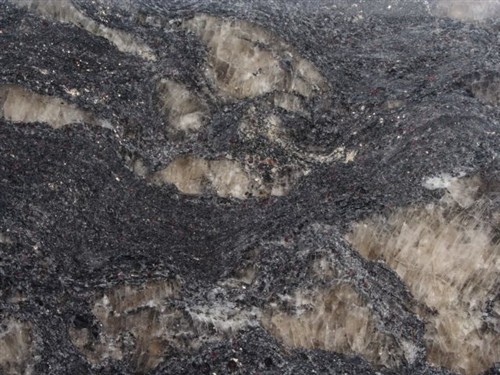
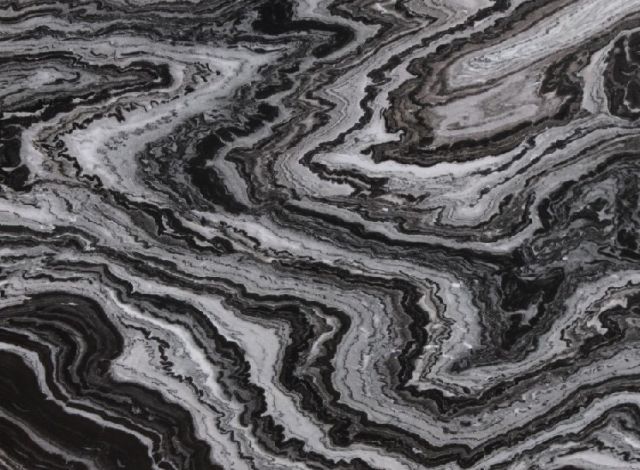
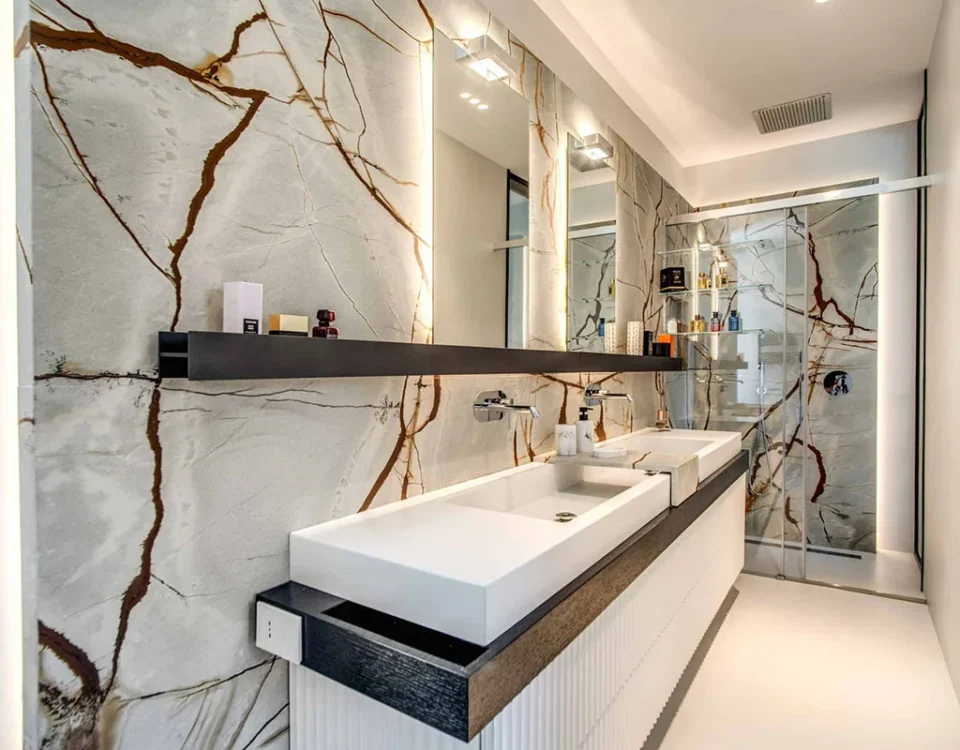
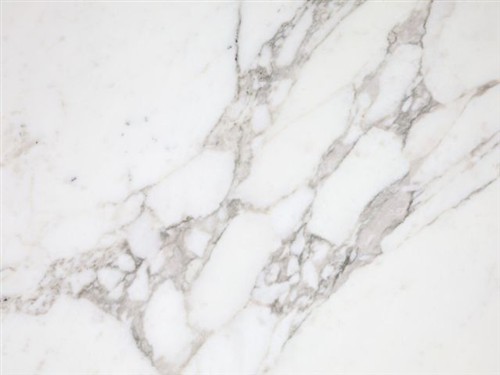
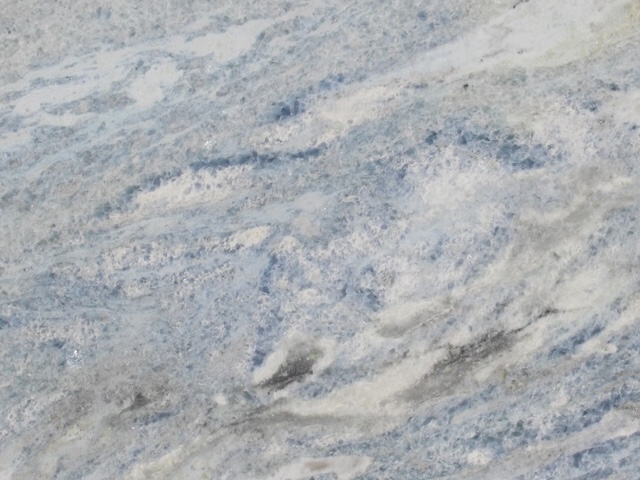
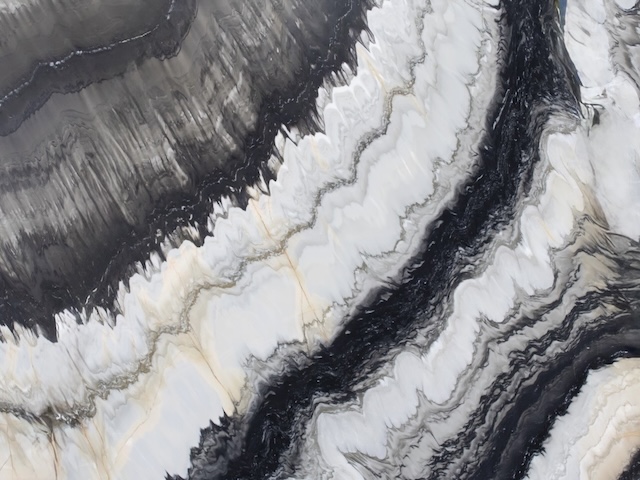
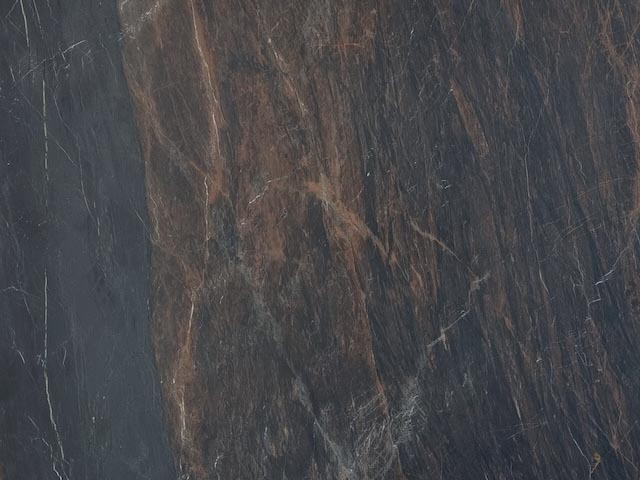
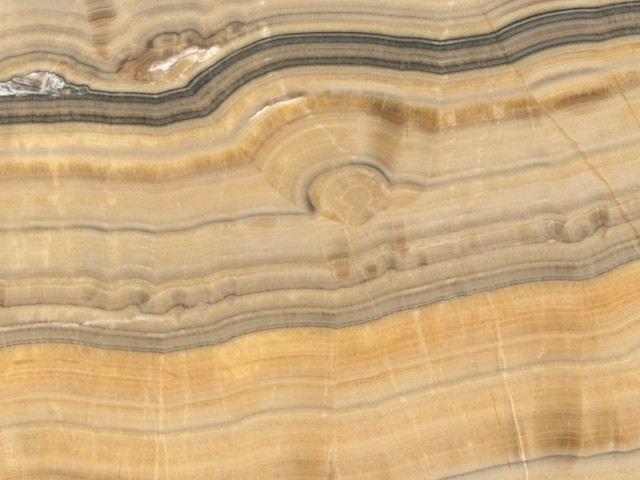
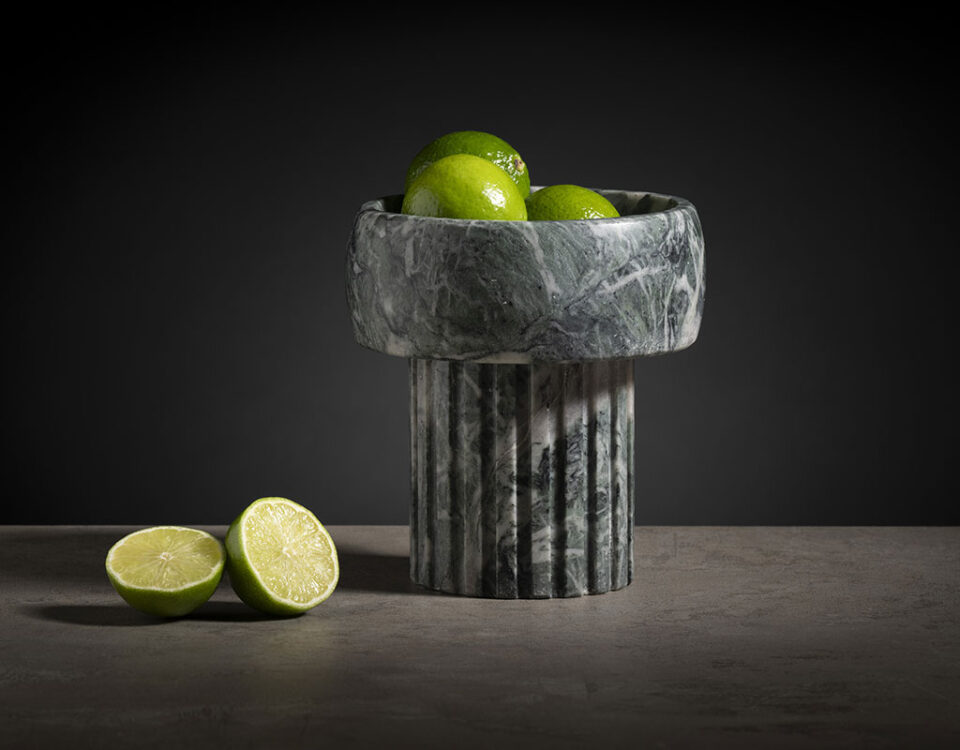
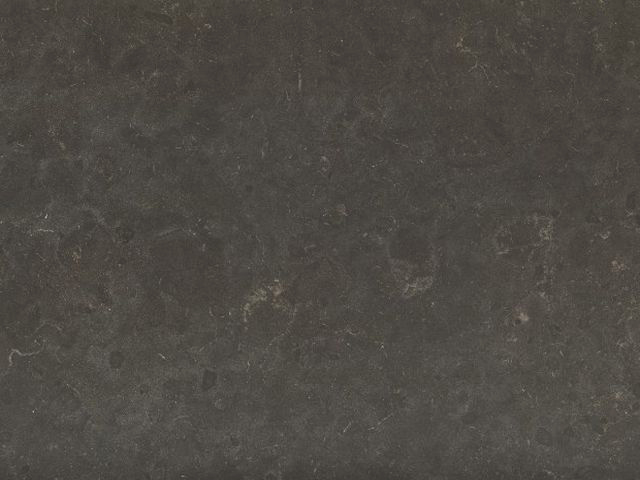
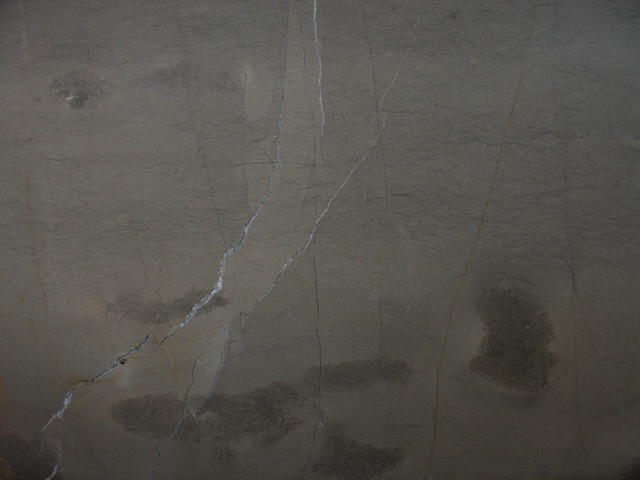
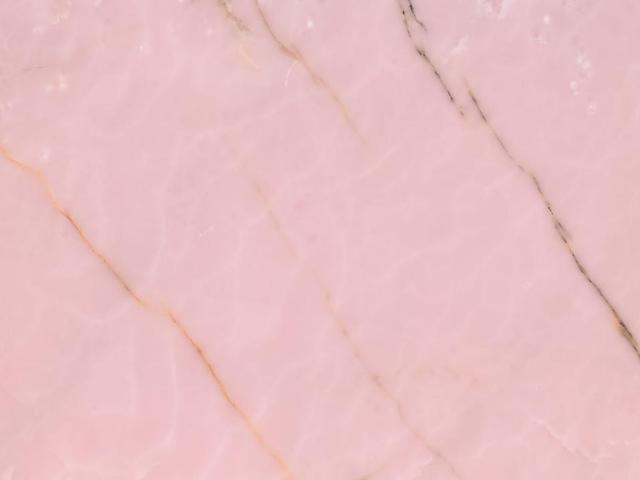
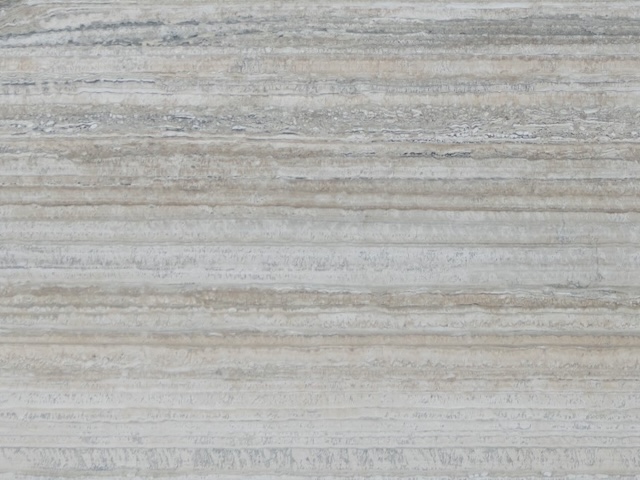
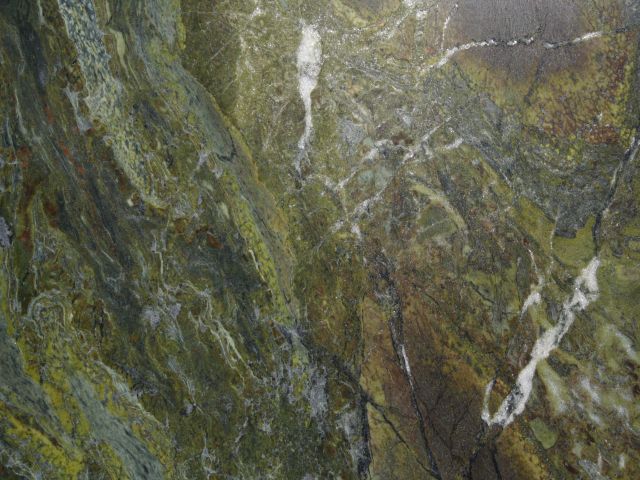
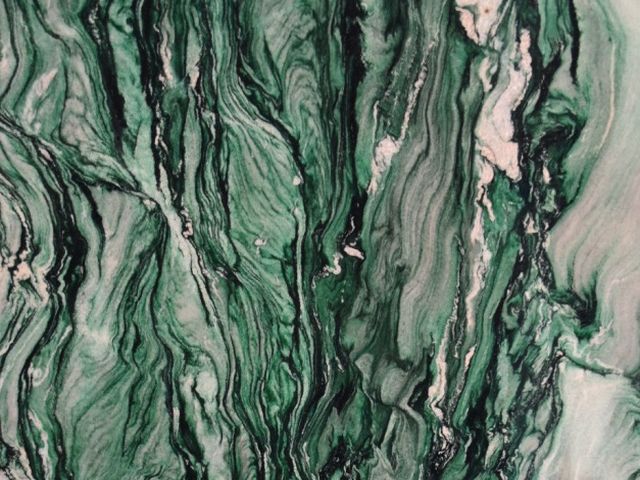
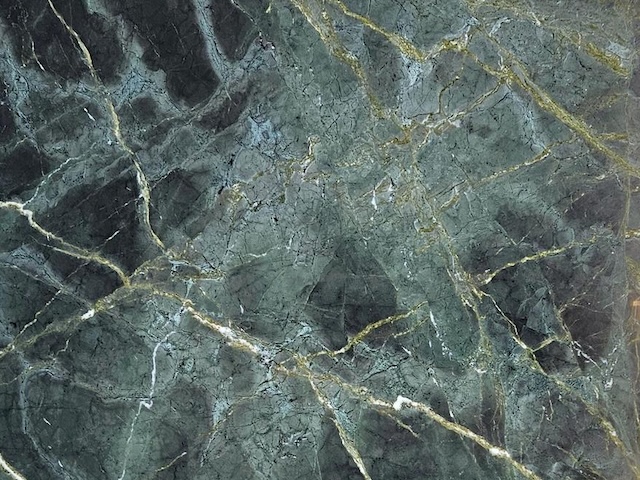
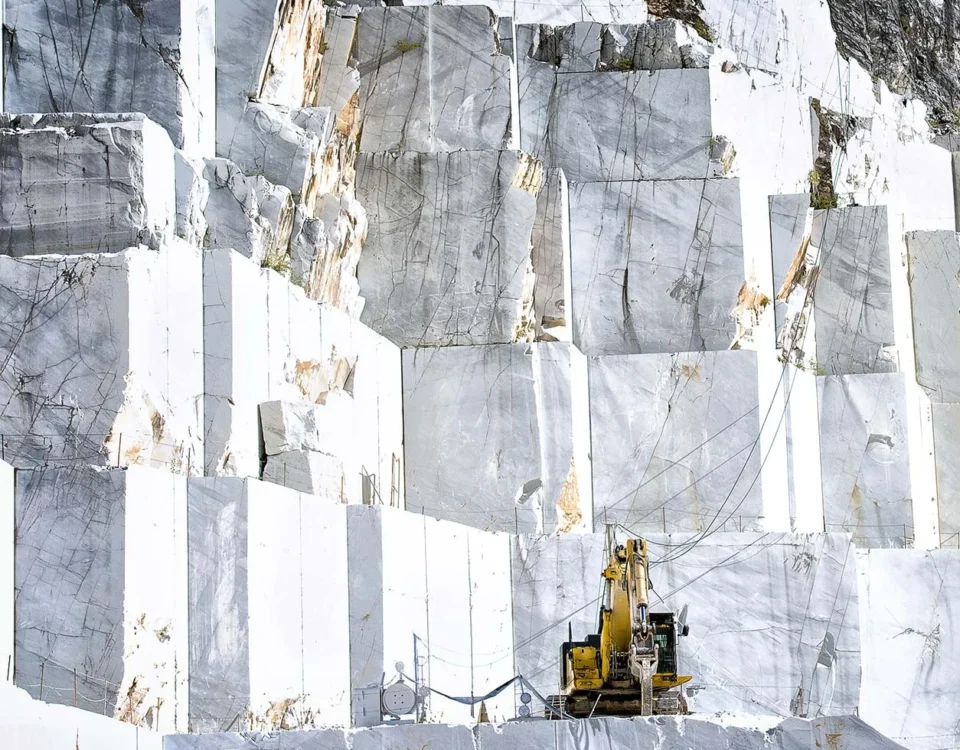
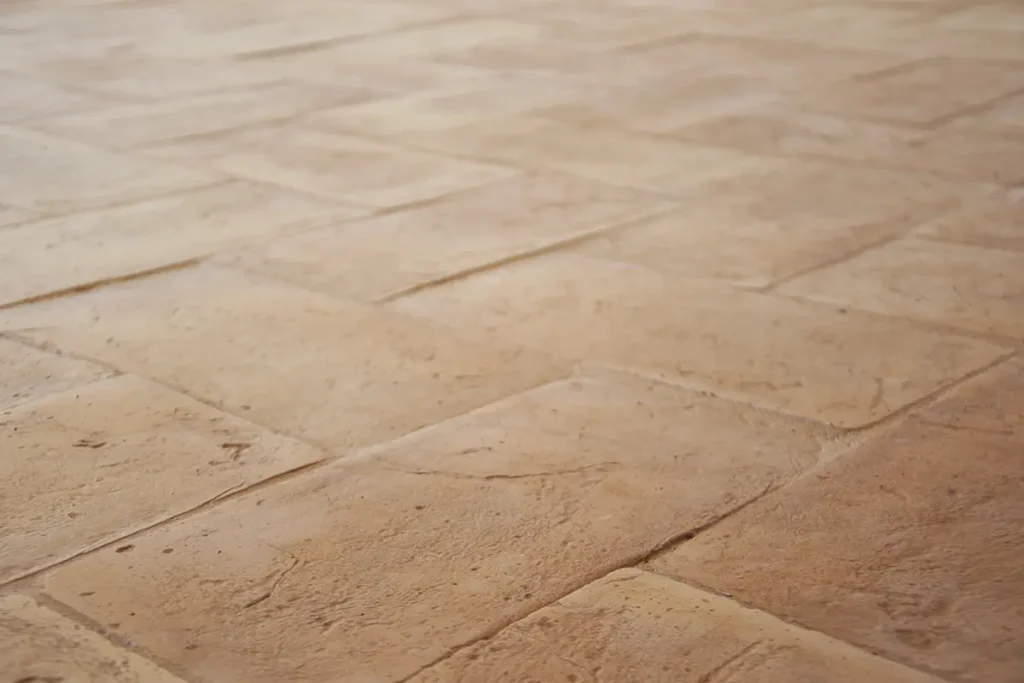
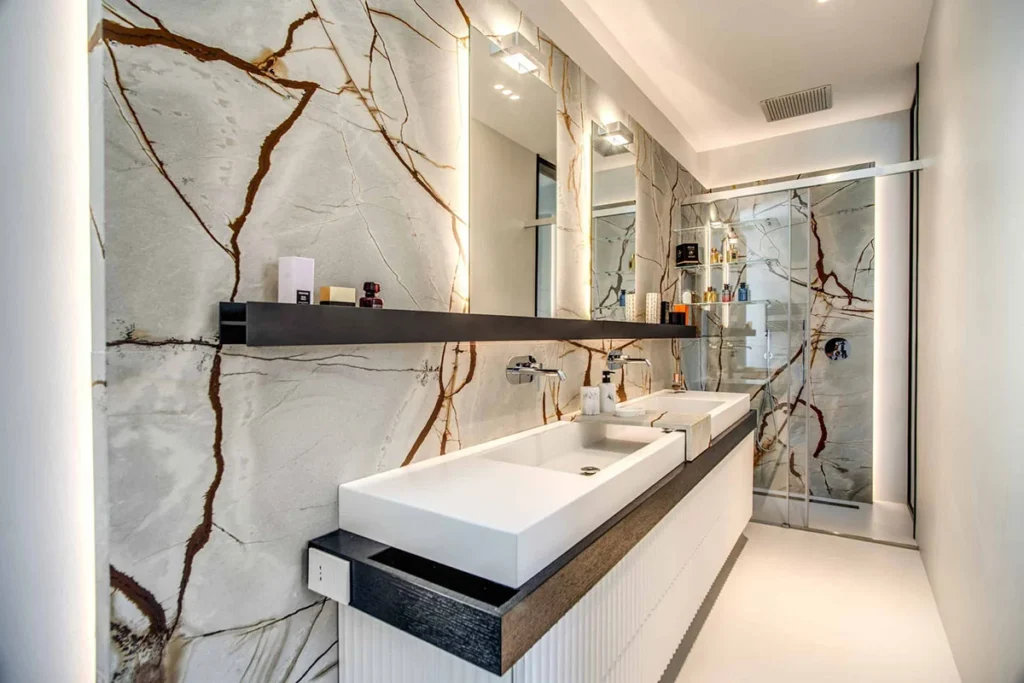
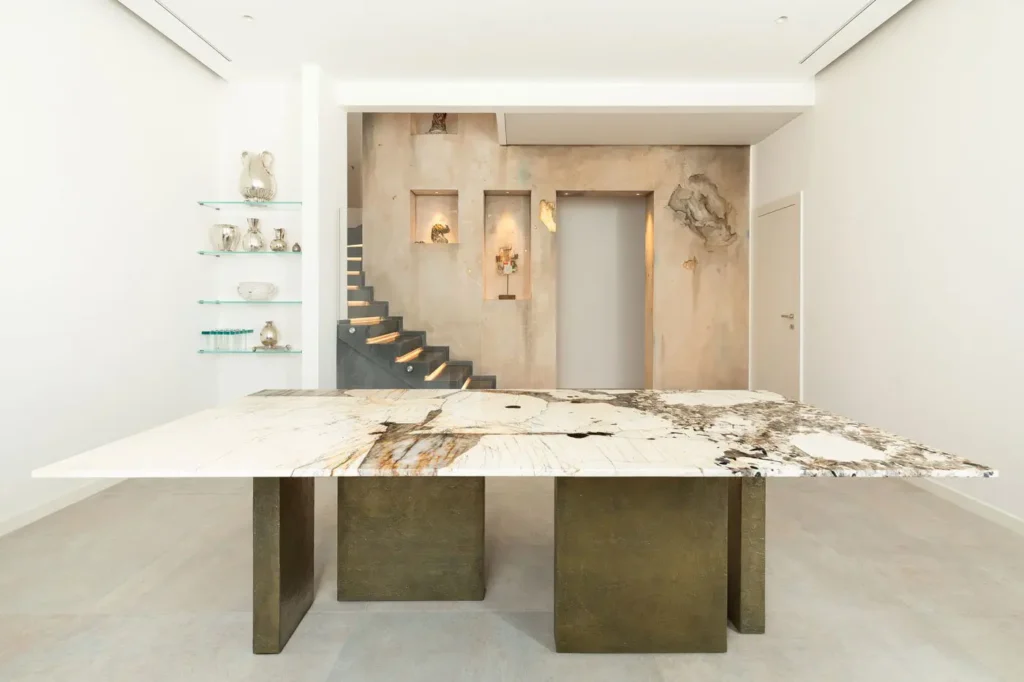
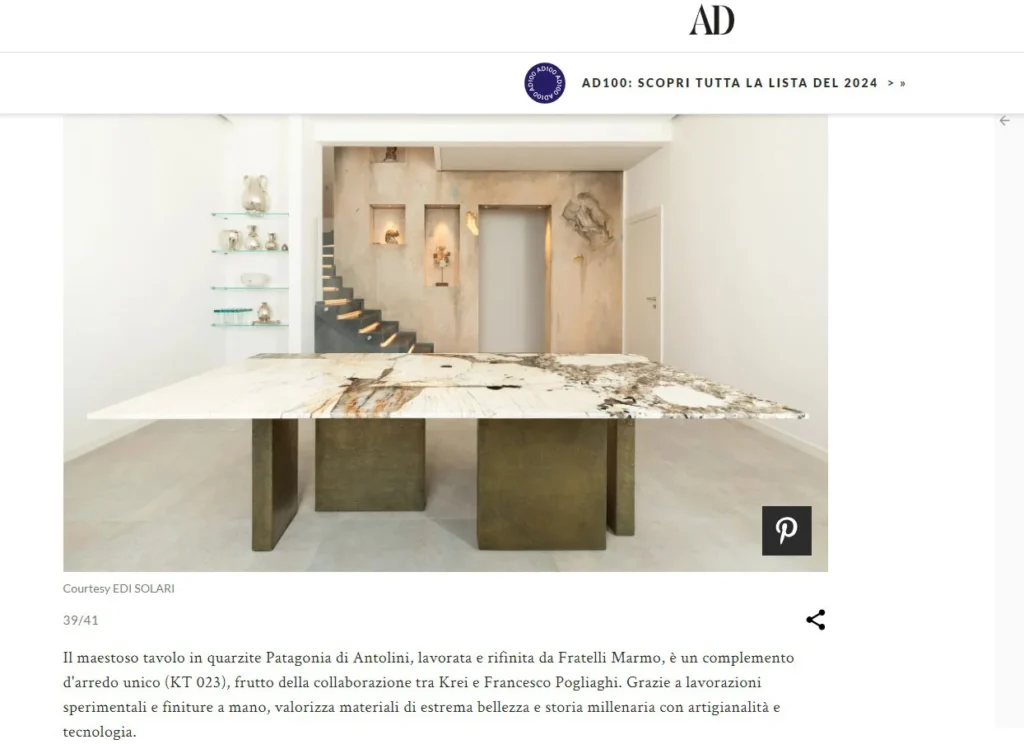
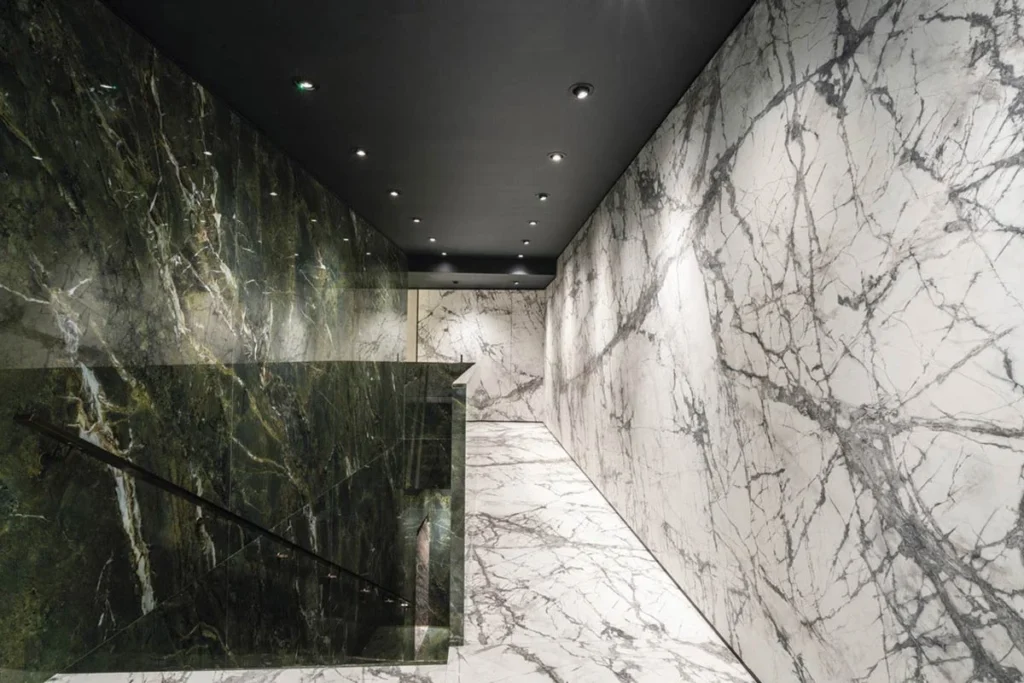
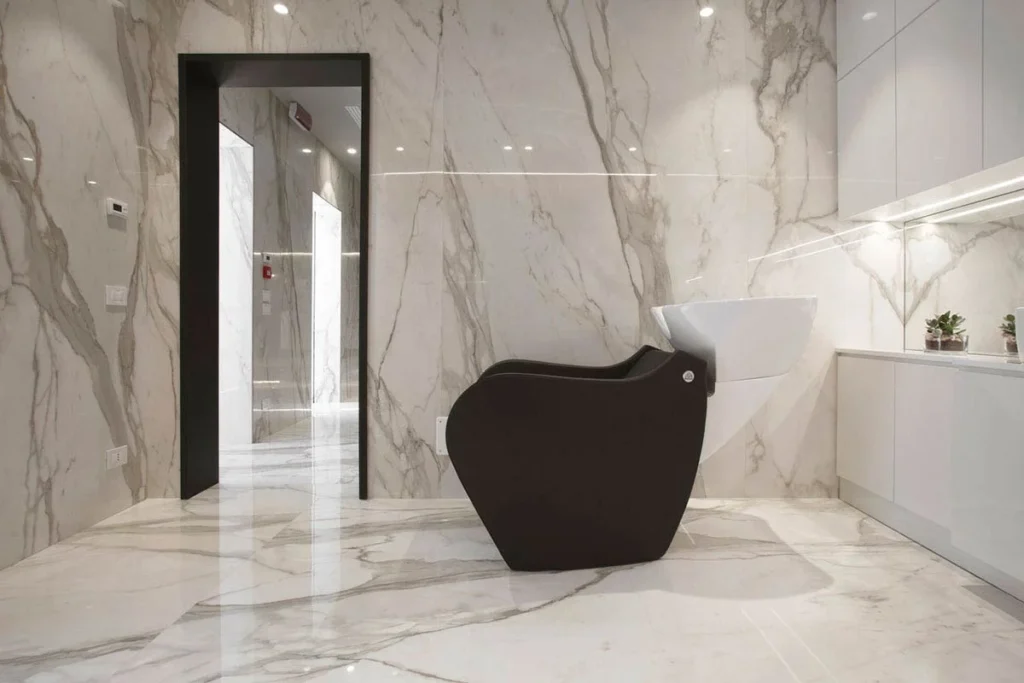
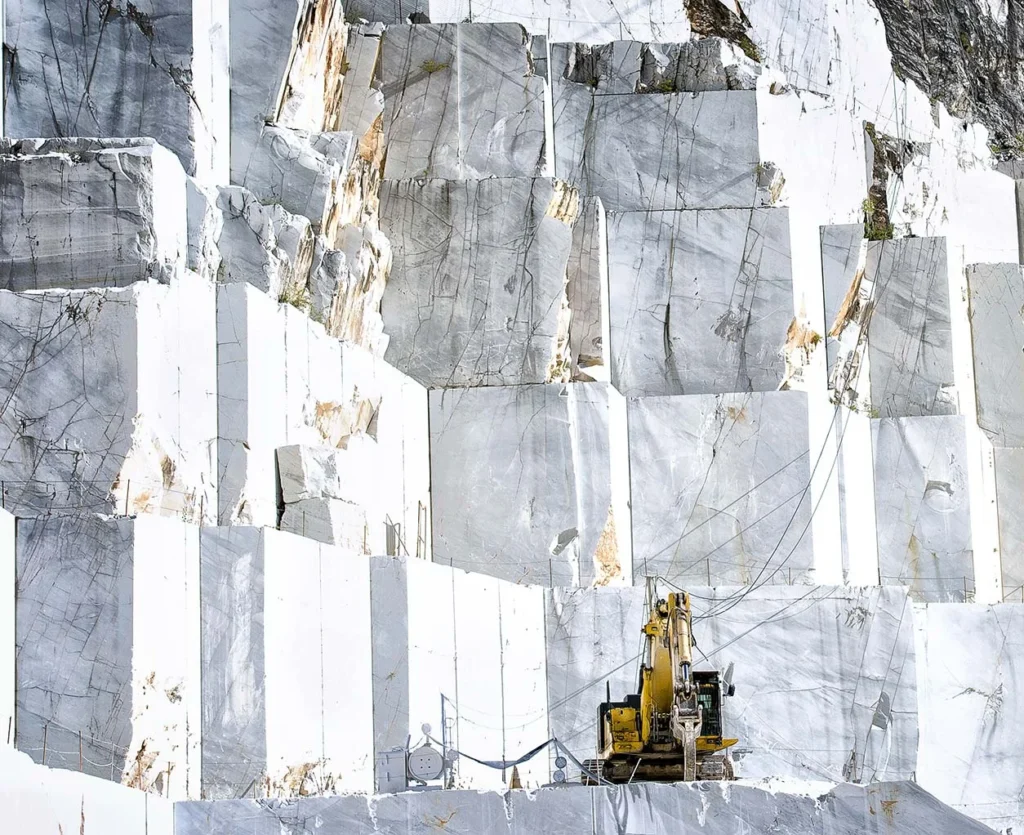
Every vein tells a story thousands of years in the making, a unique imprint left by the silent passage of natural forces. Selected from the world’s most renowned quarries - in Carrara, Iran, and Brazil - these materials become architecture, transforming spaces into expressions of authentic, timeless beauty.
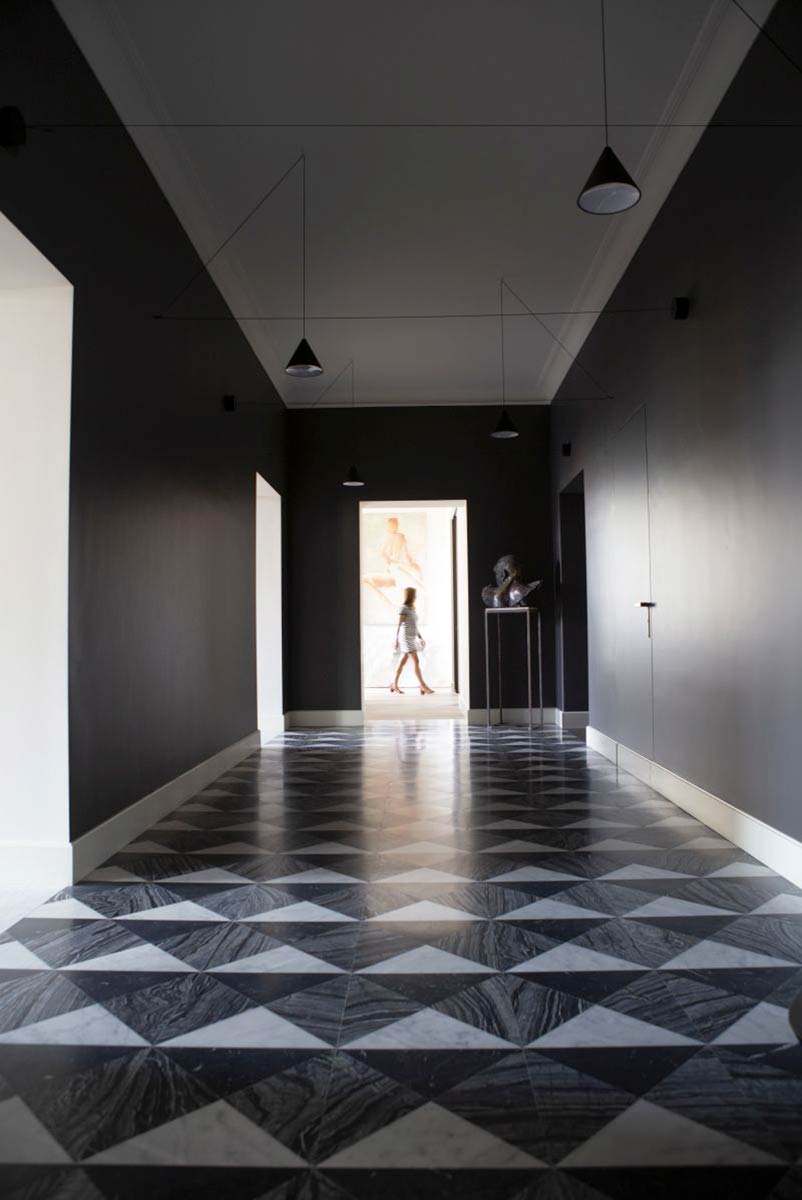
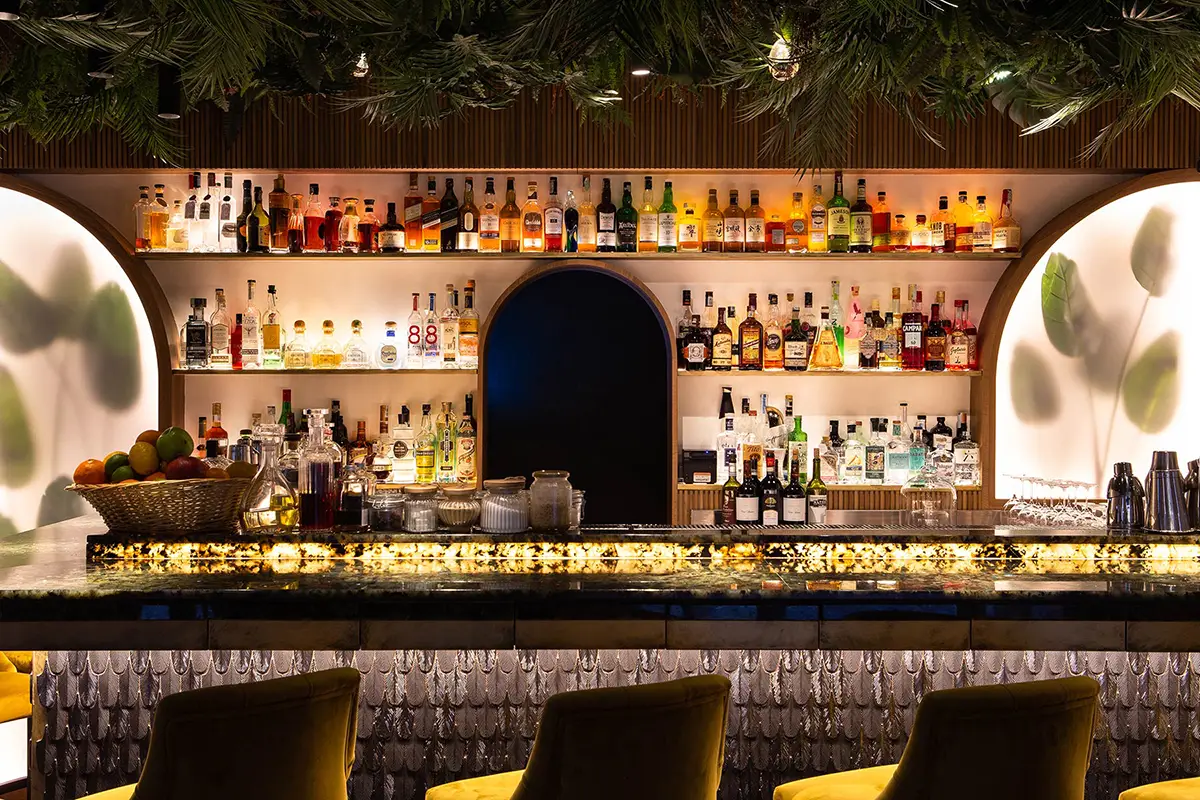
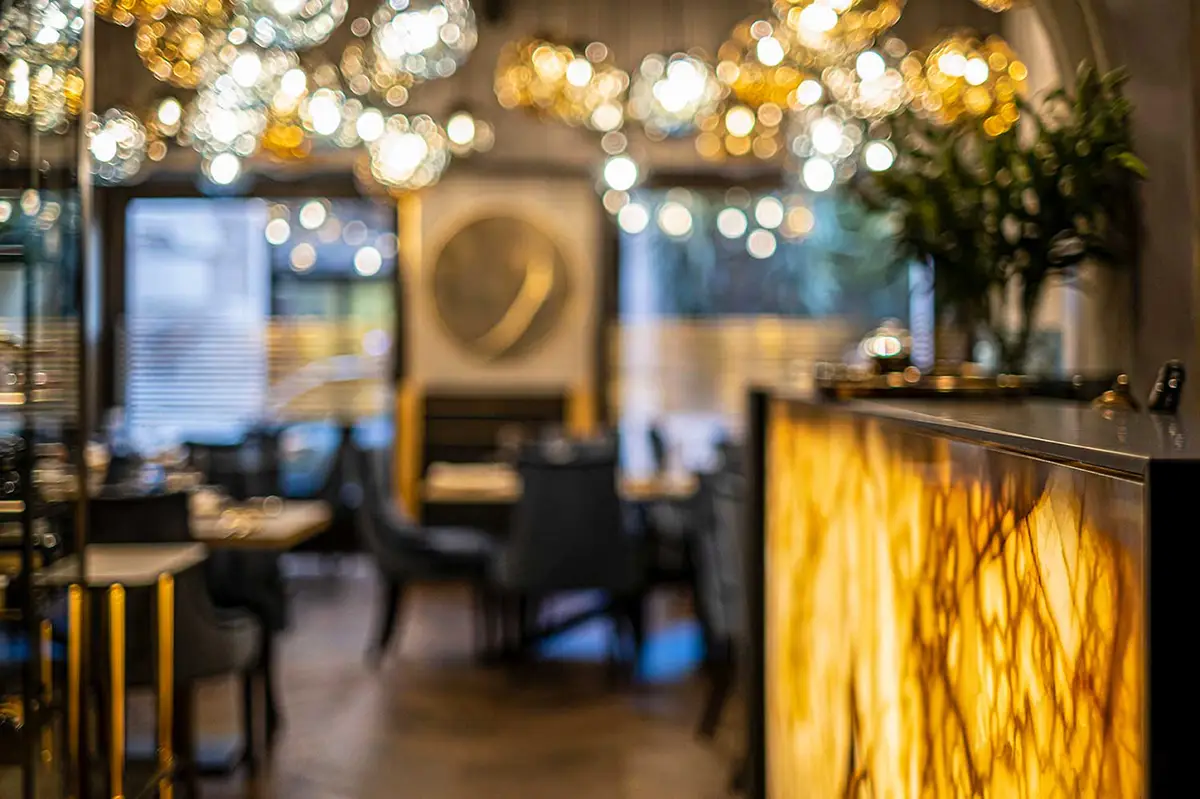
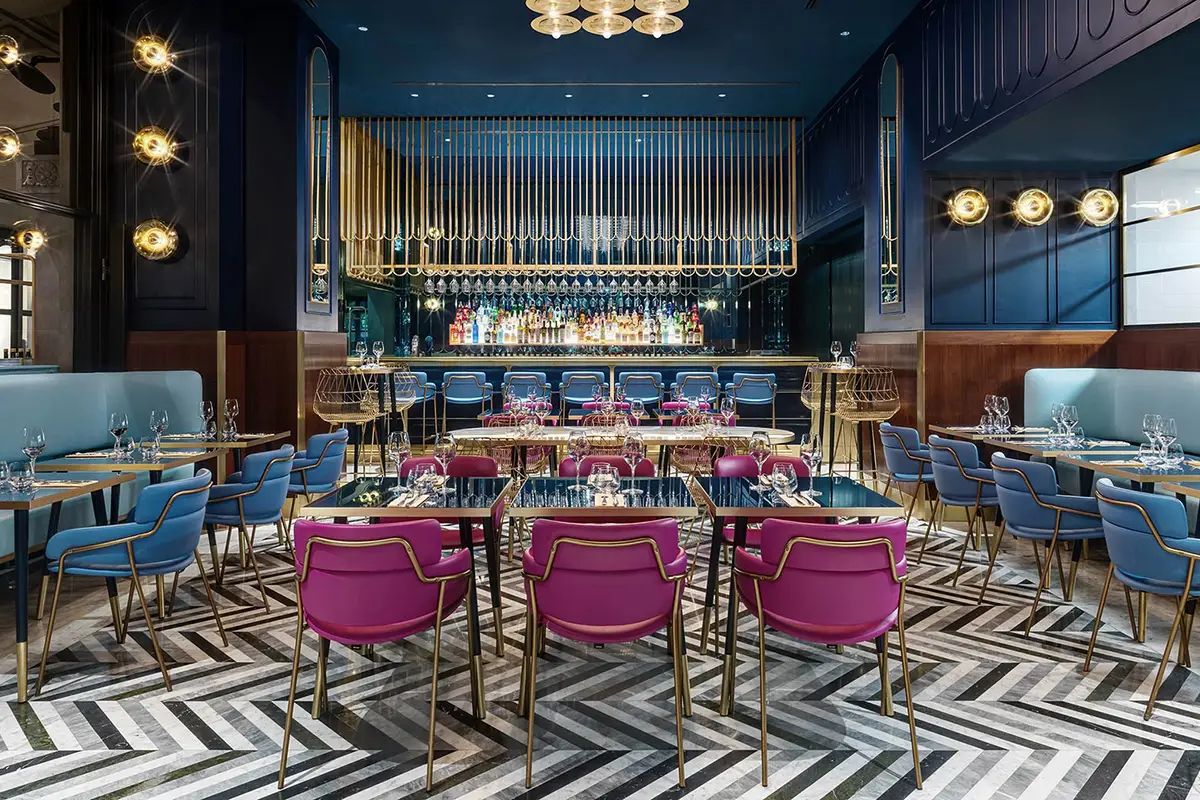
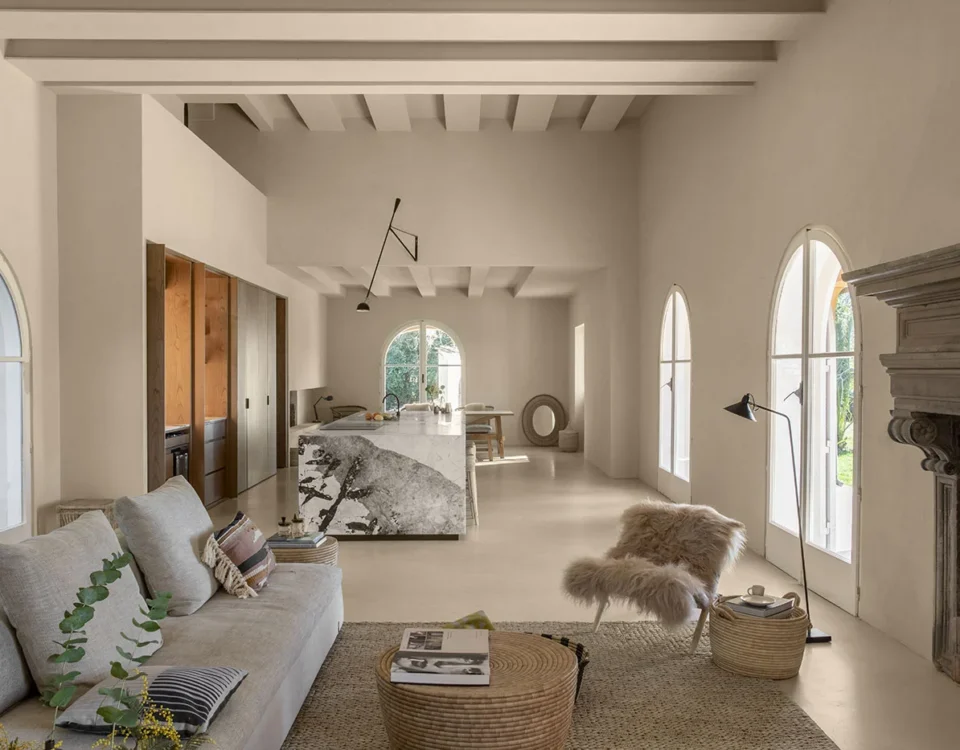
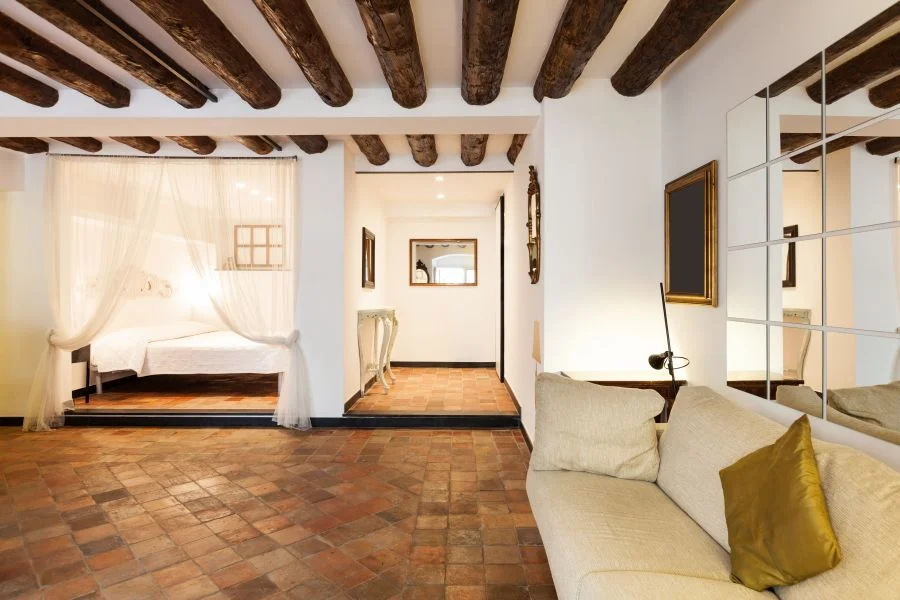
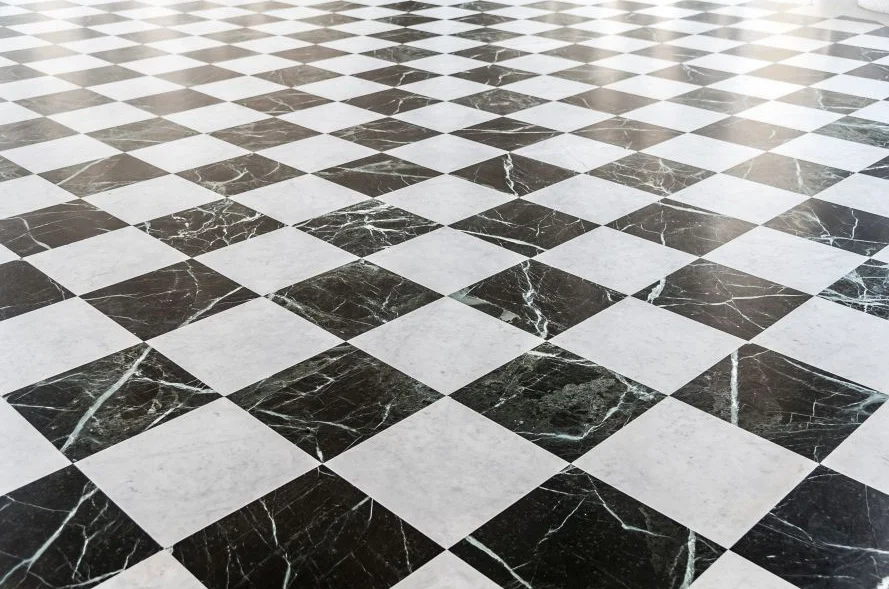
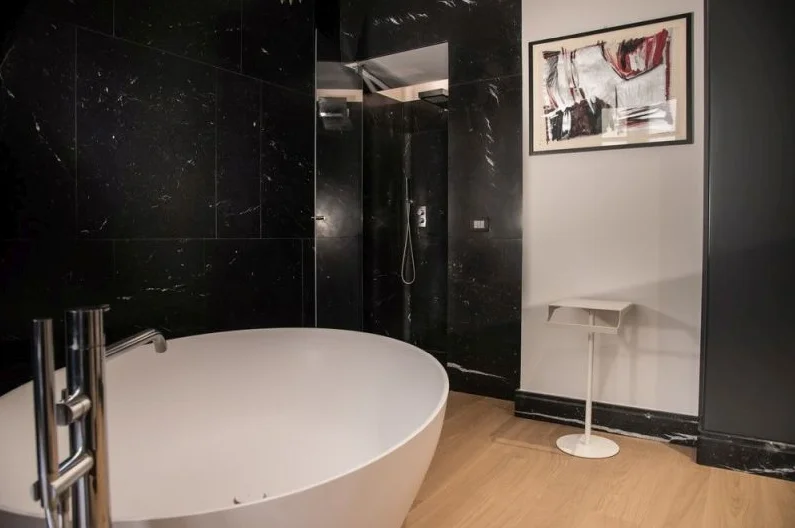
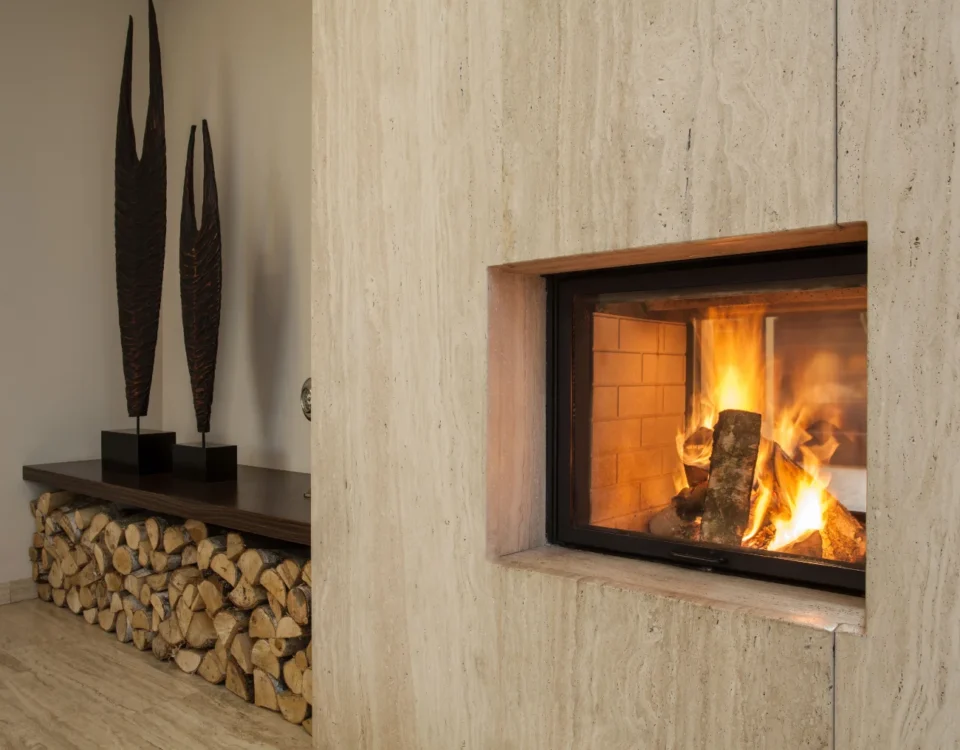
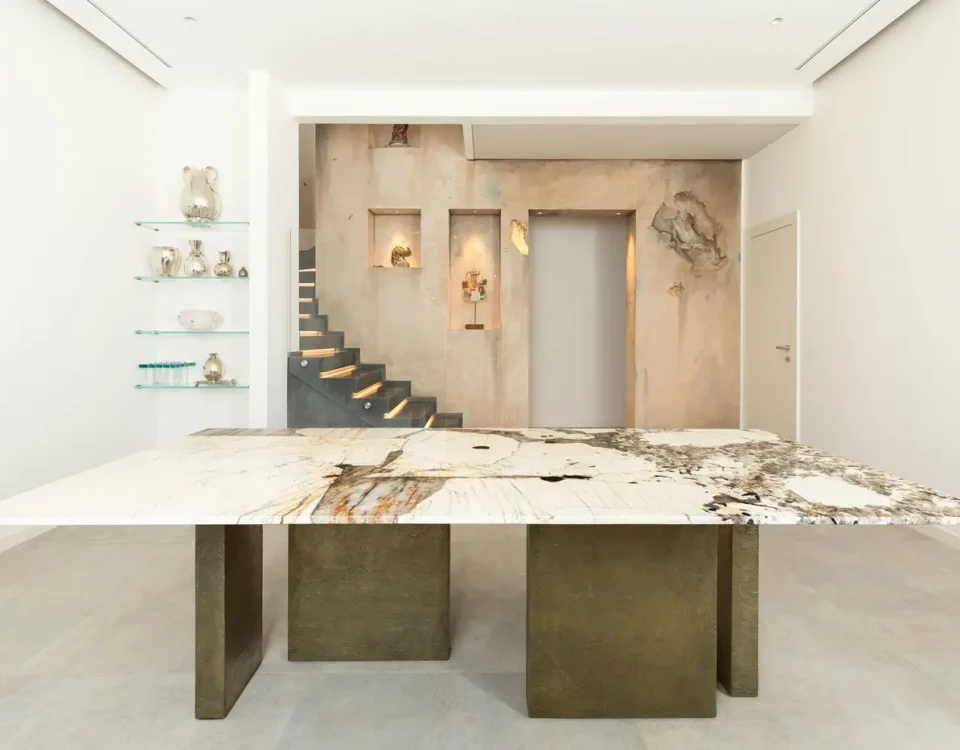
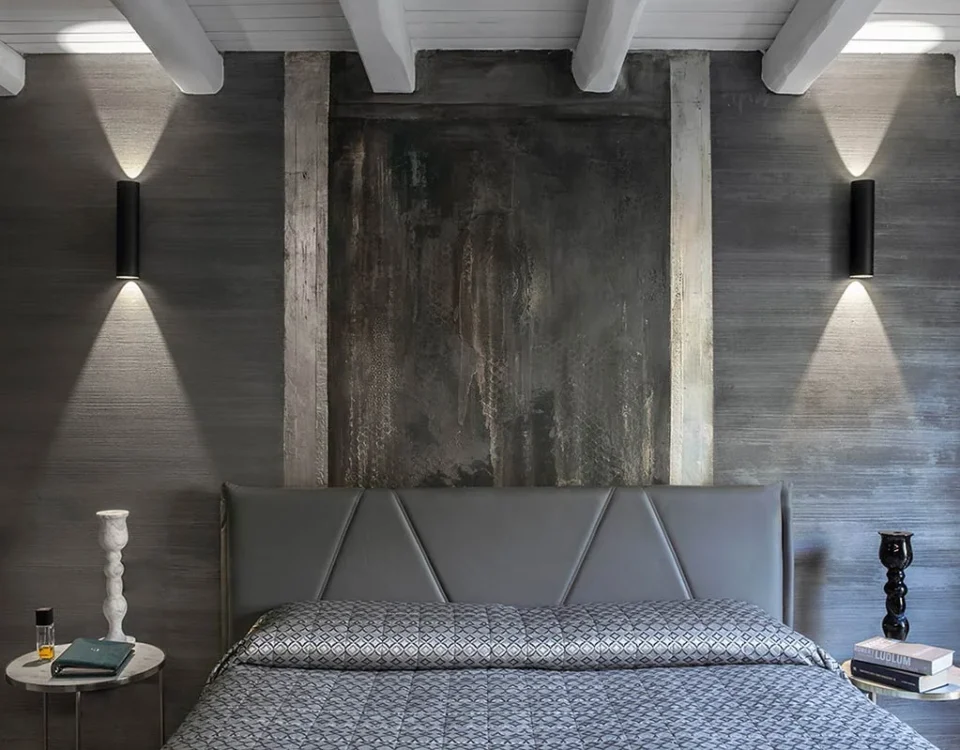
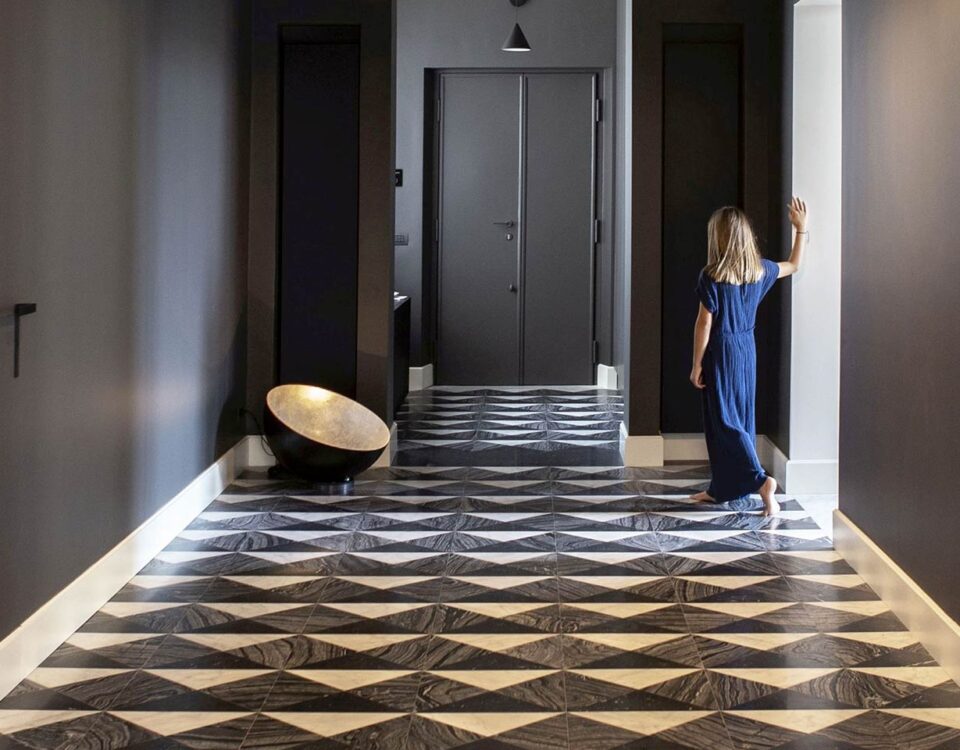
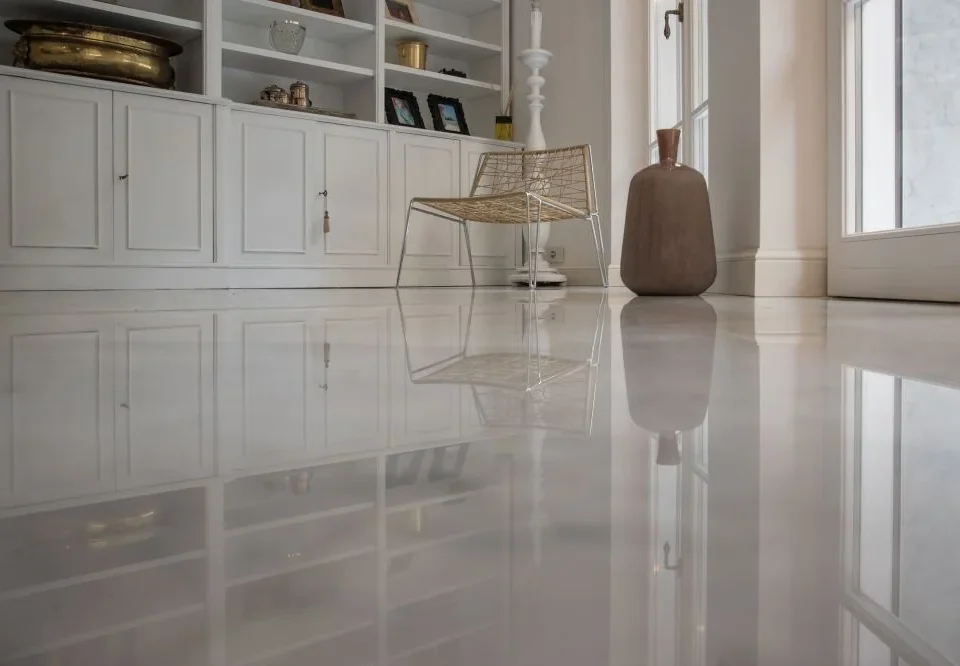
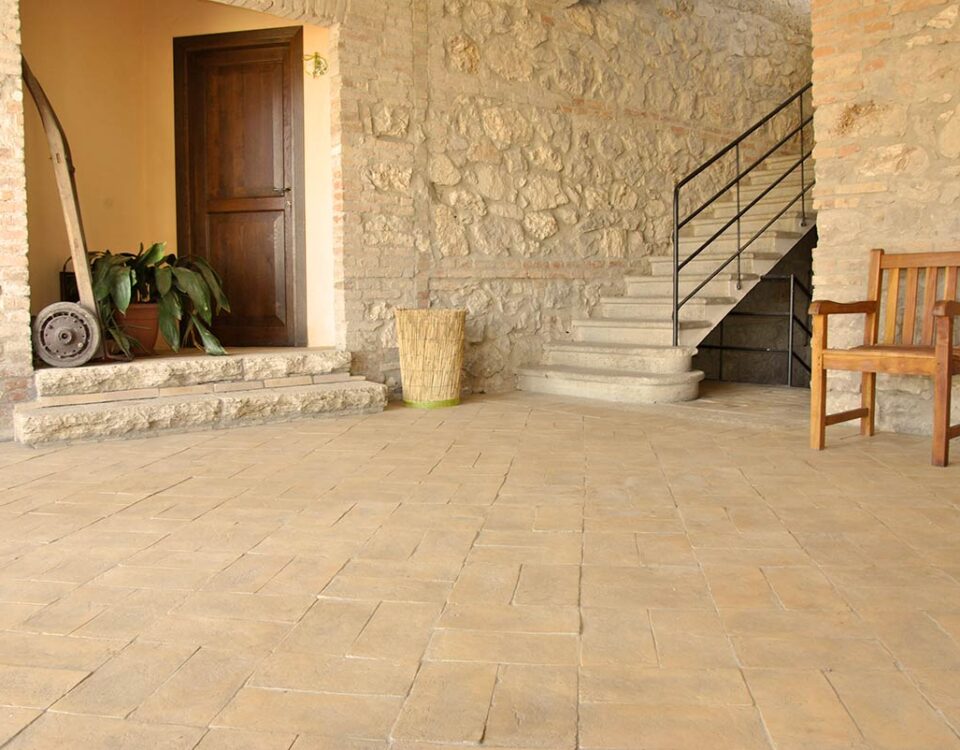
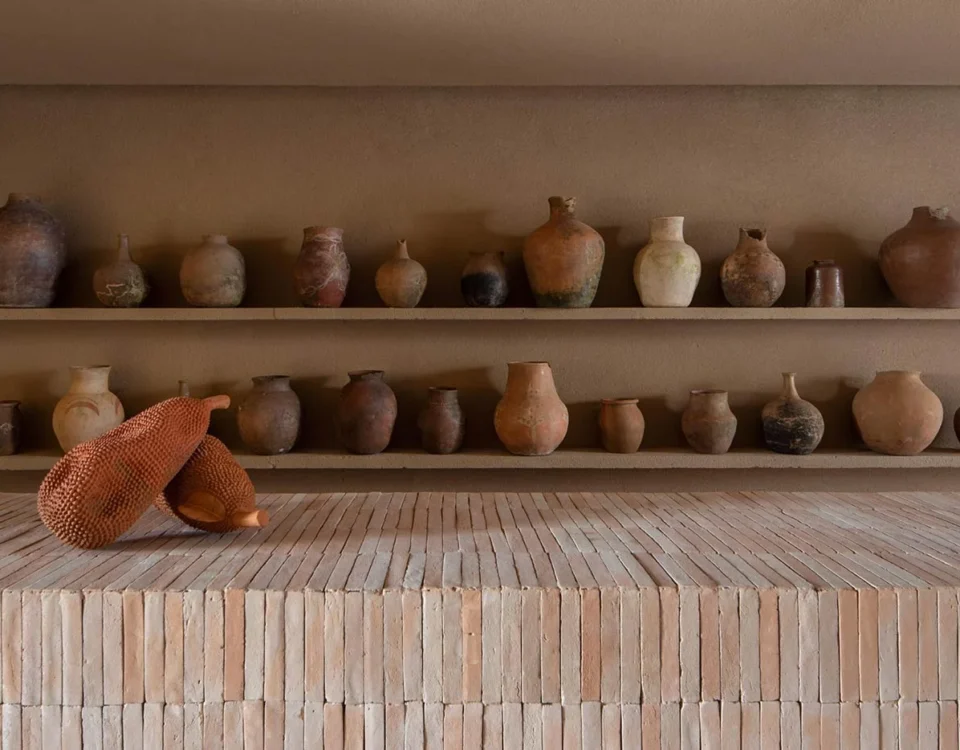
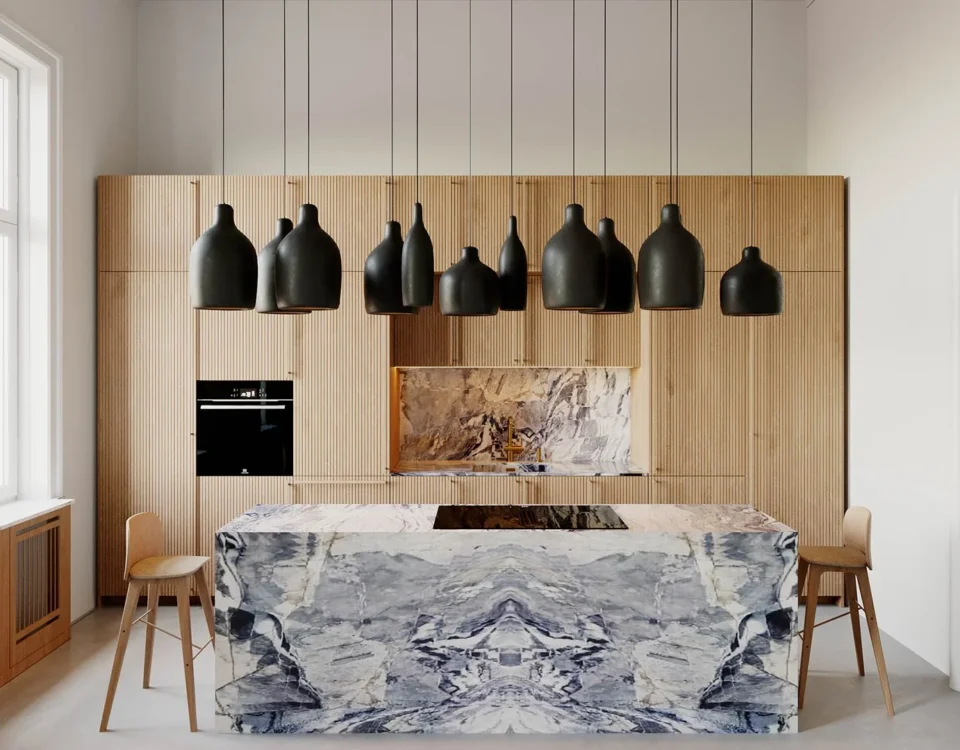
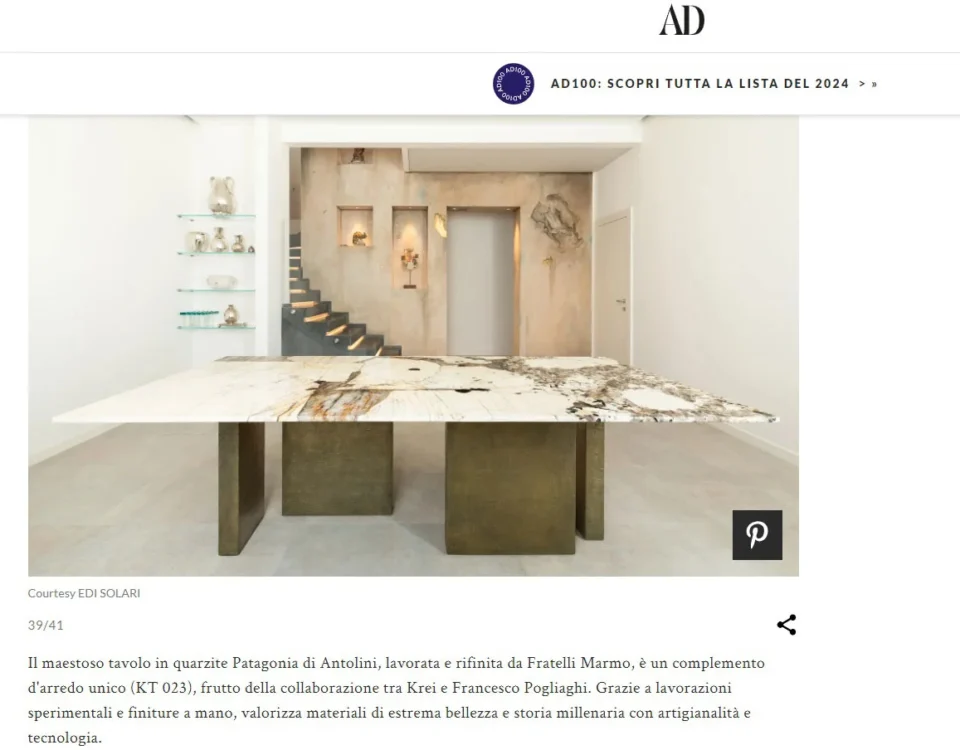
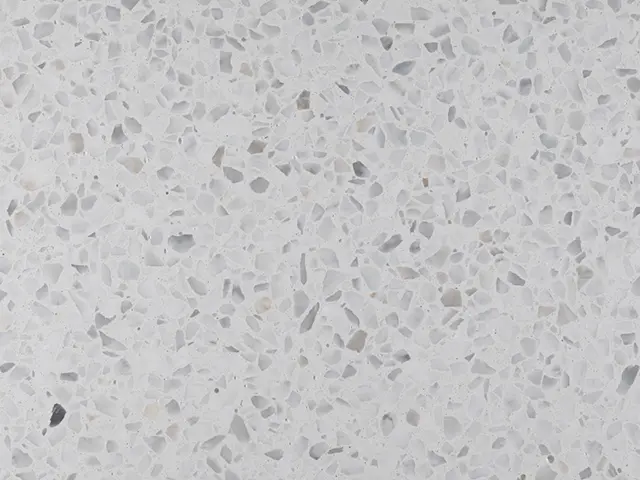
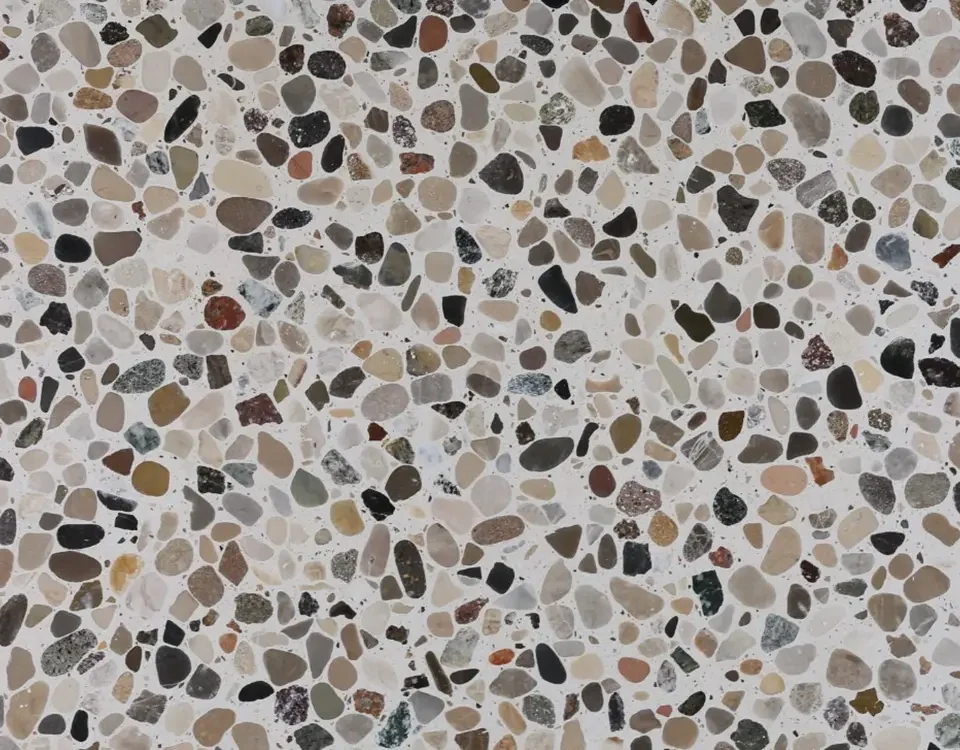
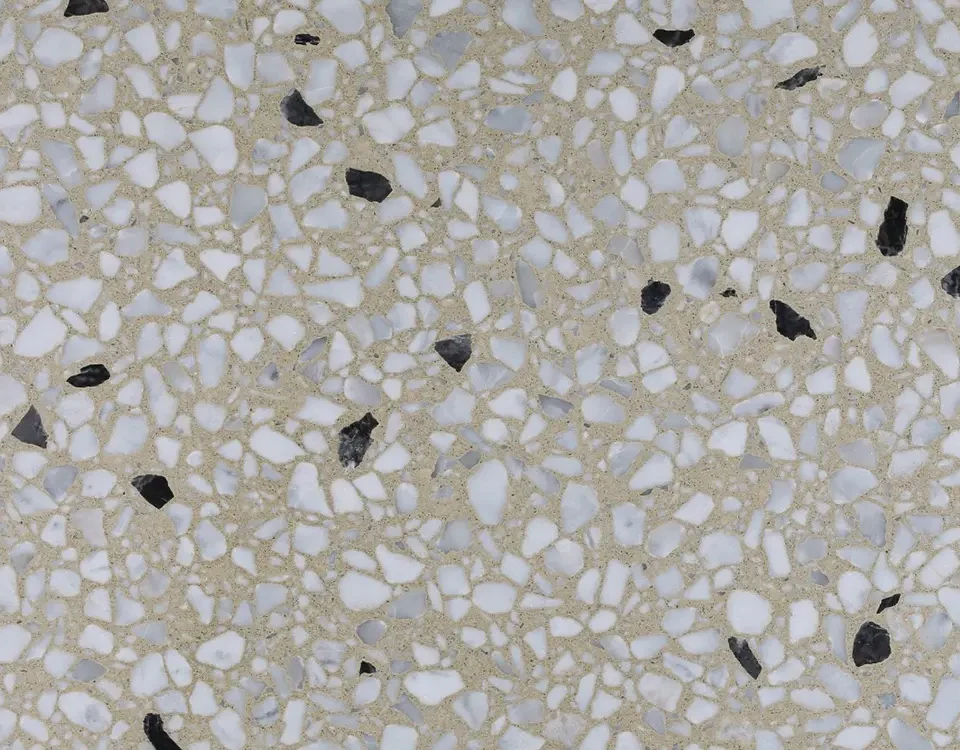
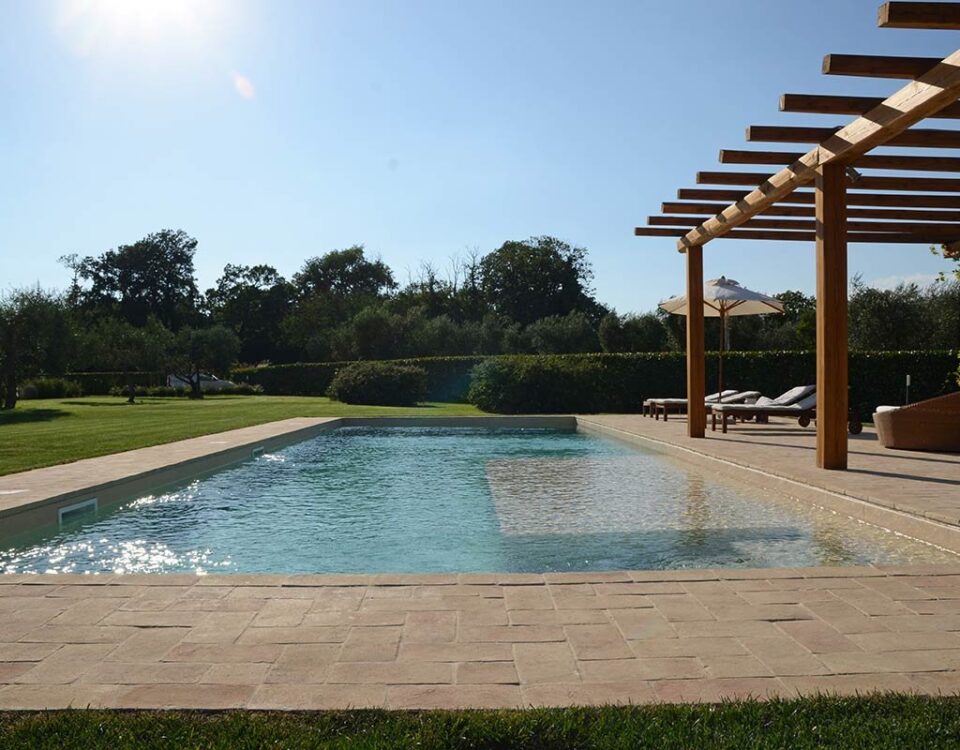
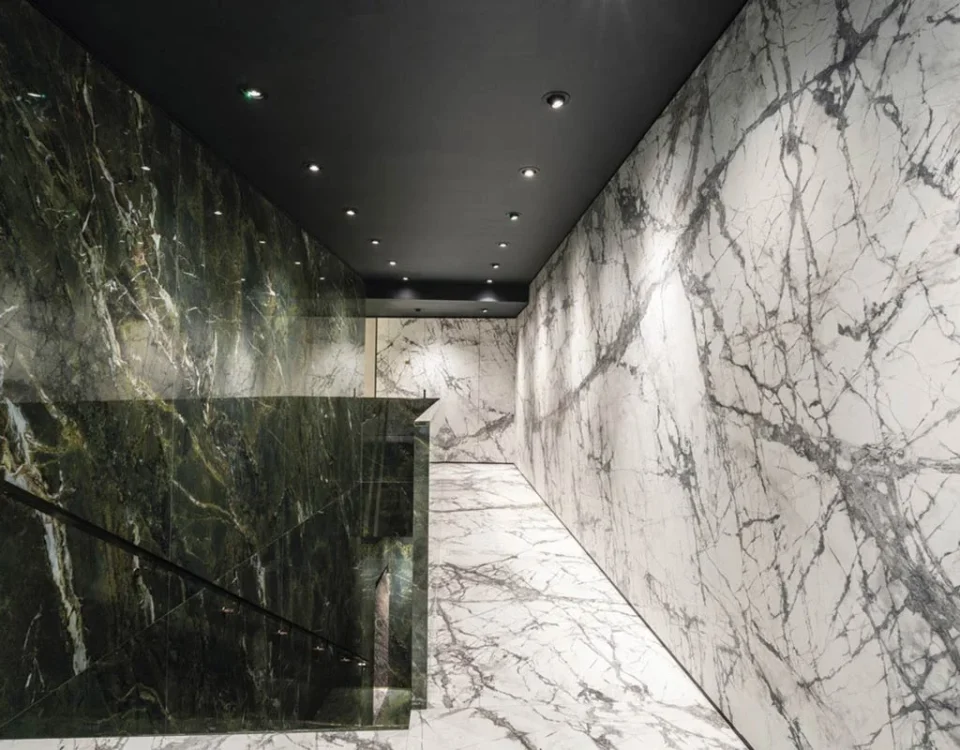
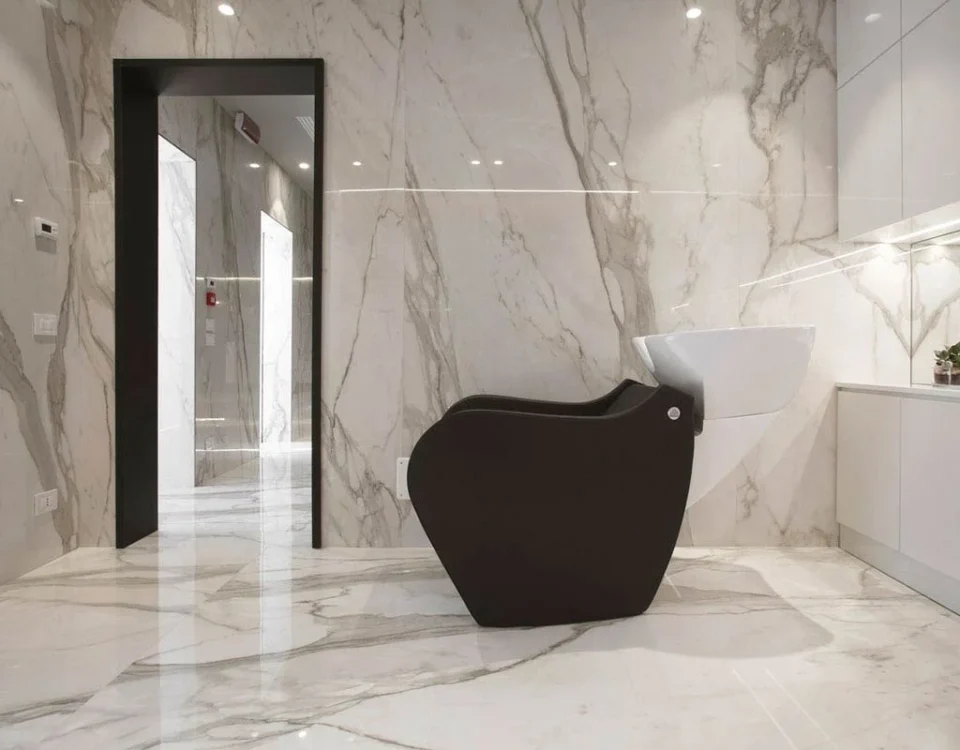
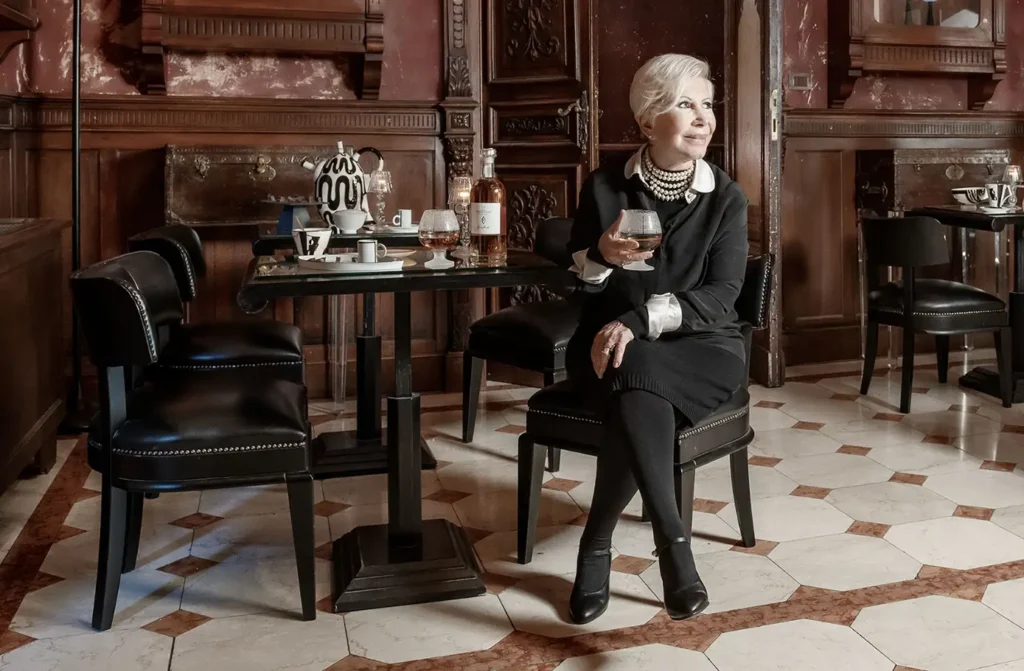
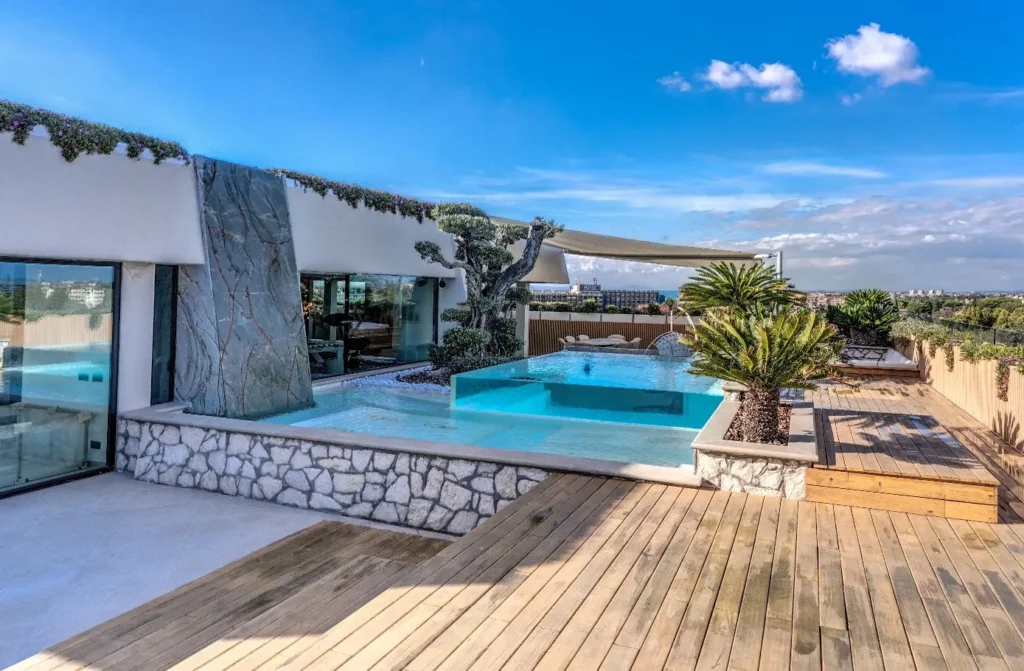
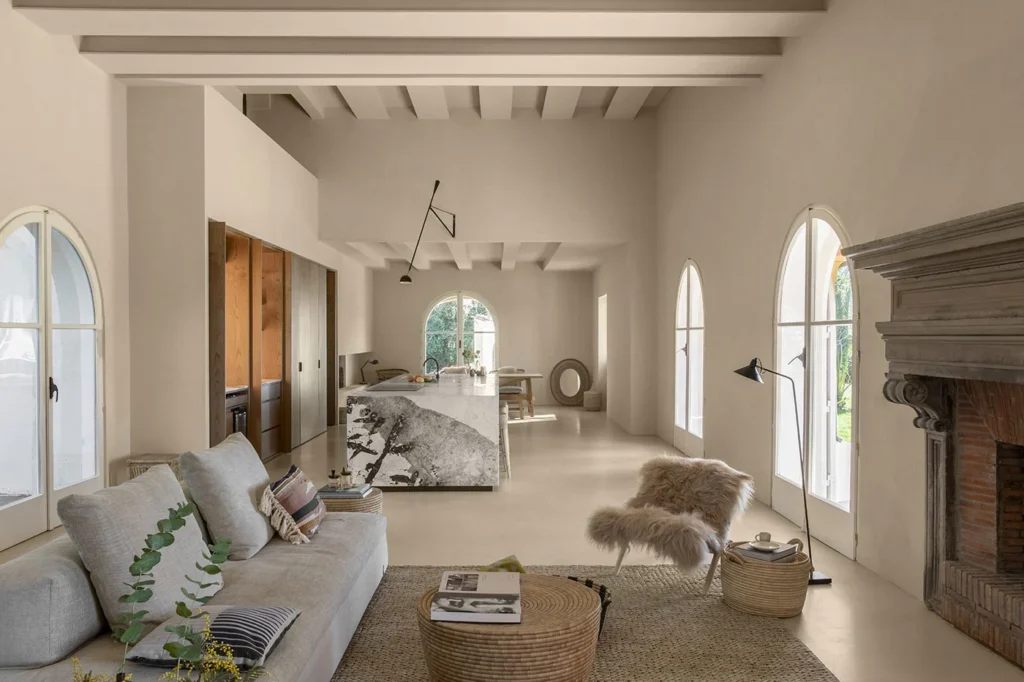
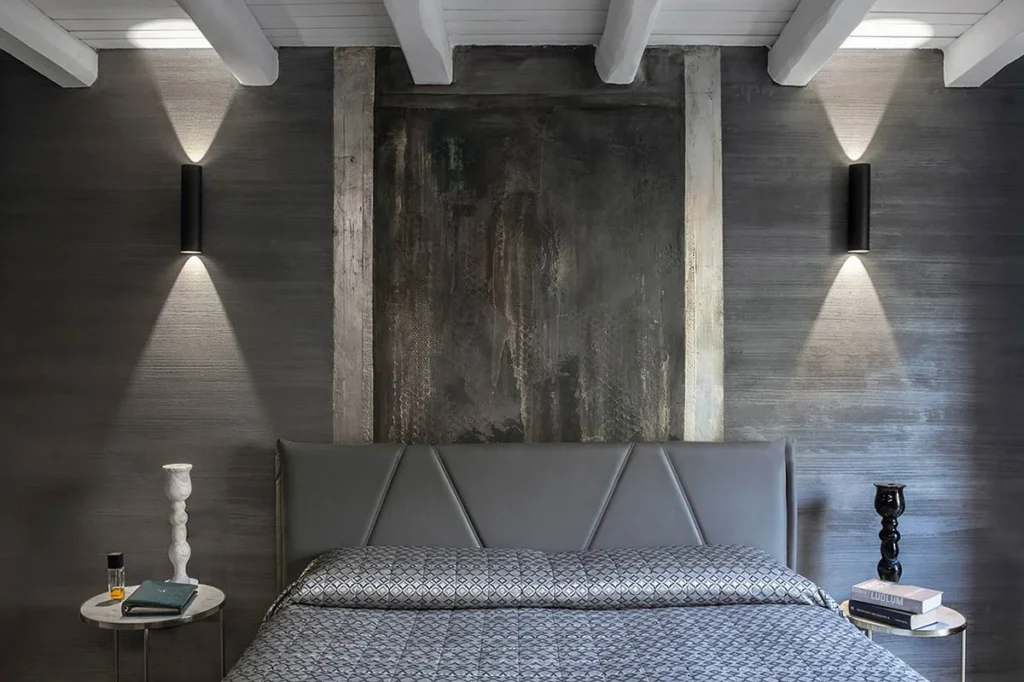
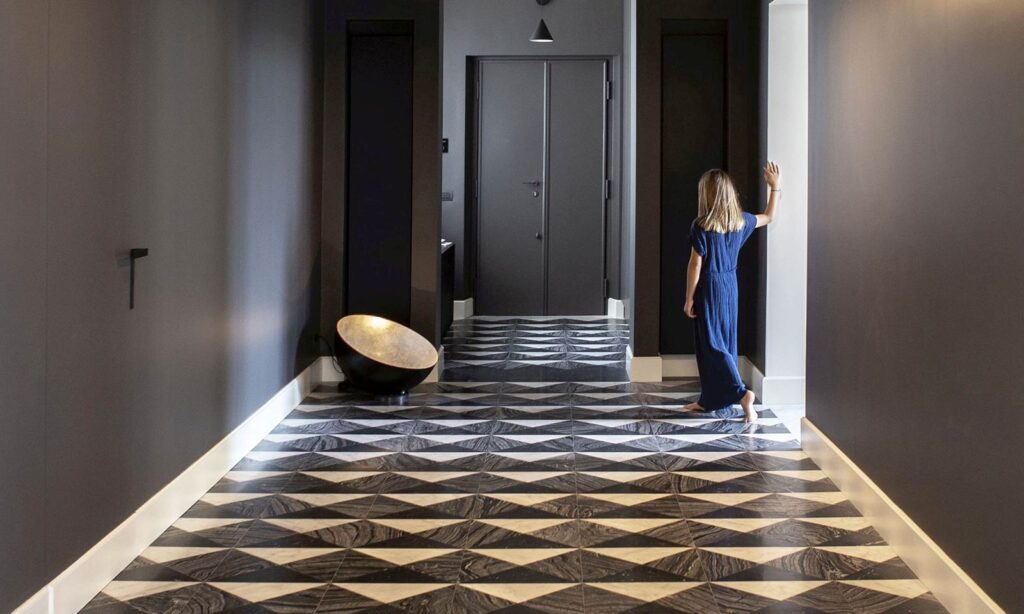
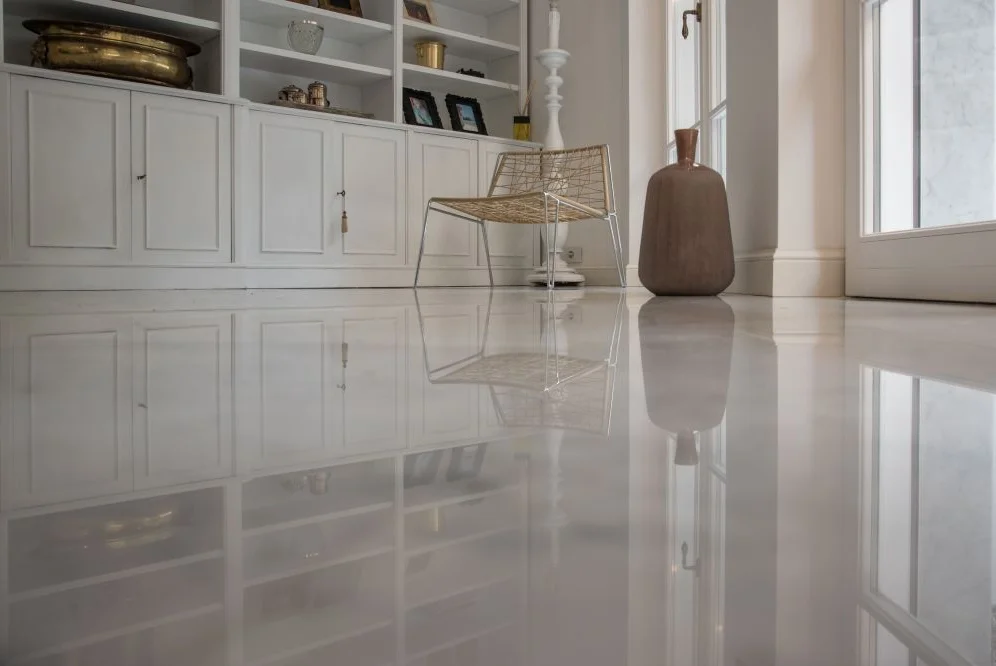
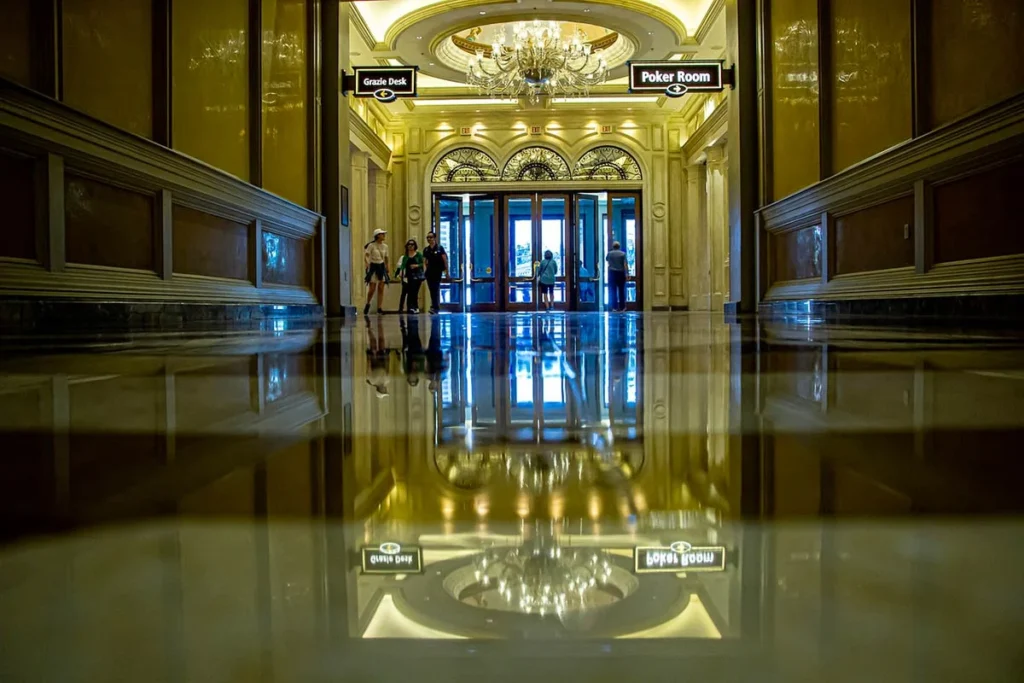
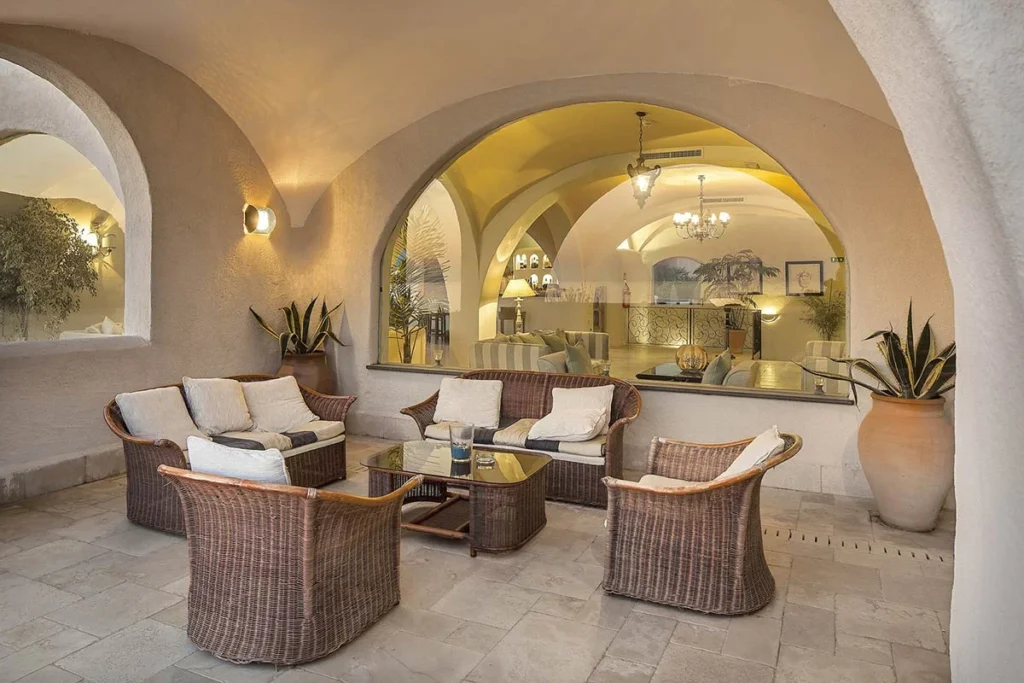
Natural materials chosen by architects and designers to create residential spaces, hotels, showrooms and high-end projects. Their expressive power takes shape through design, where material becomes architectural language.
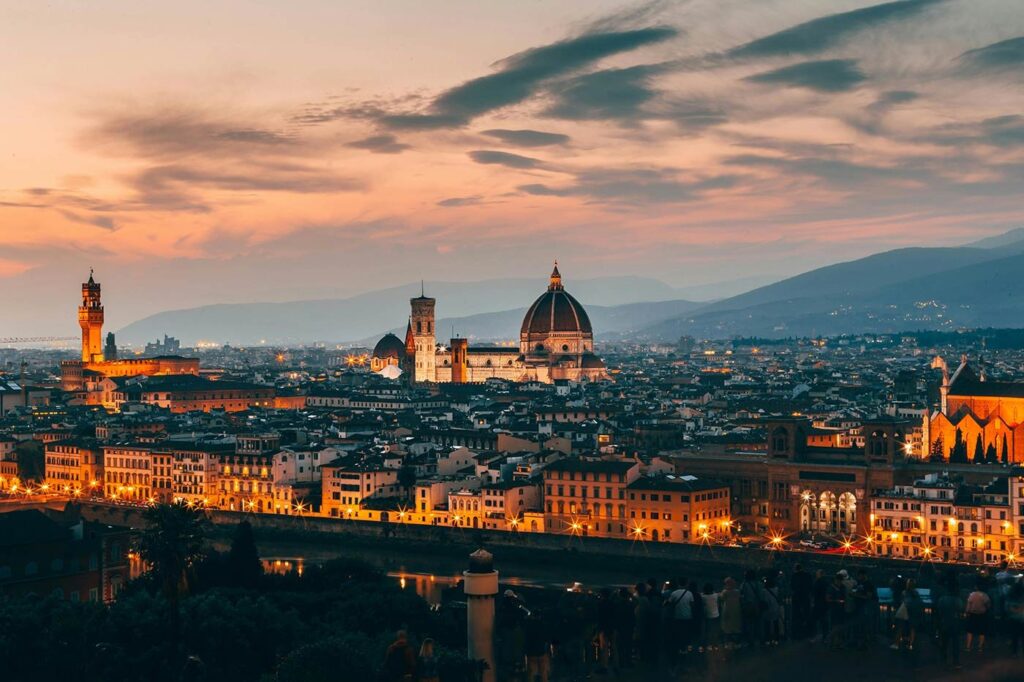
Unique, richly textured surfaces define spaces created in Rome, Milan and Florence, in collaboration with architecture and design studios and industry professionals.
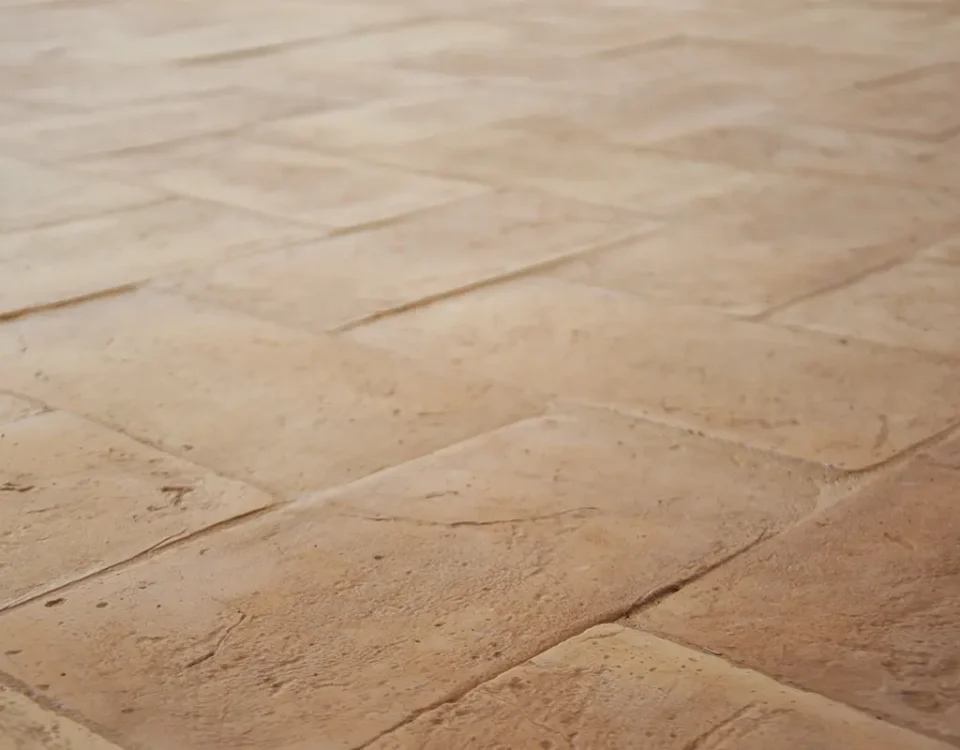
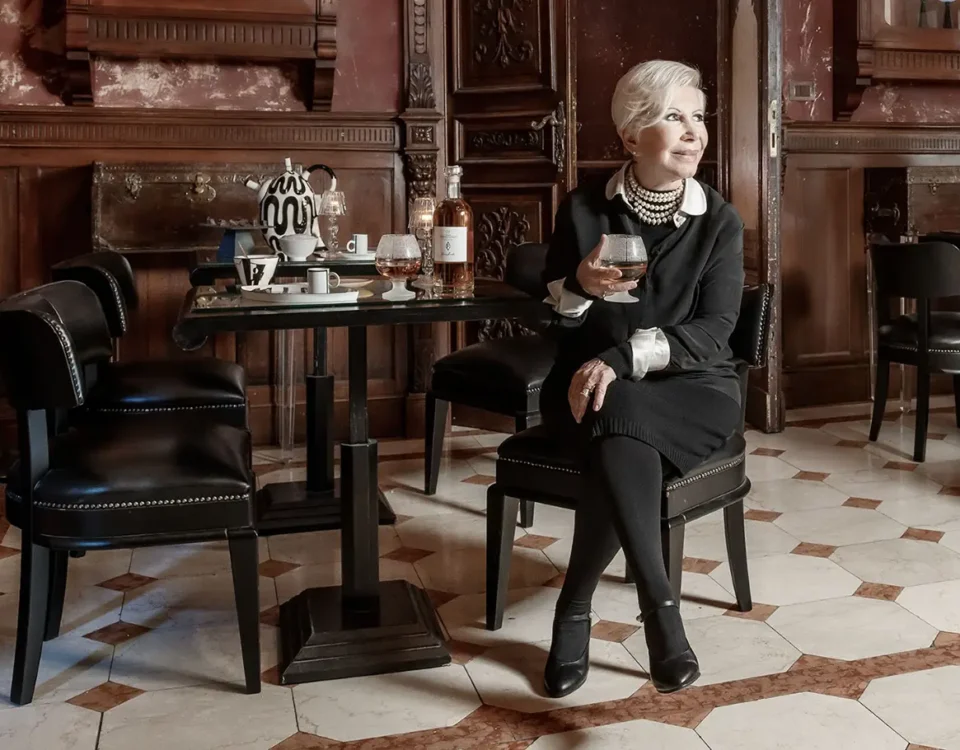
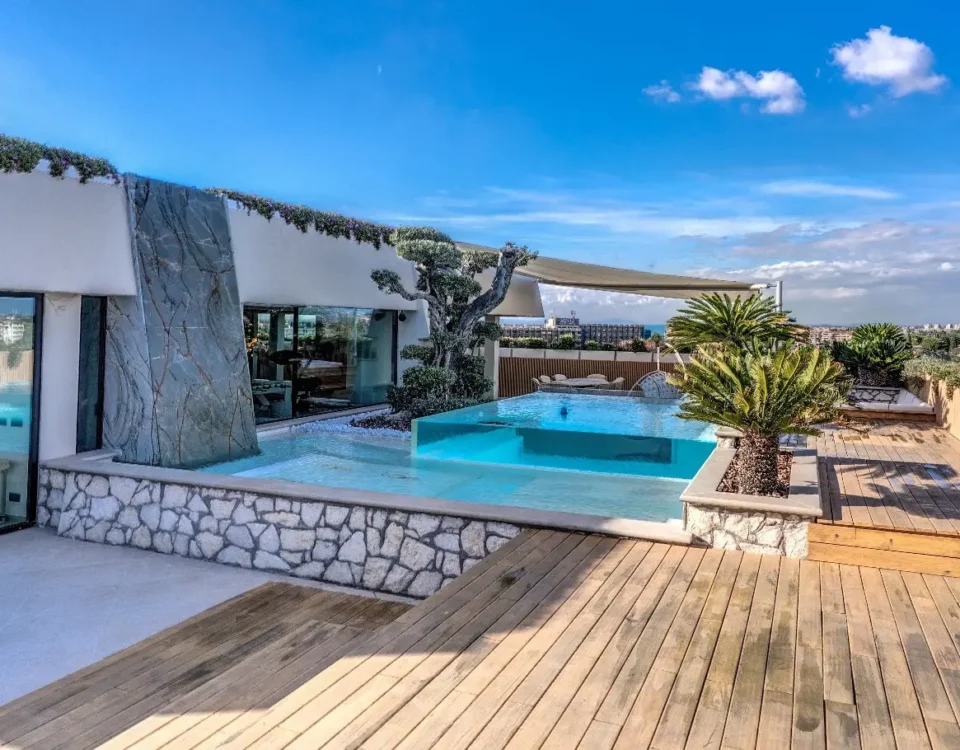
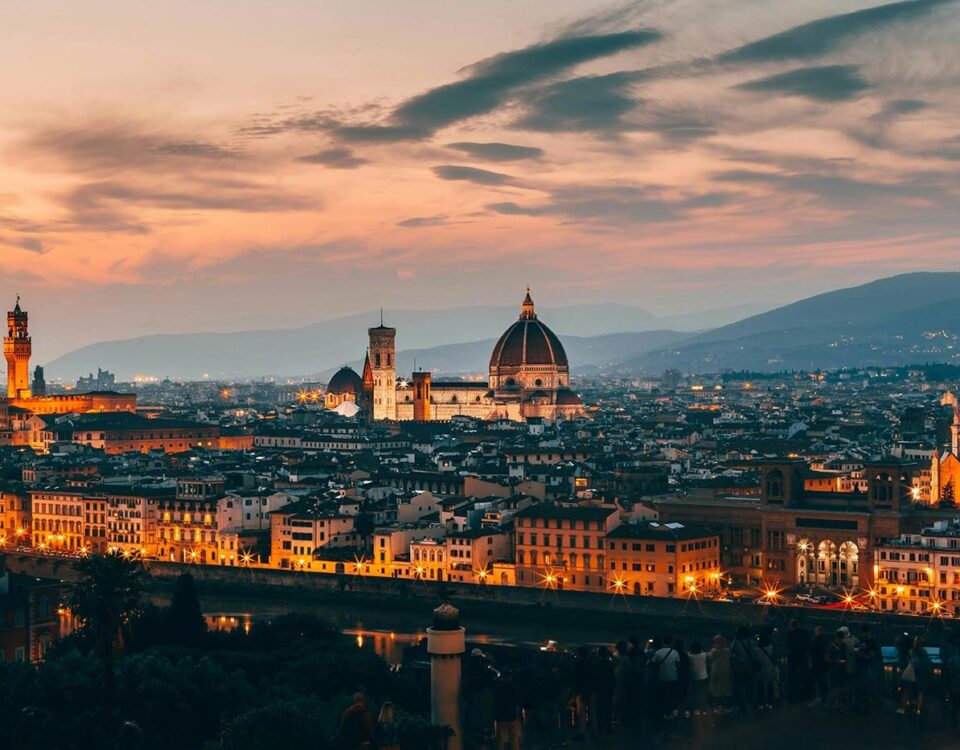

















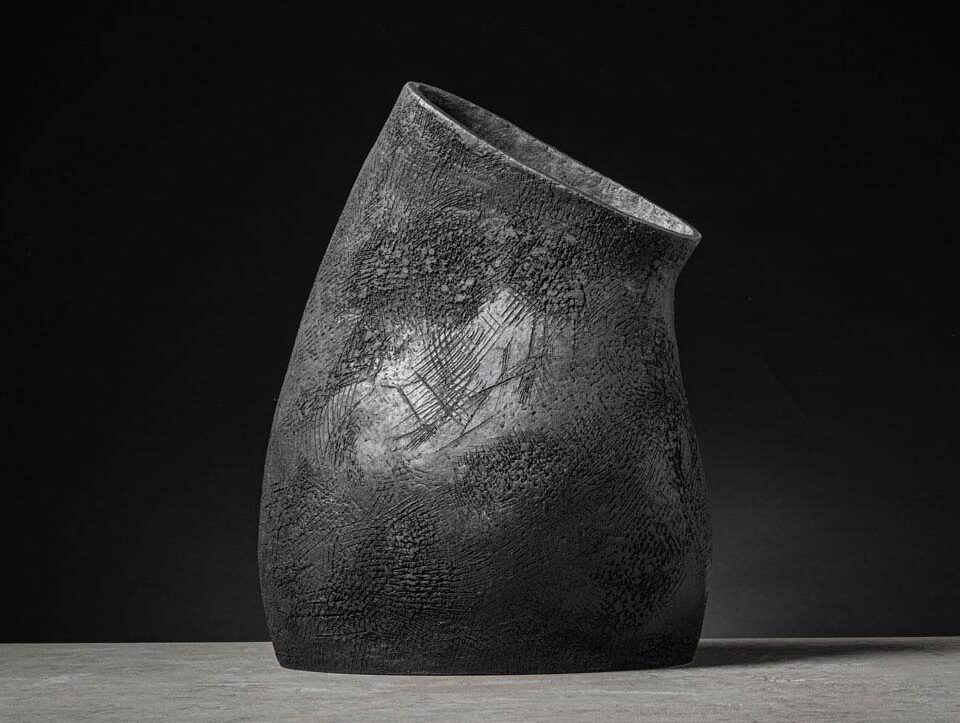
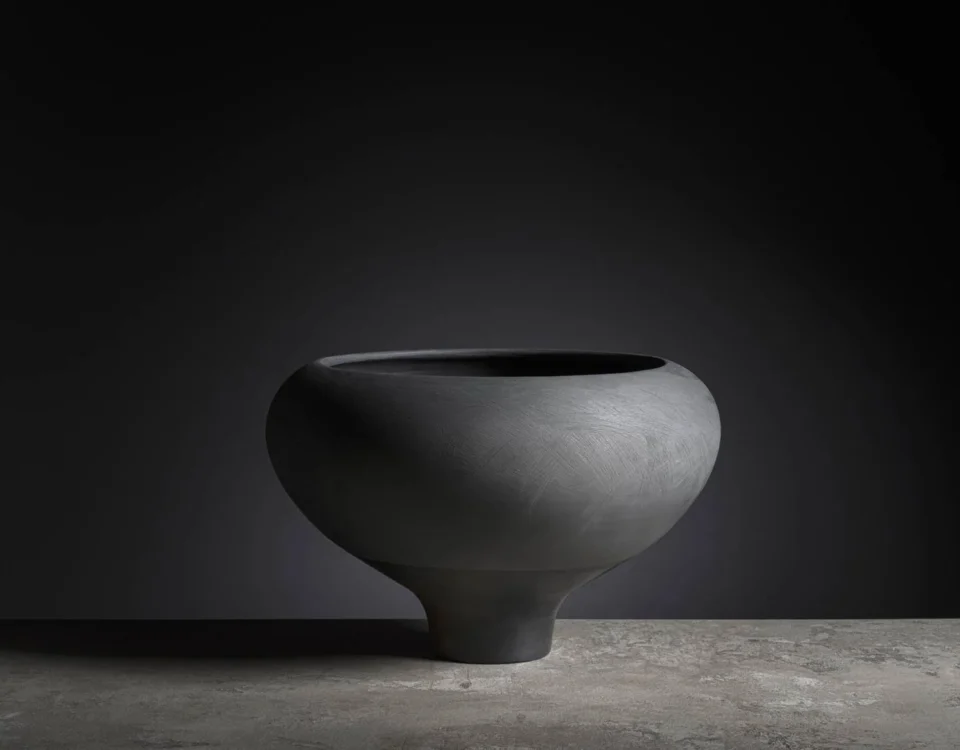
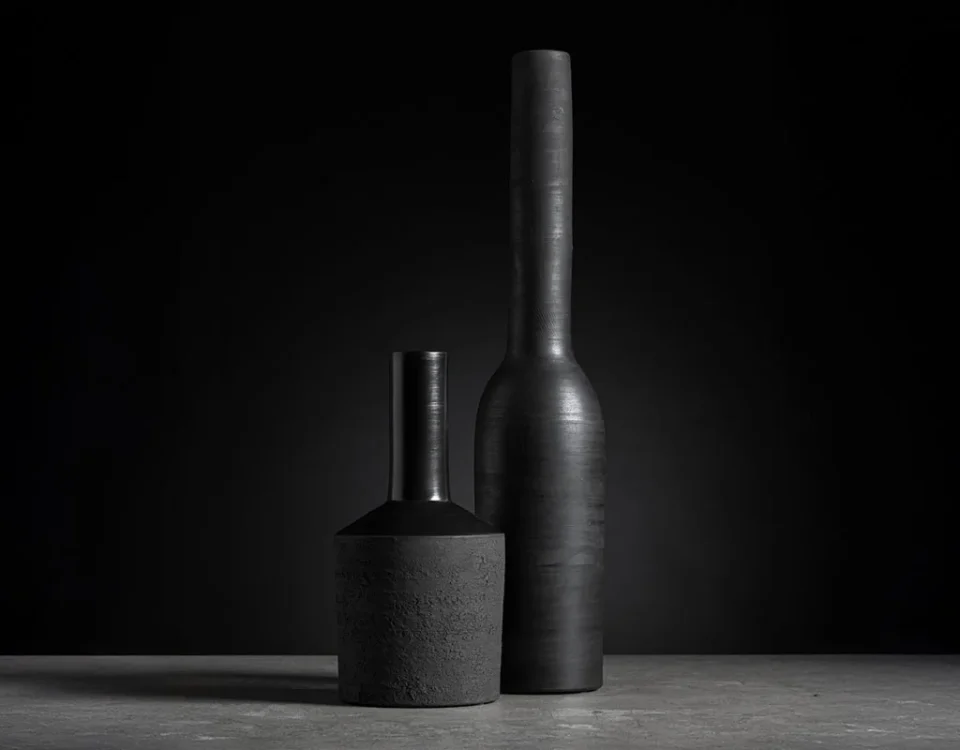







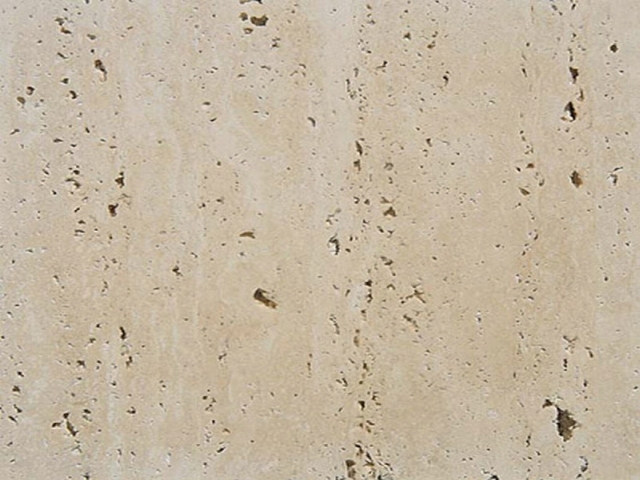
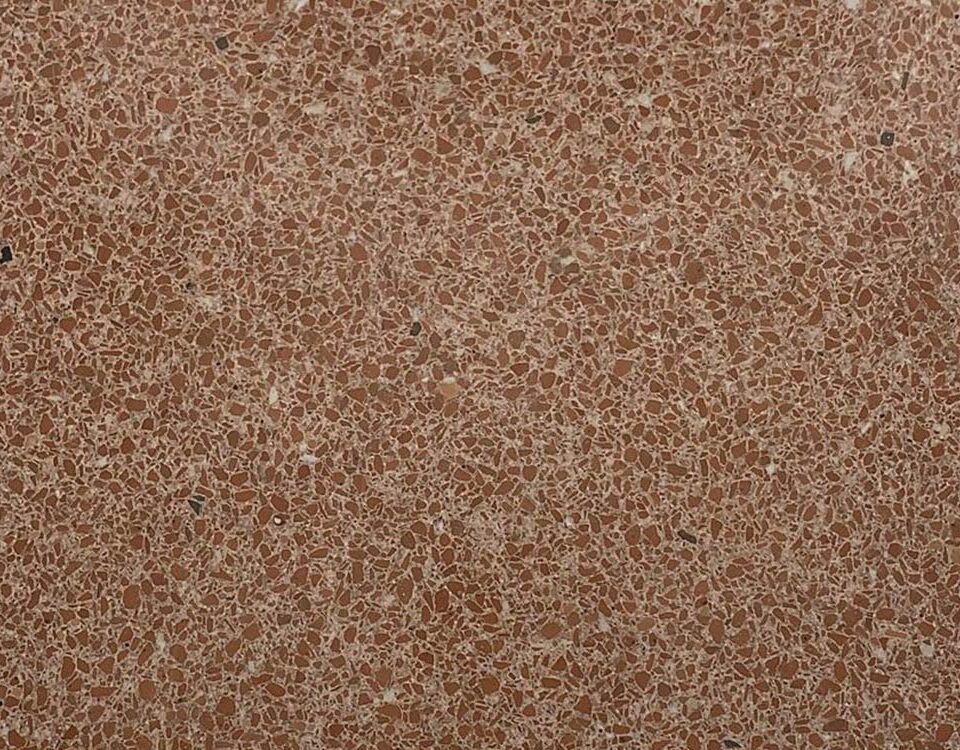
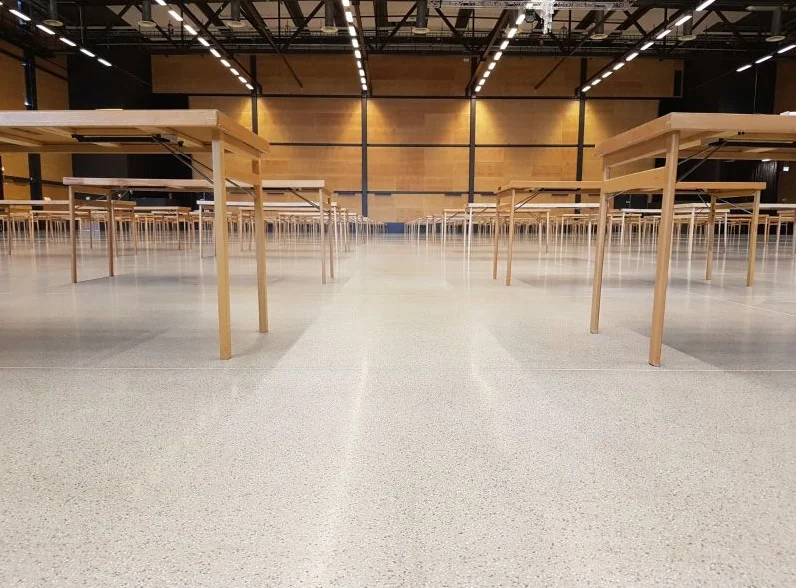

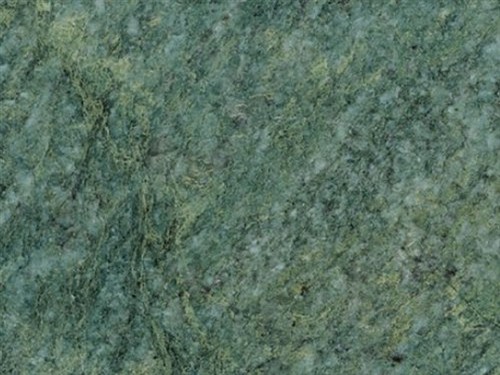






















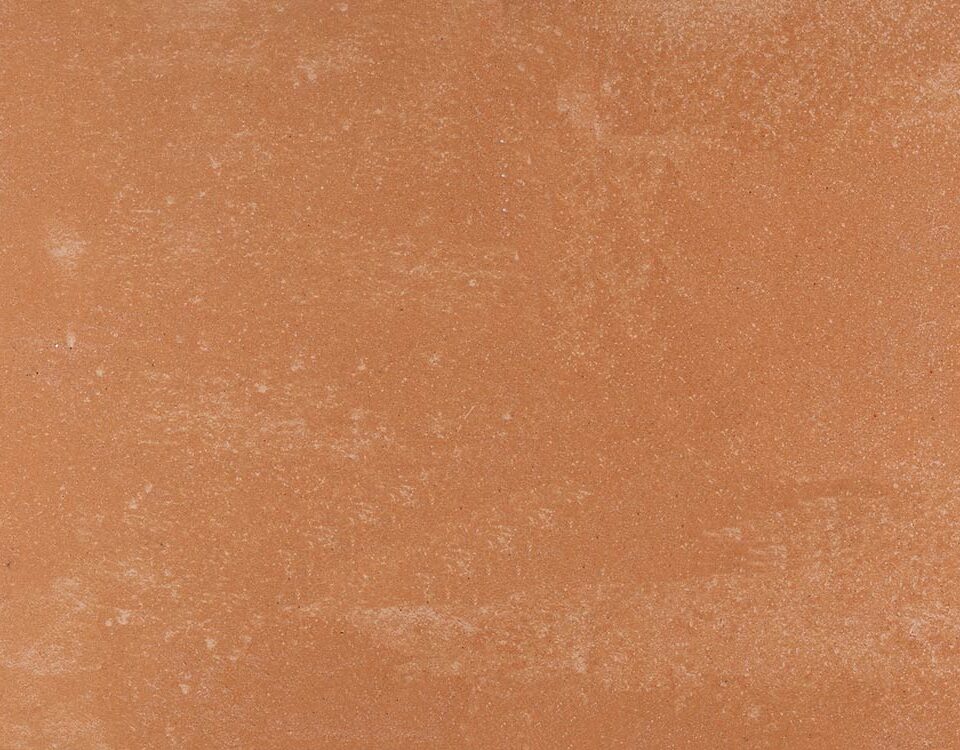
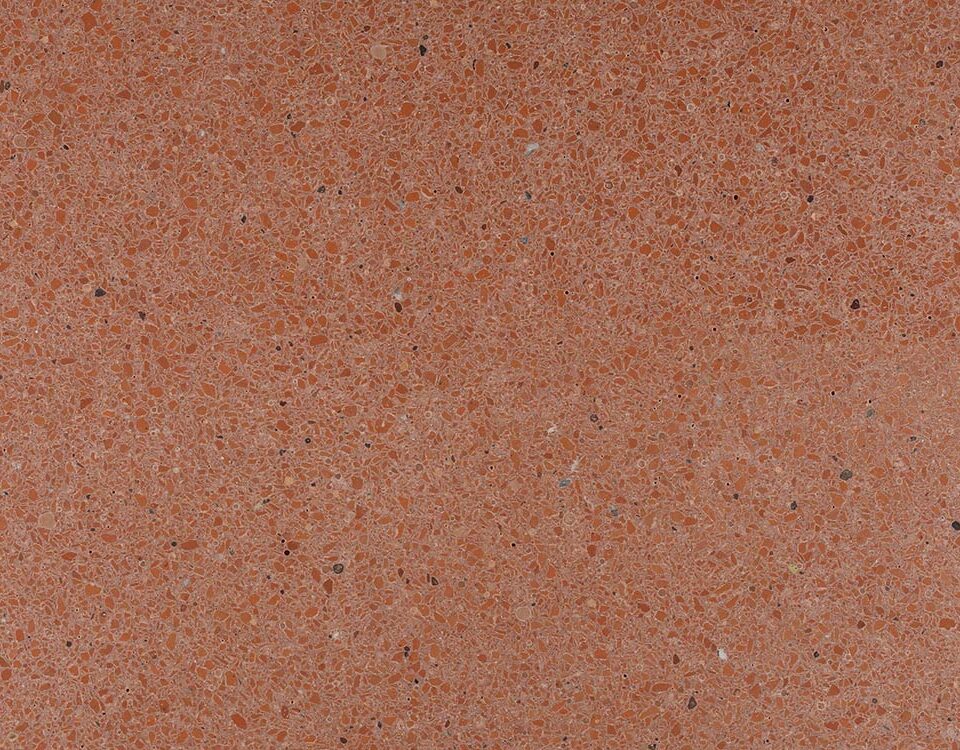
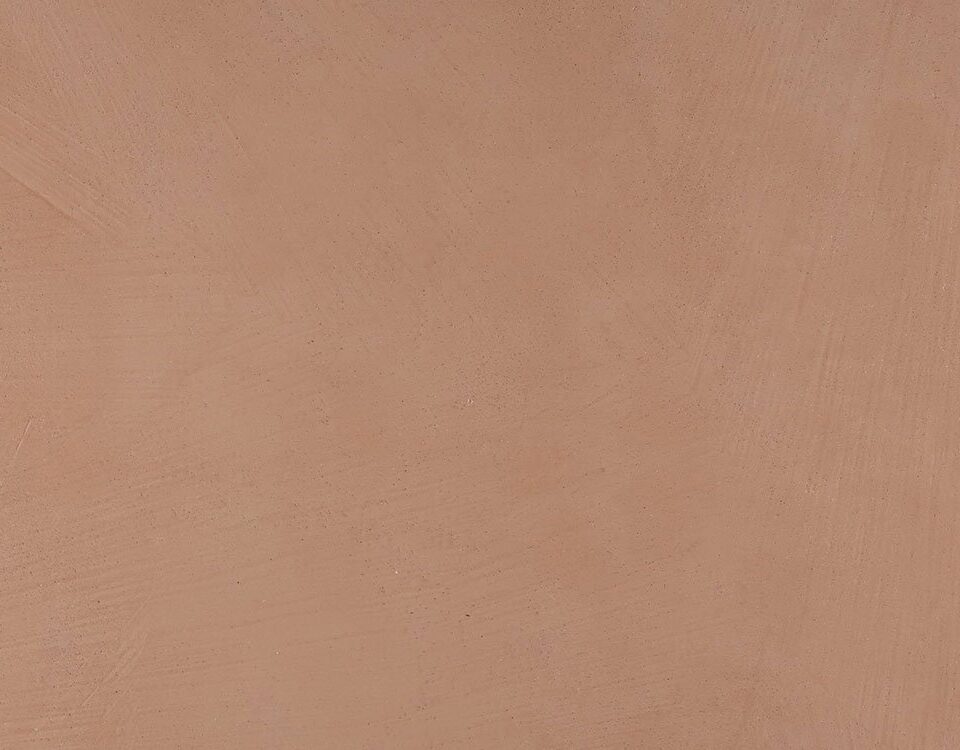












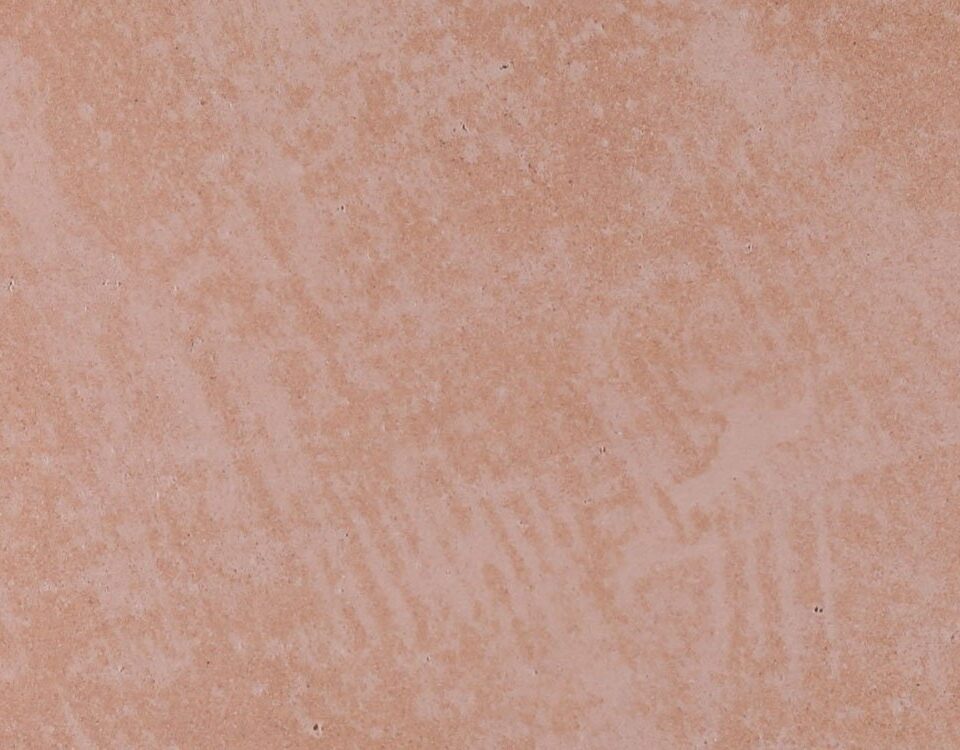
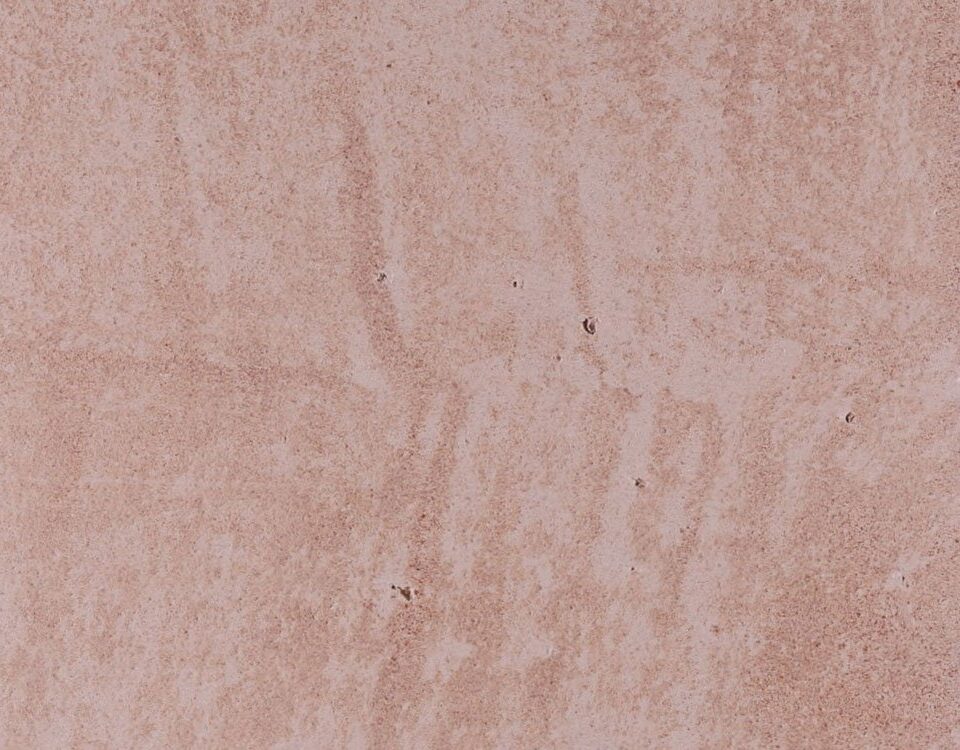
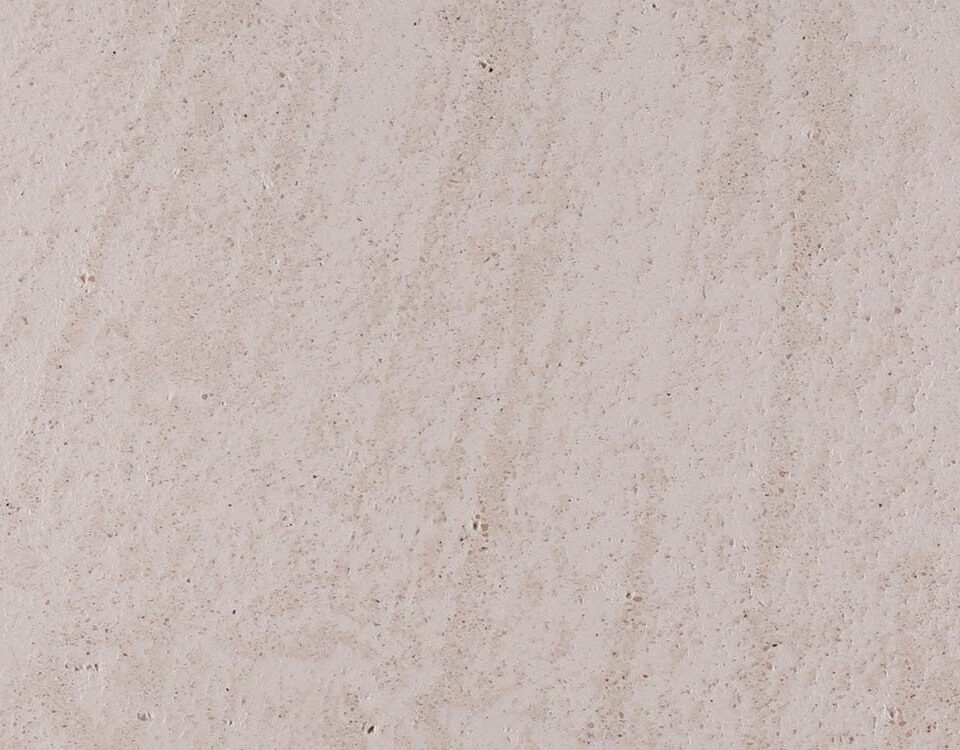


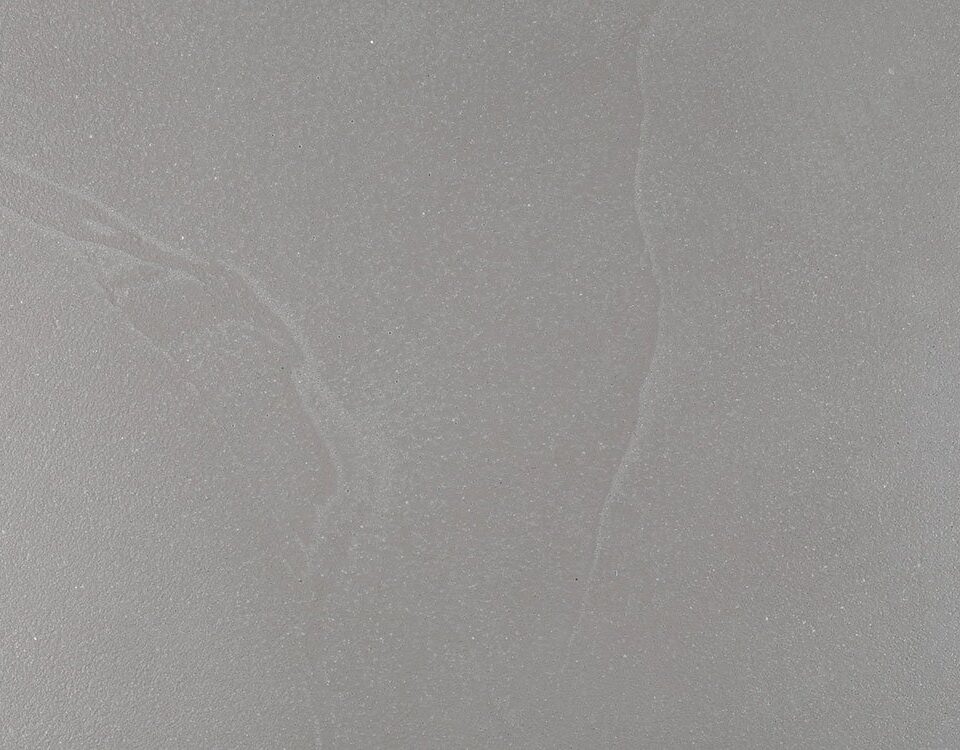
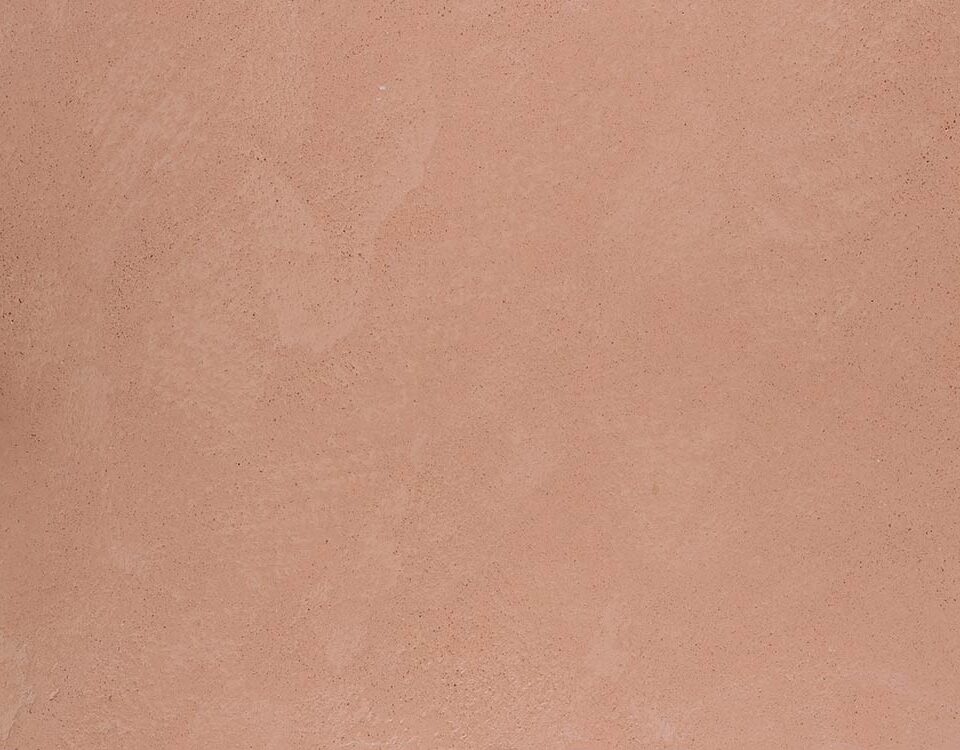

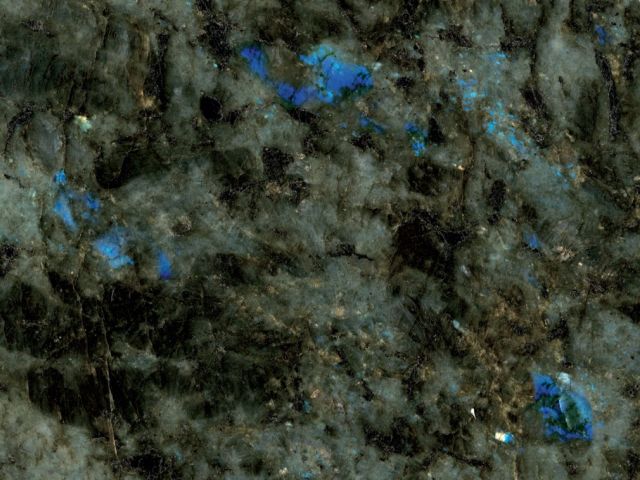
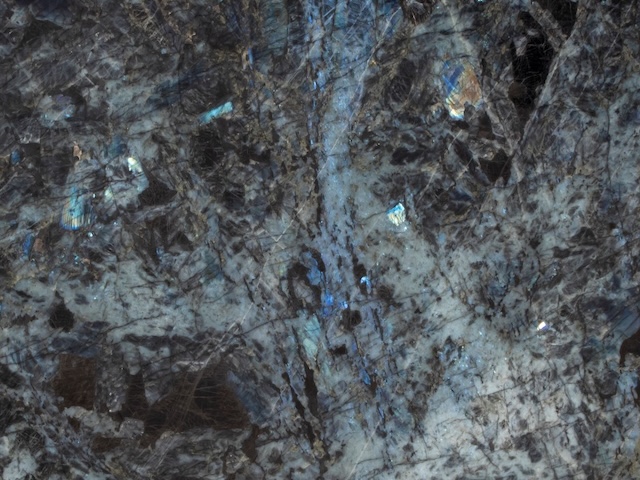

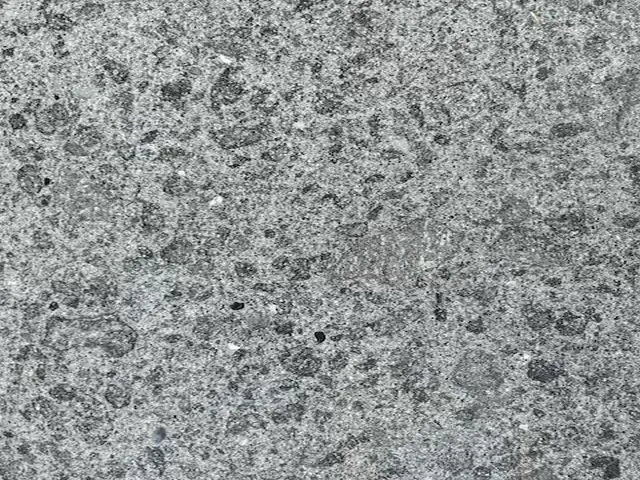


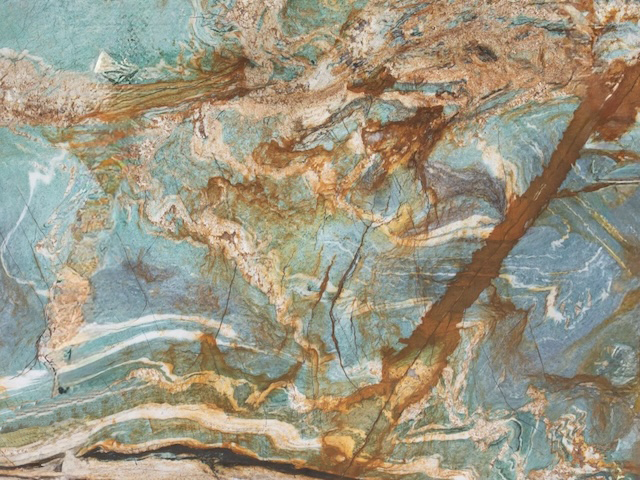




















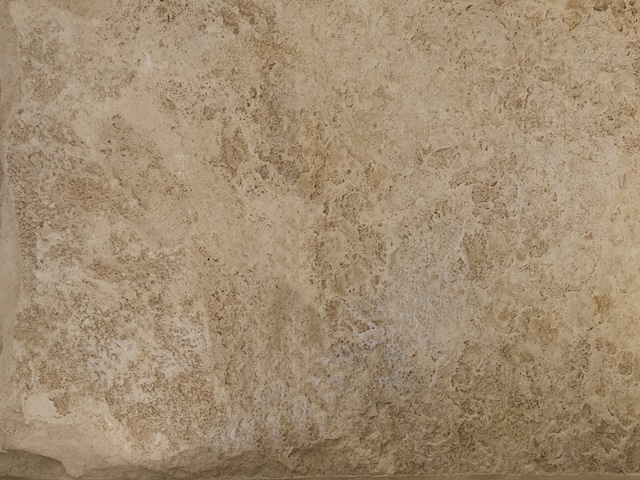


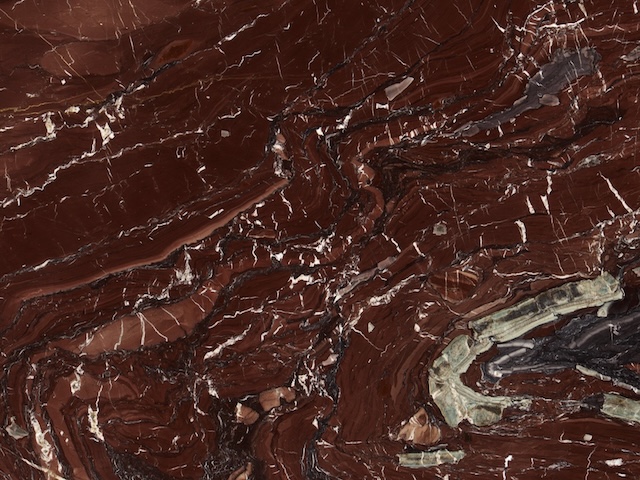


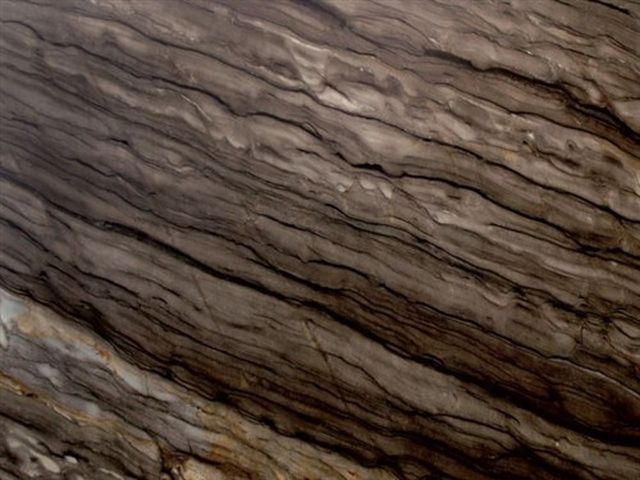

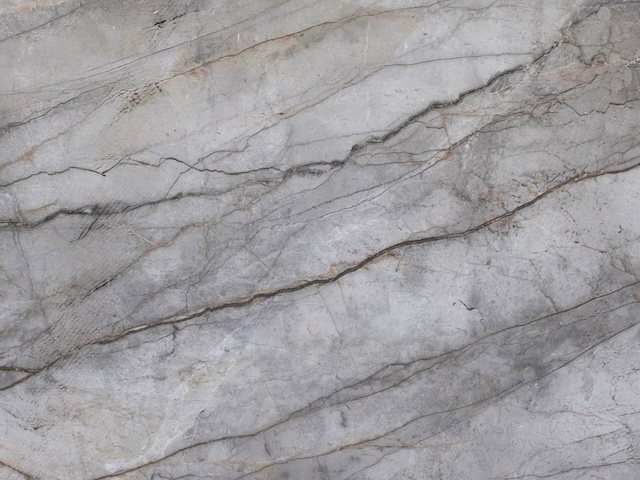



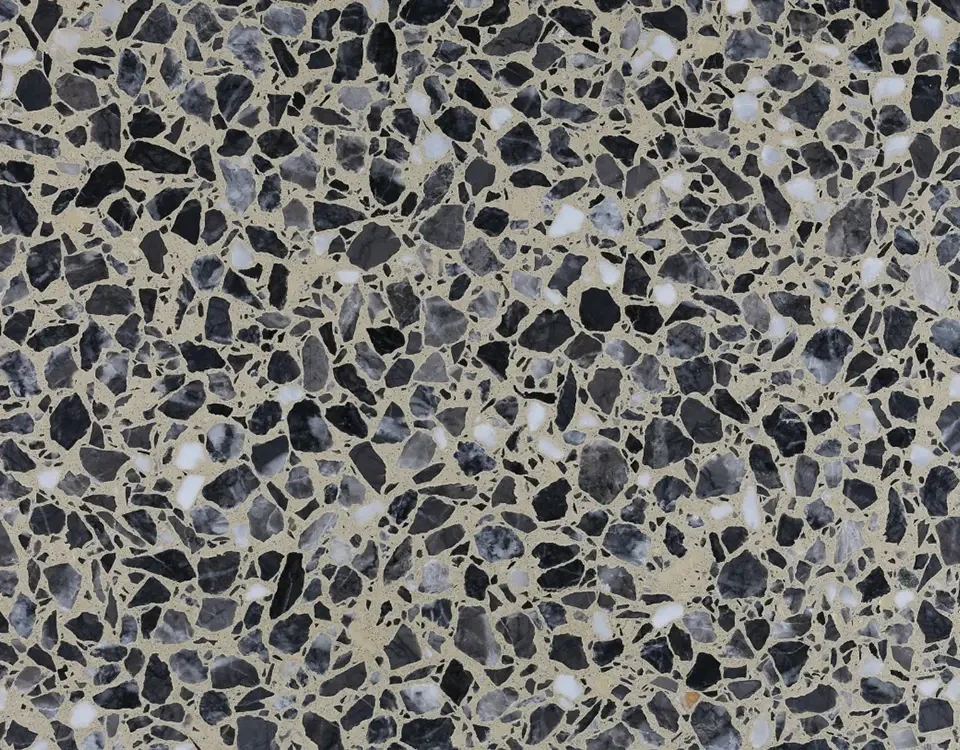
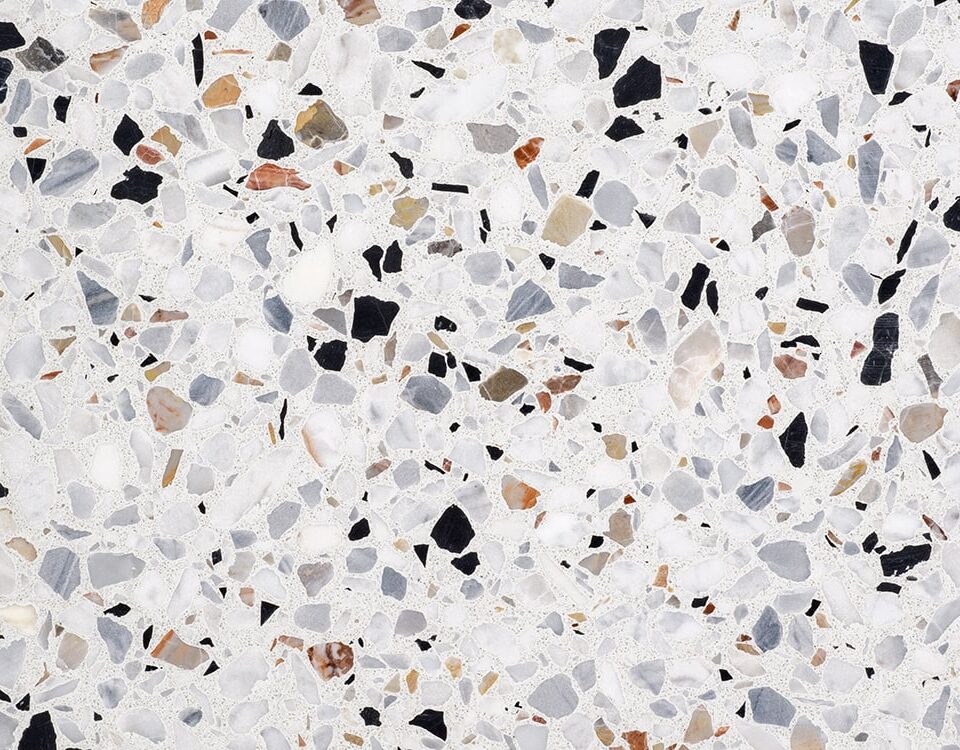
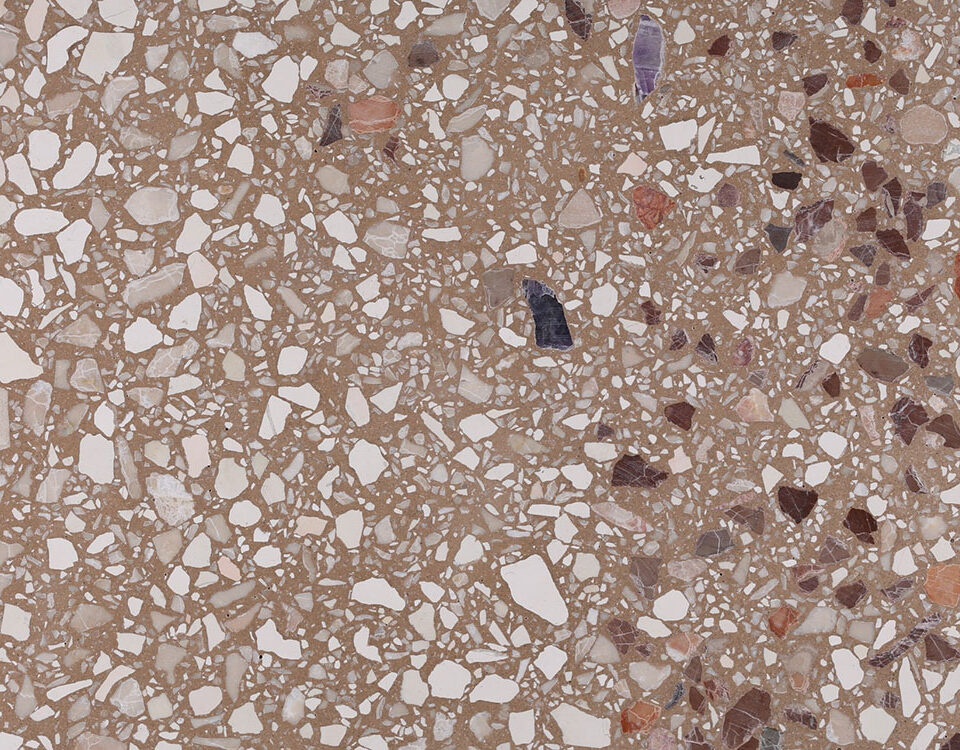
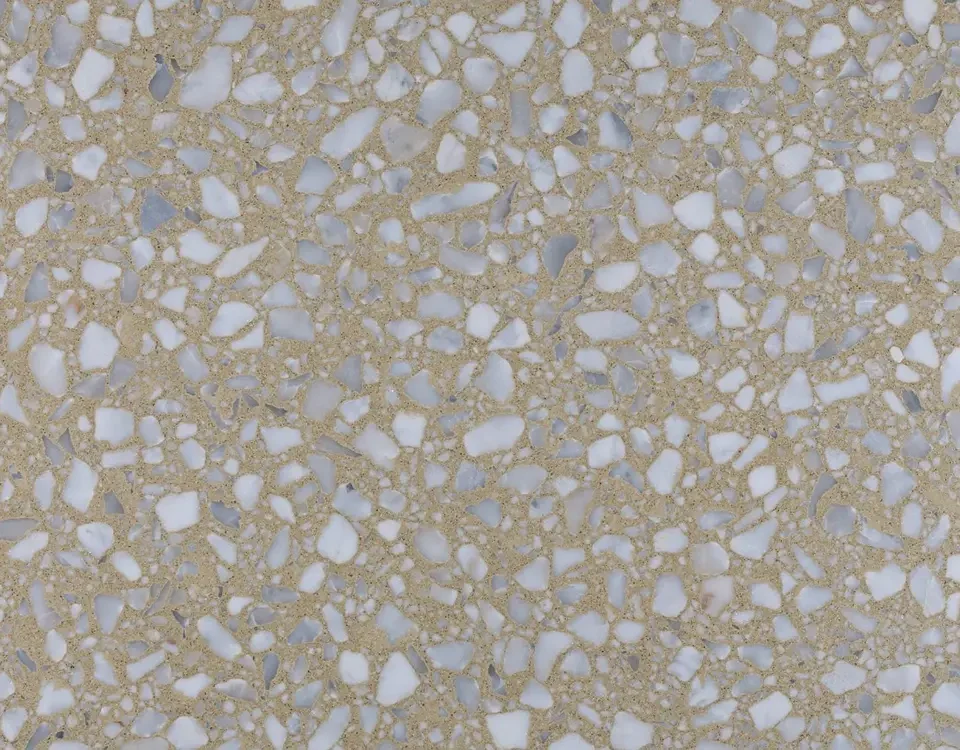
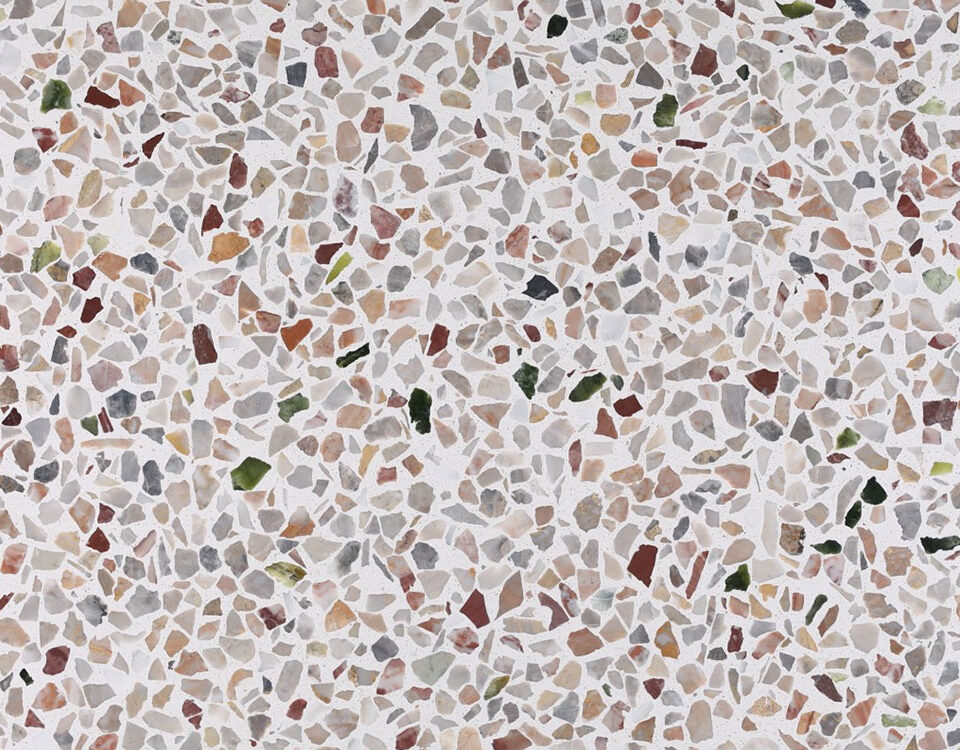
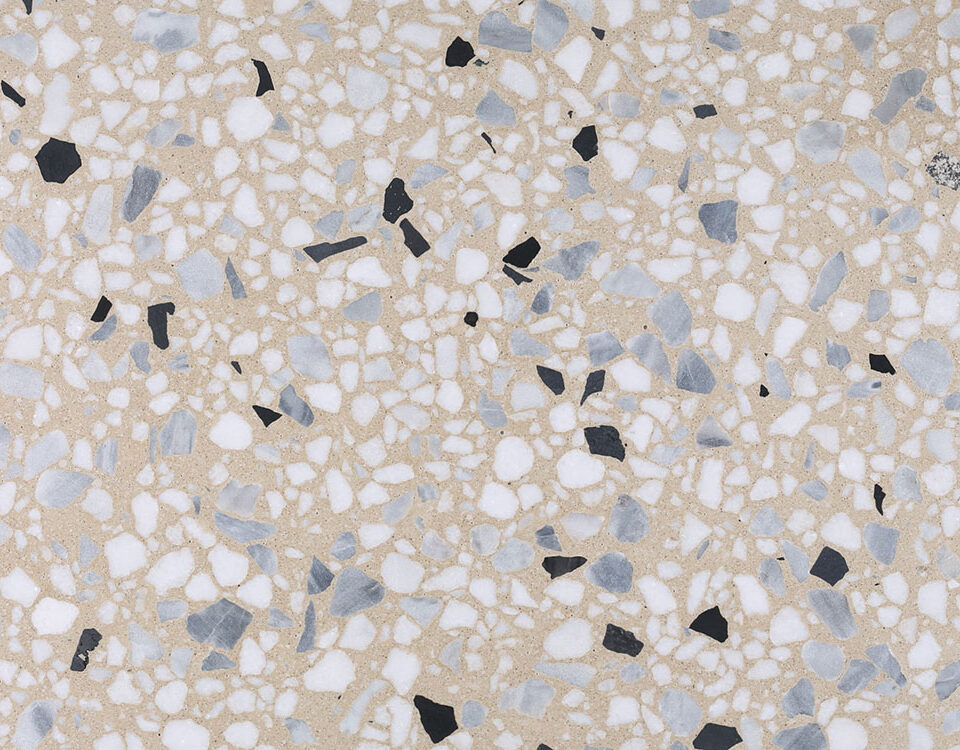
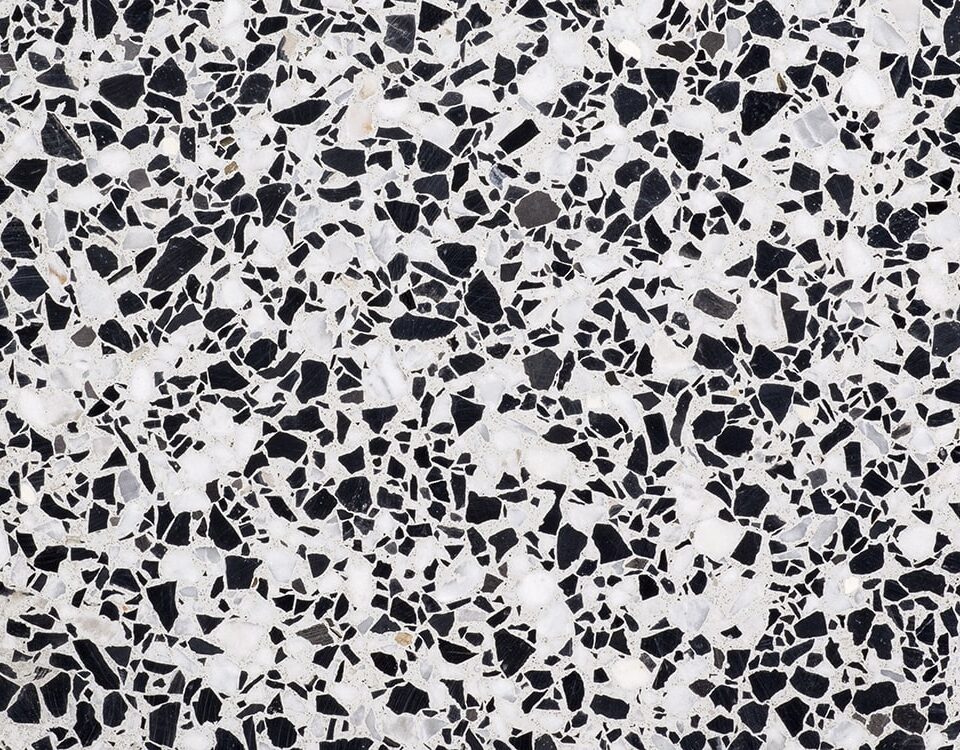
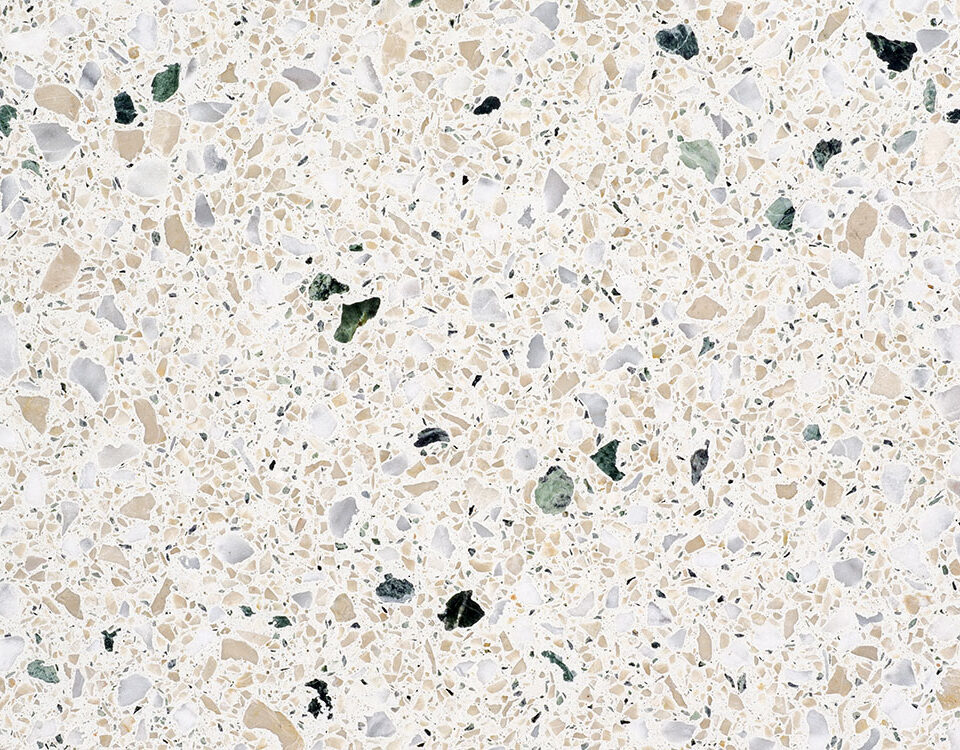
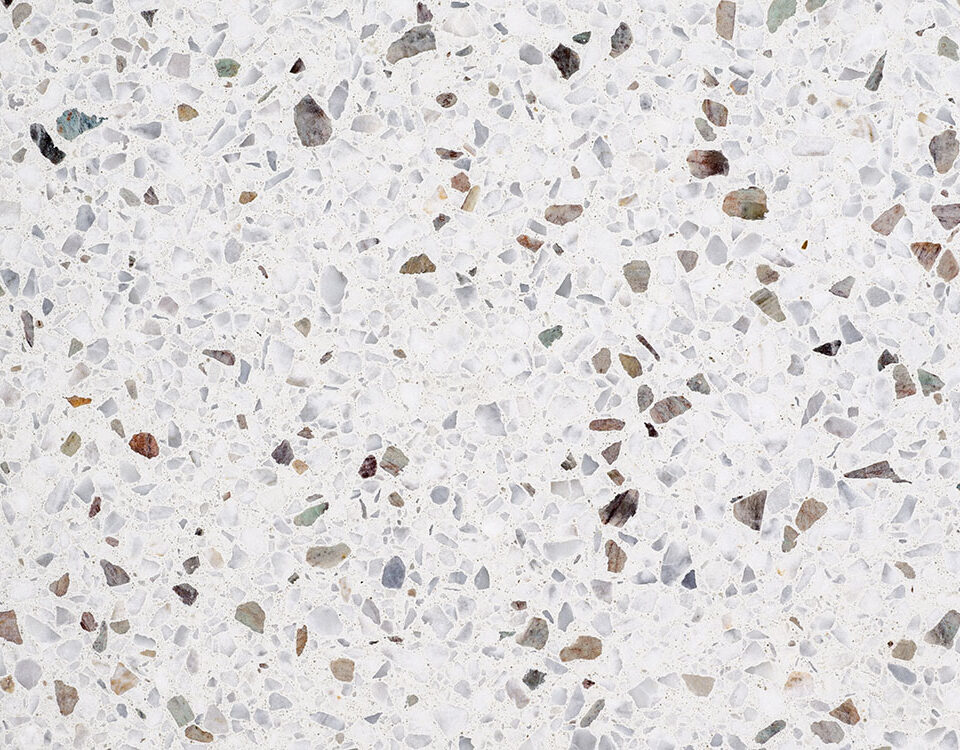
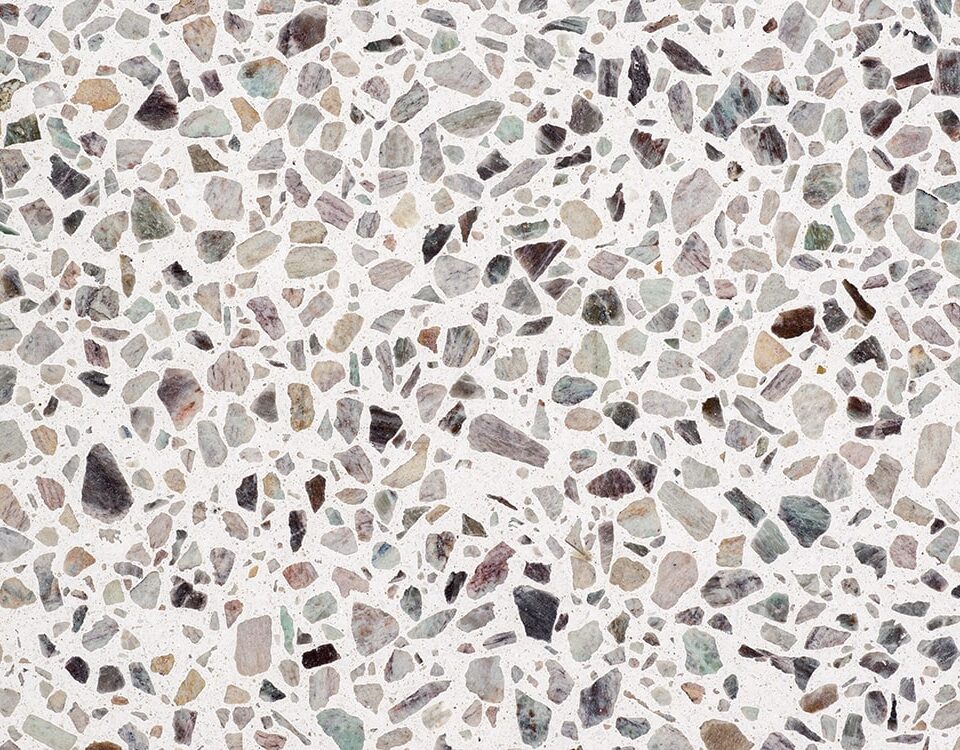
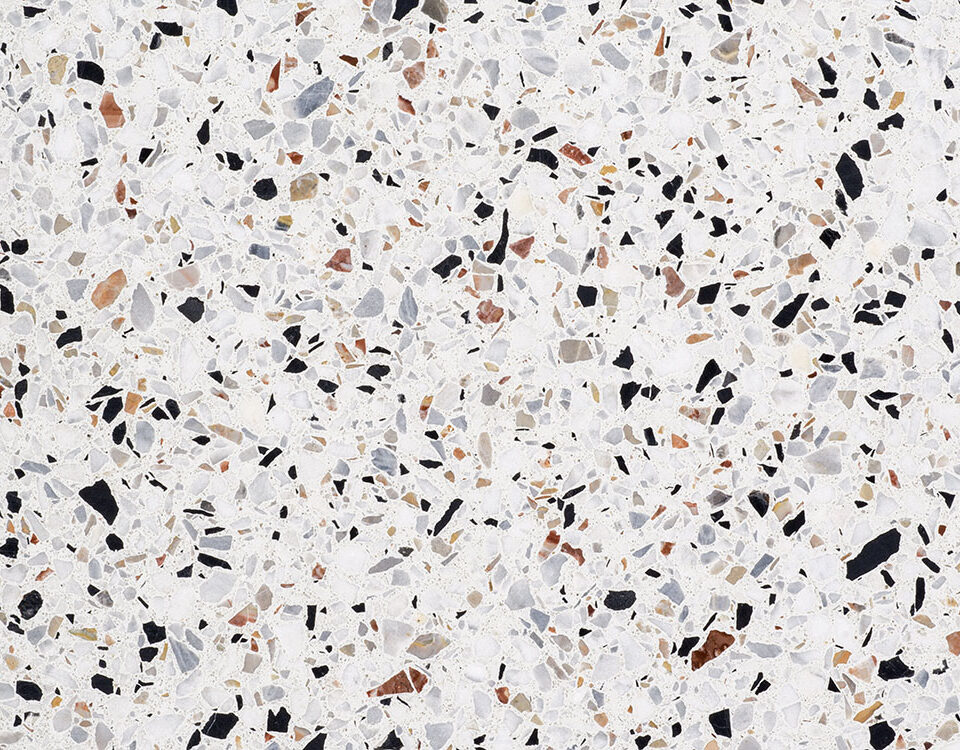
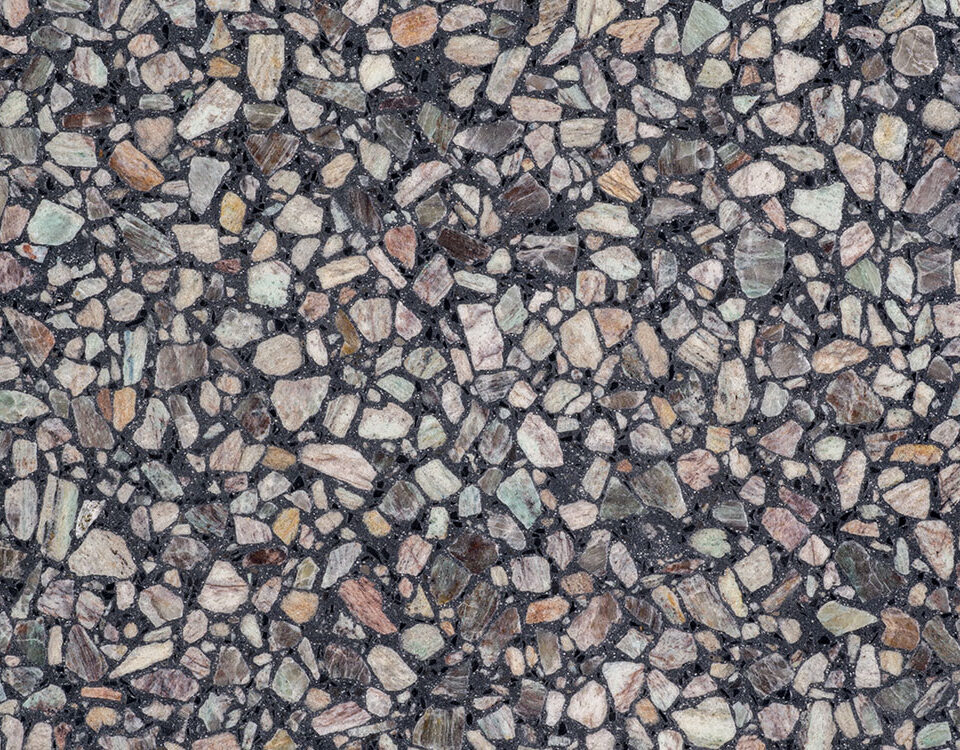
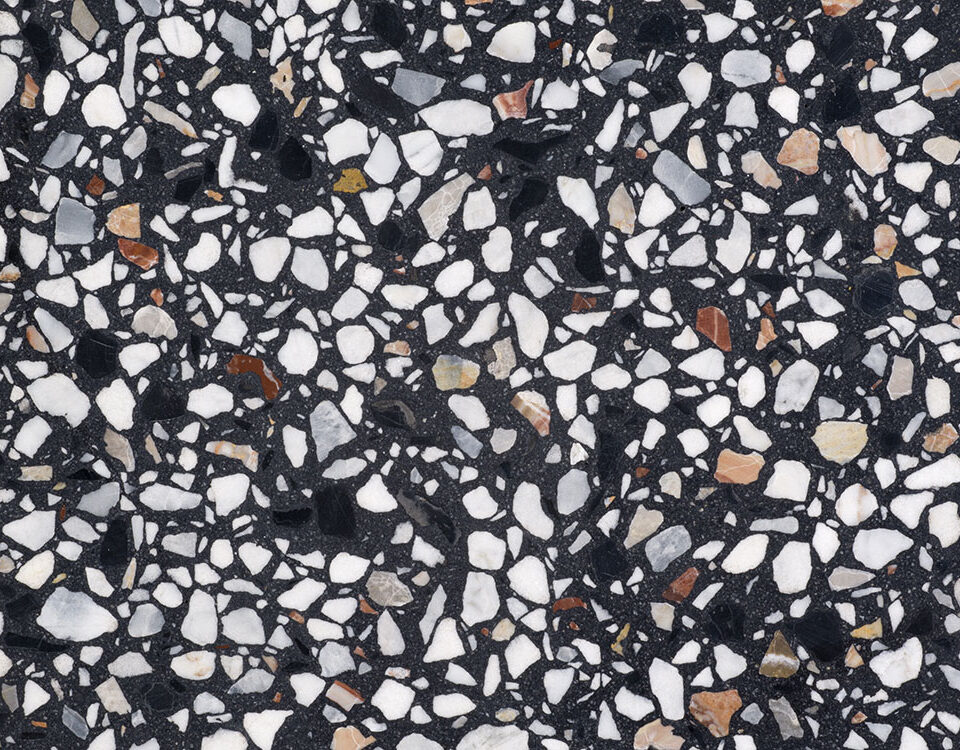
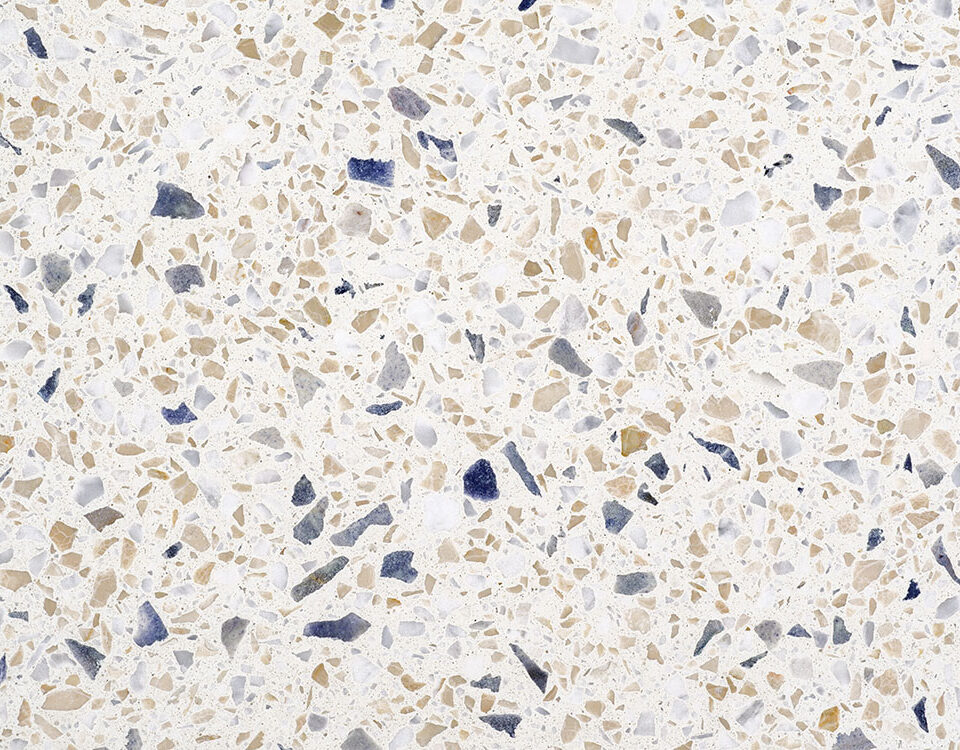
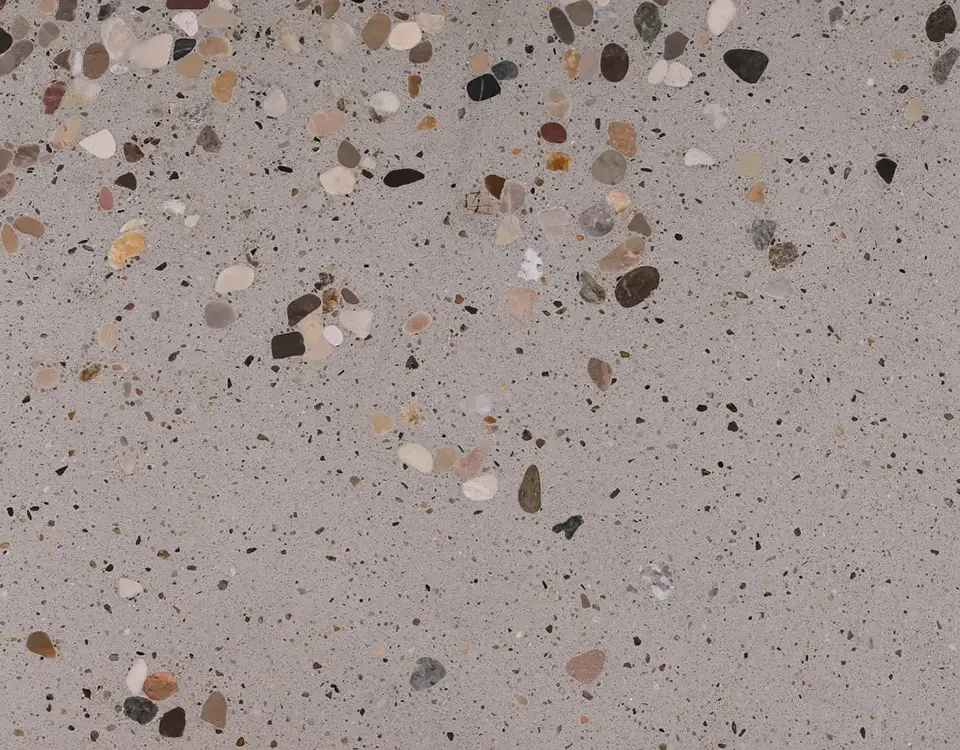
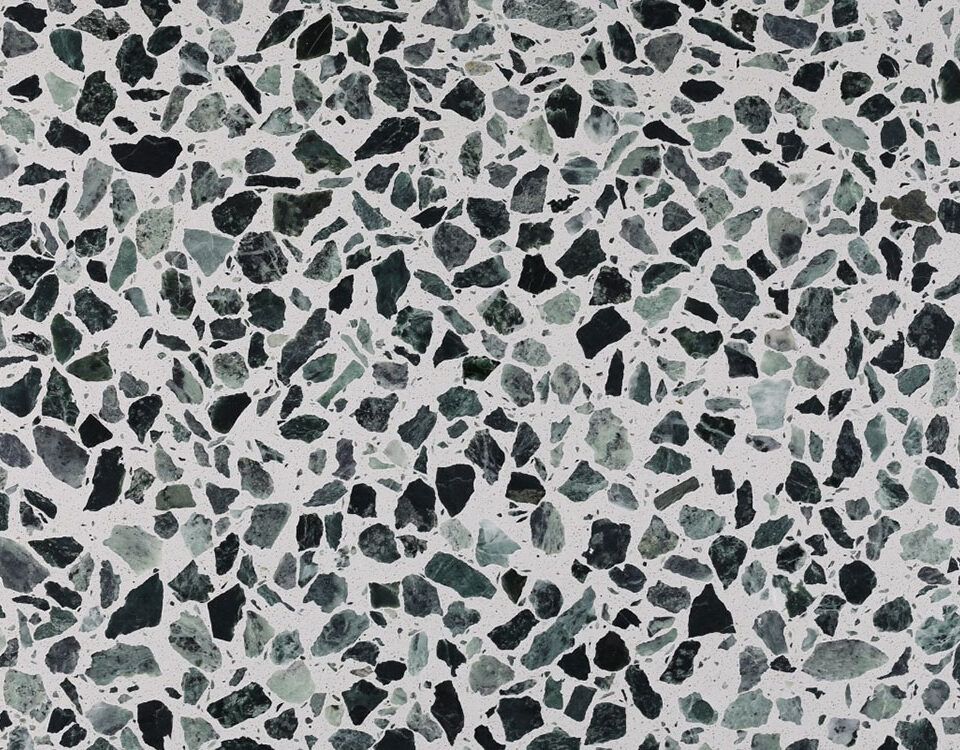
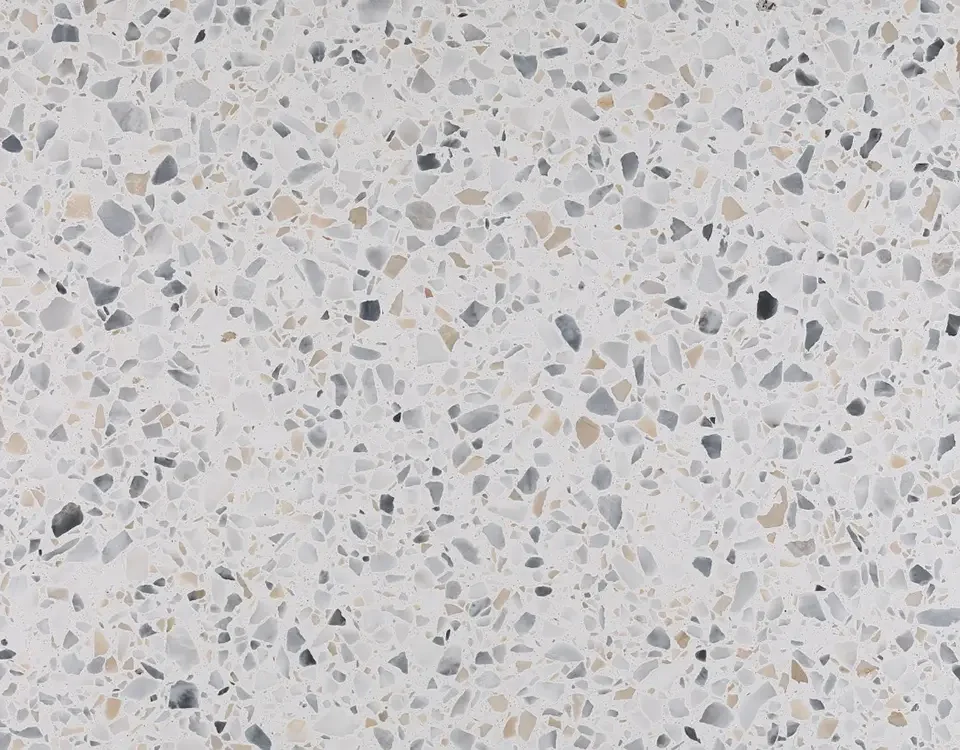
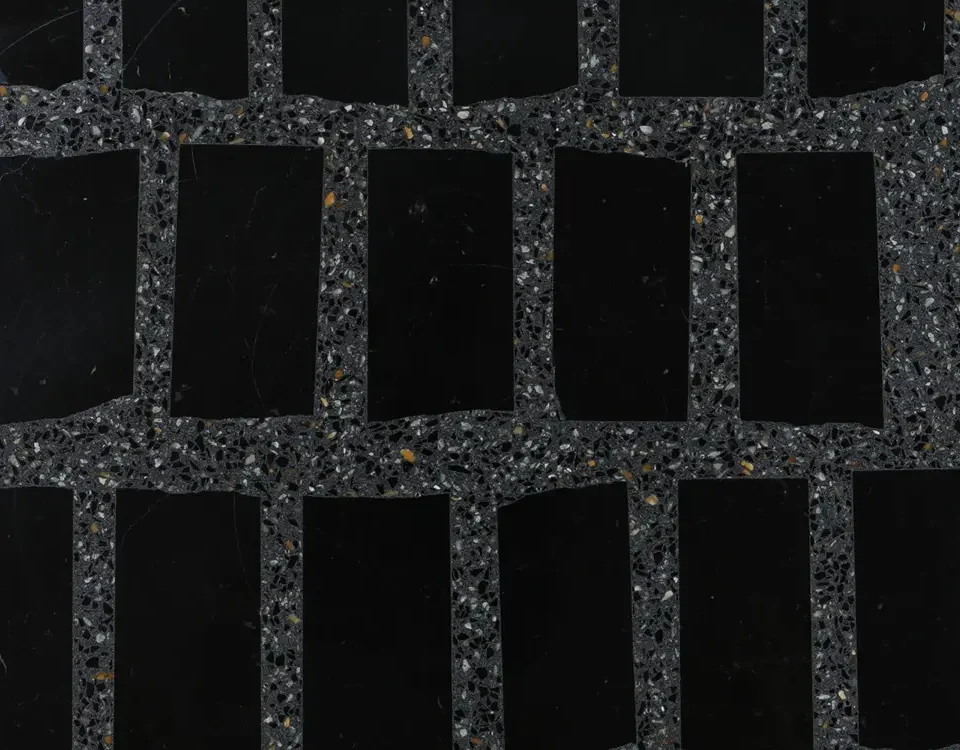
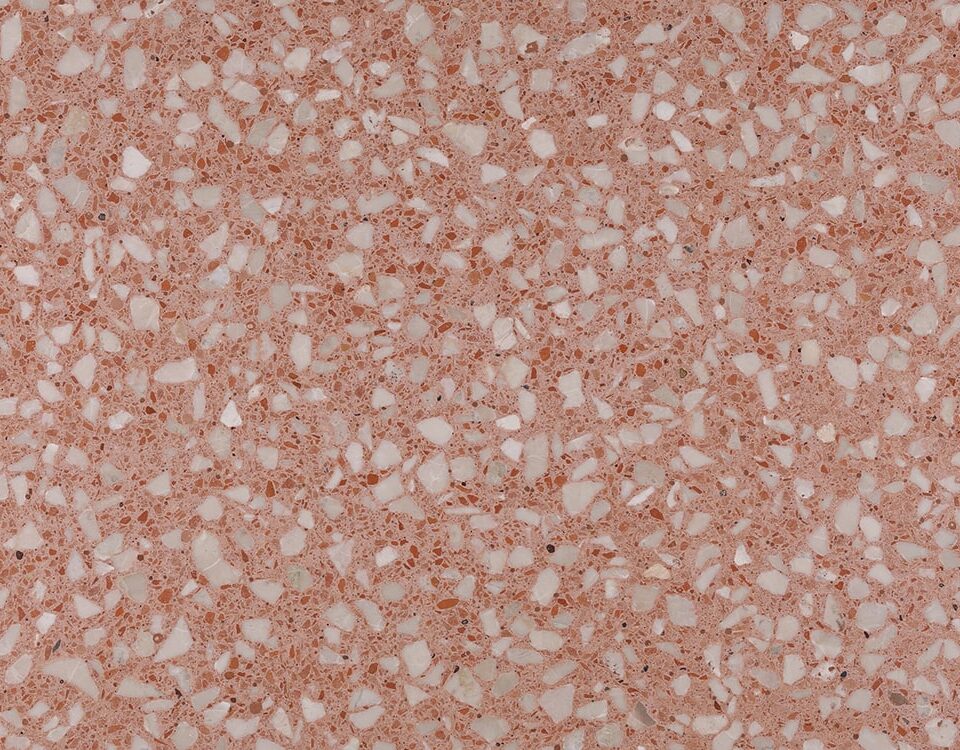
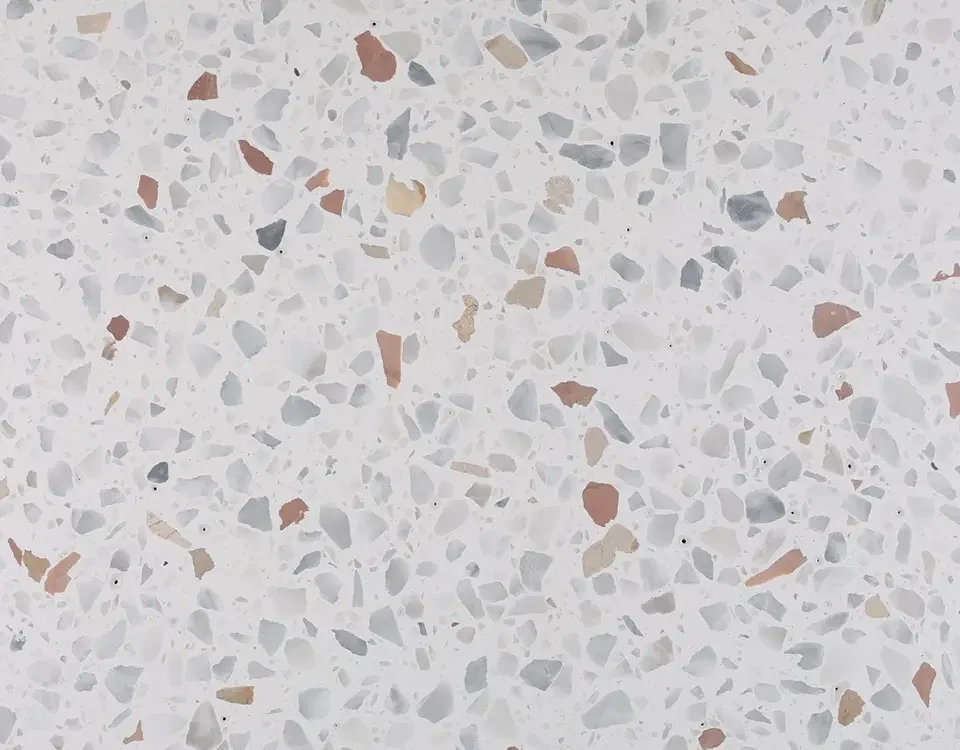
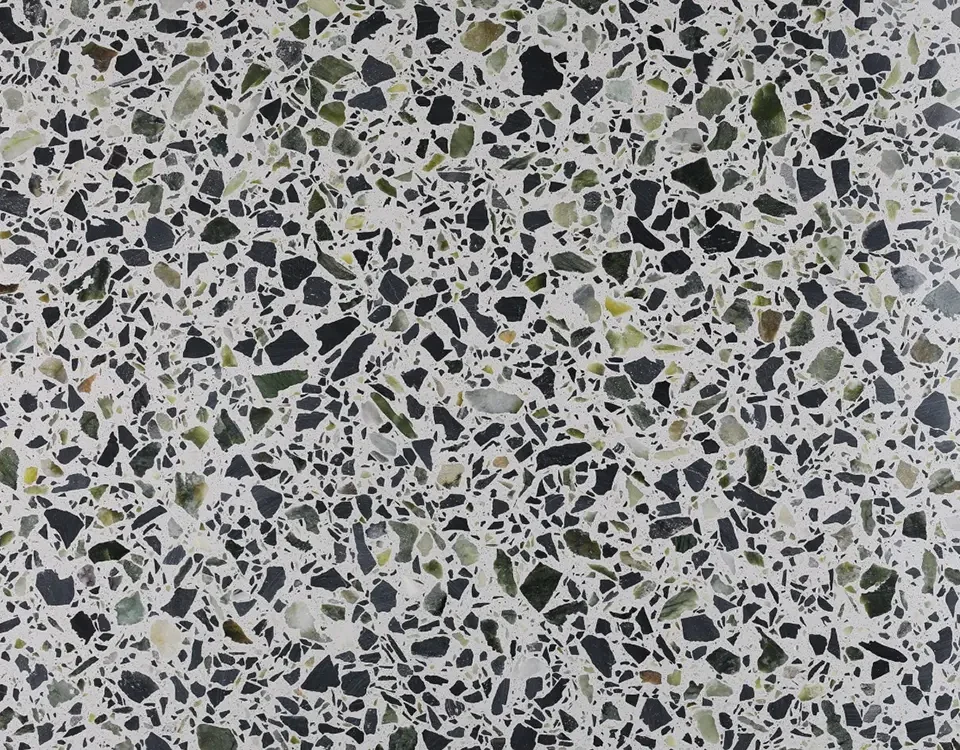
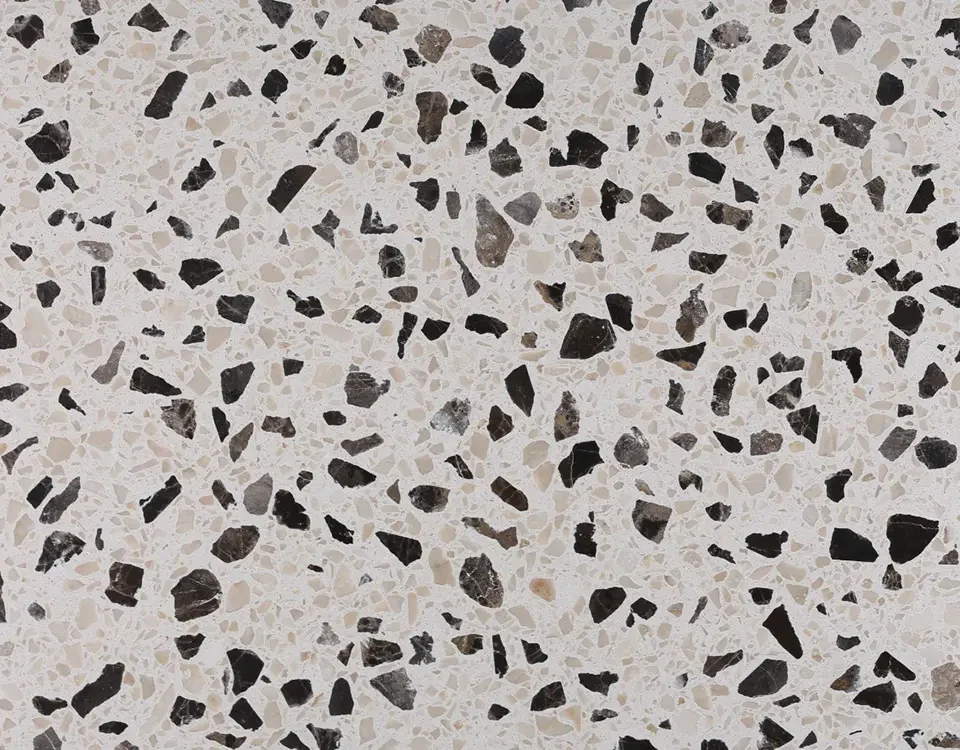
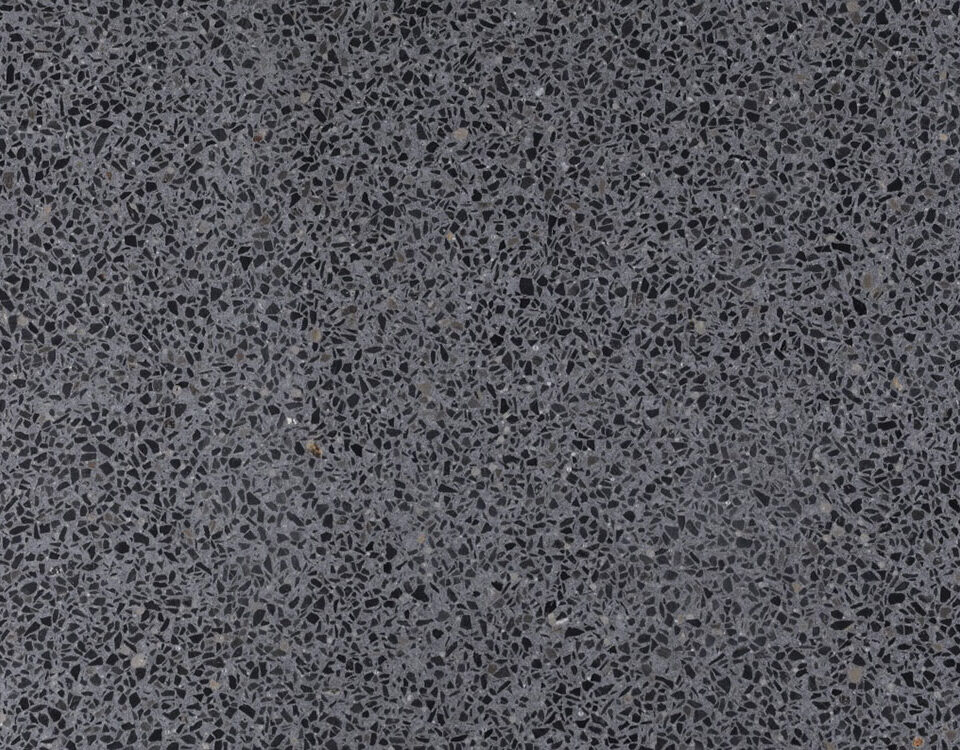
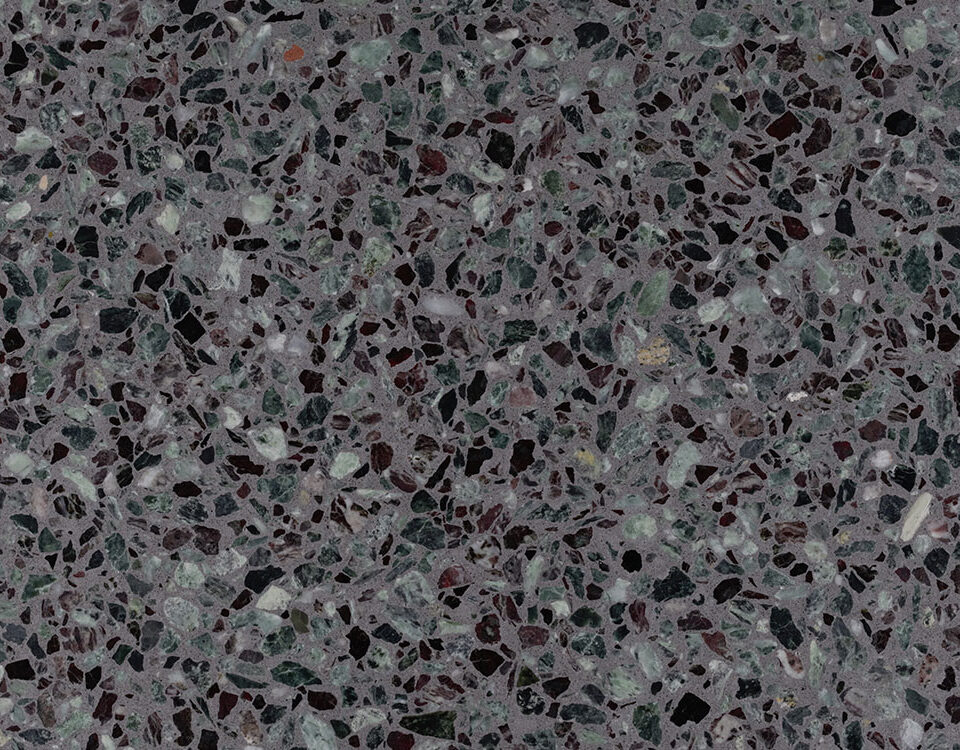
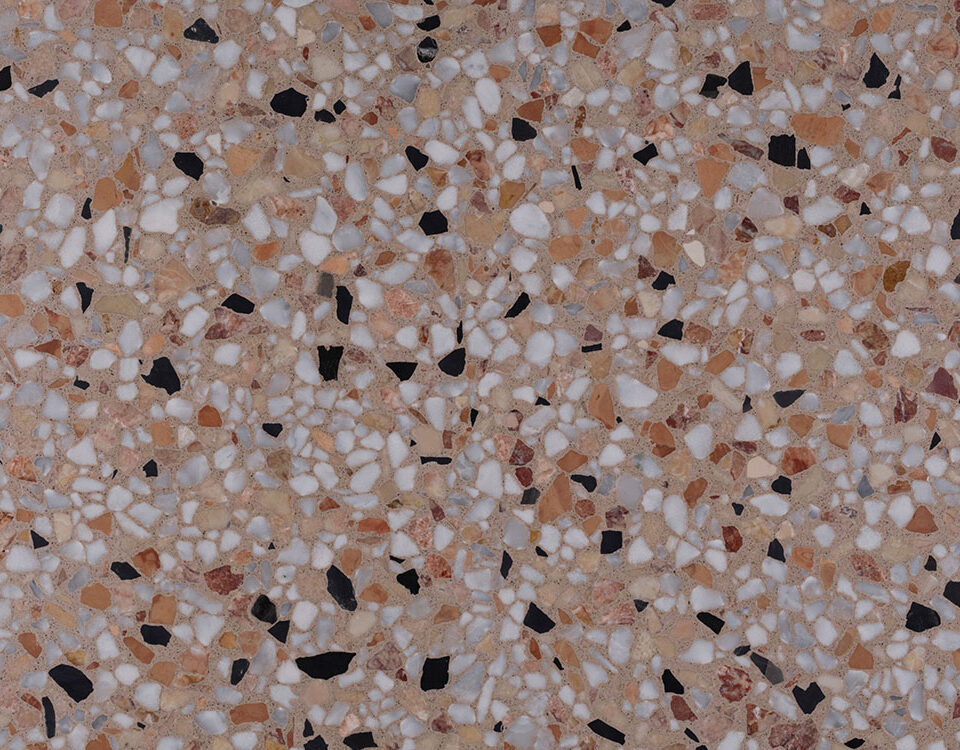
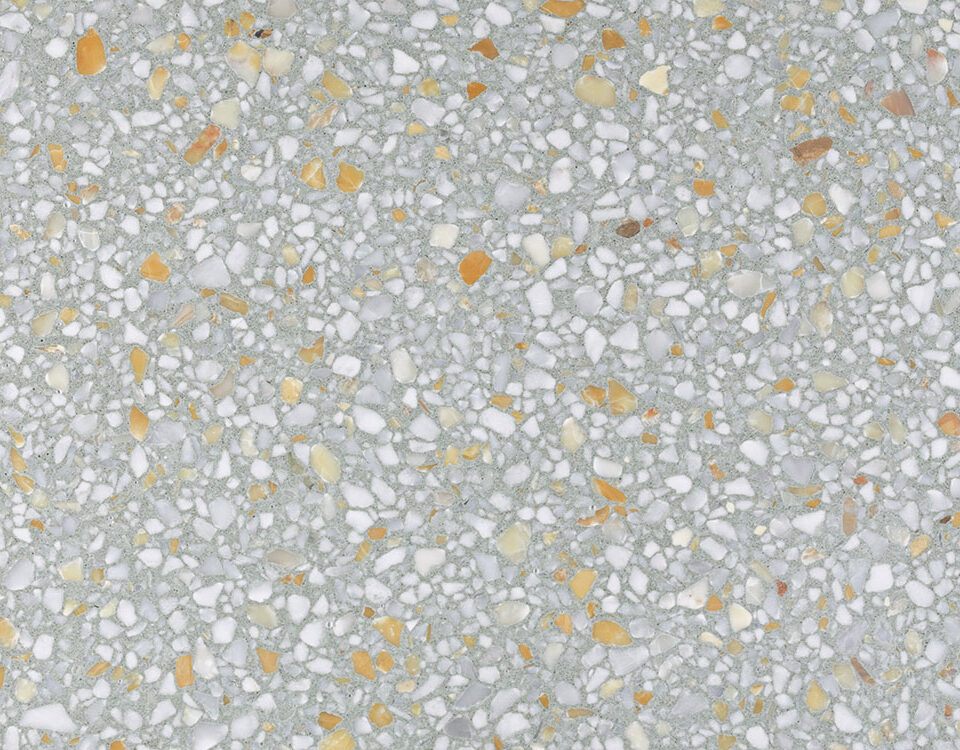
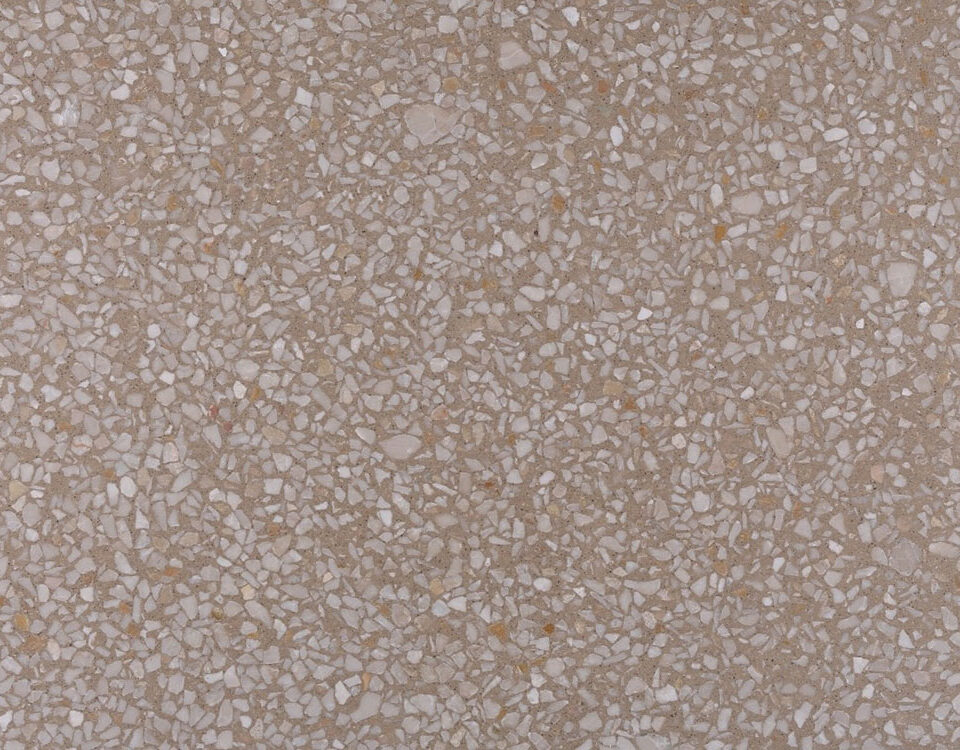
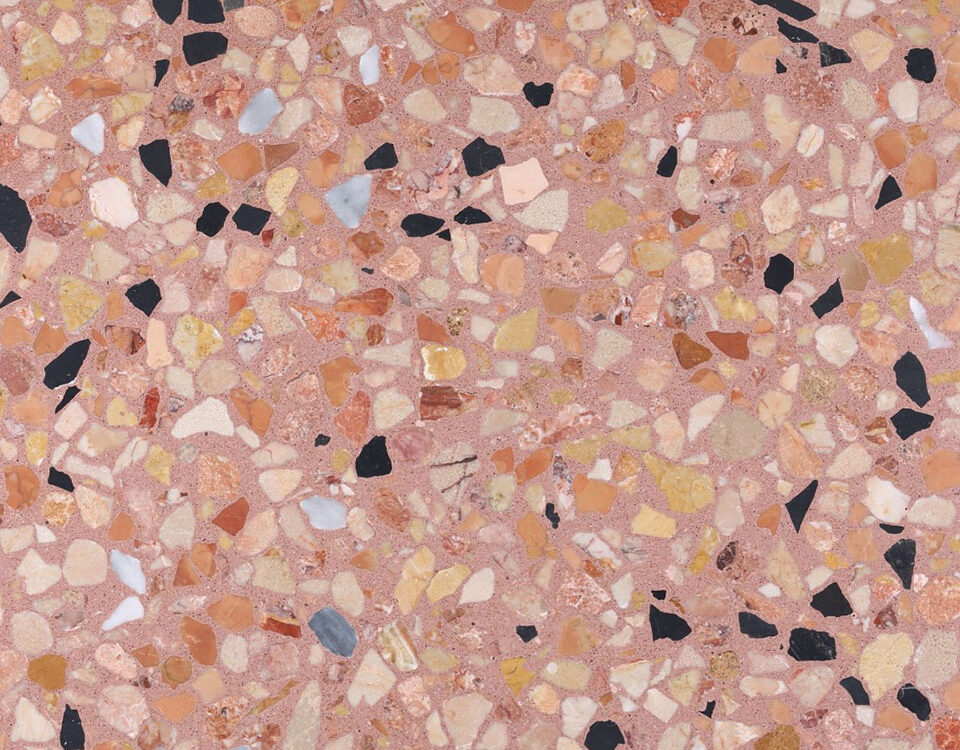
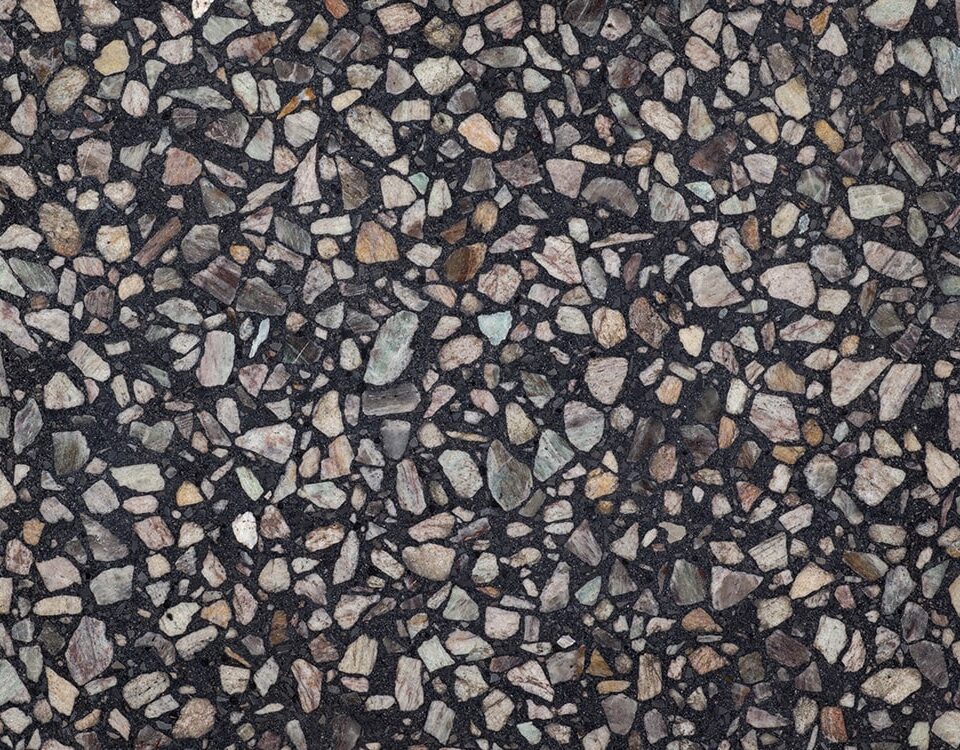
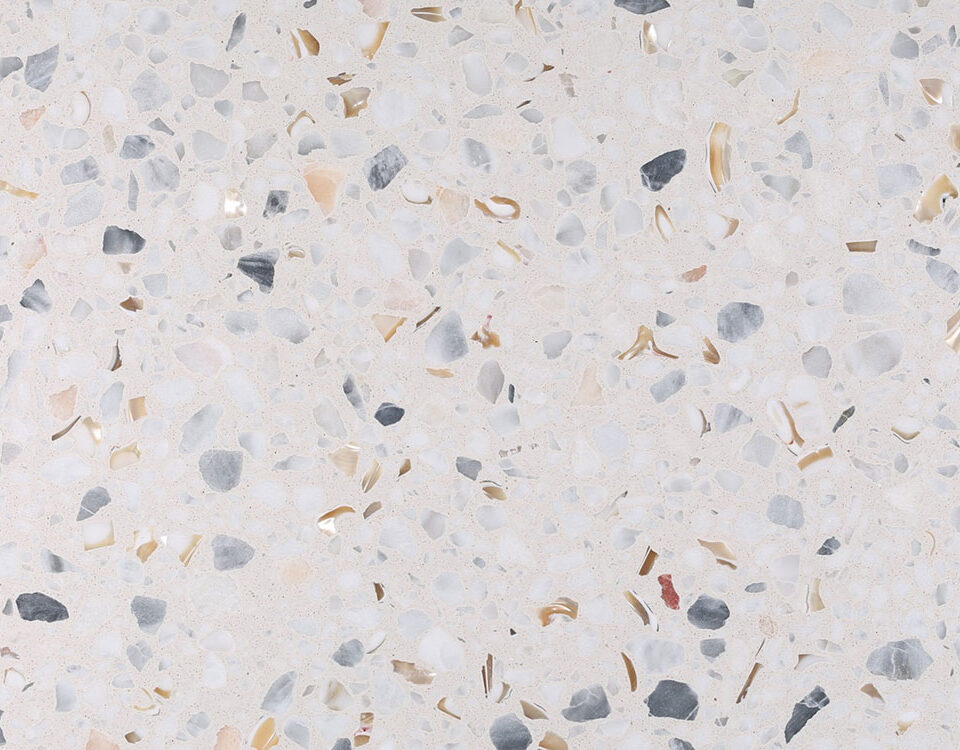
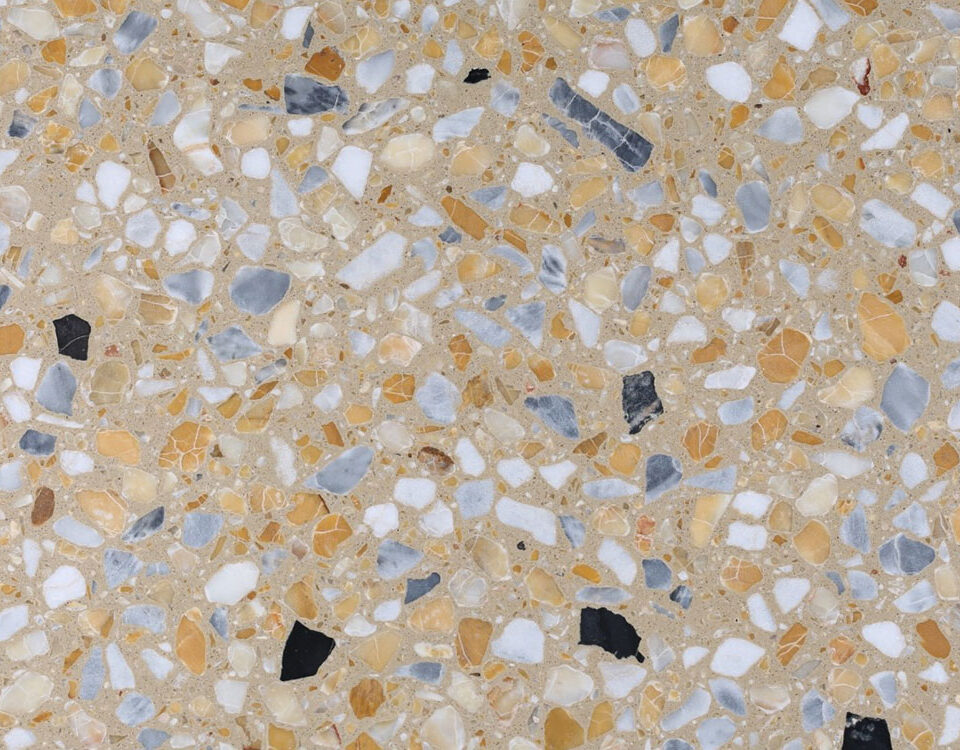
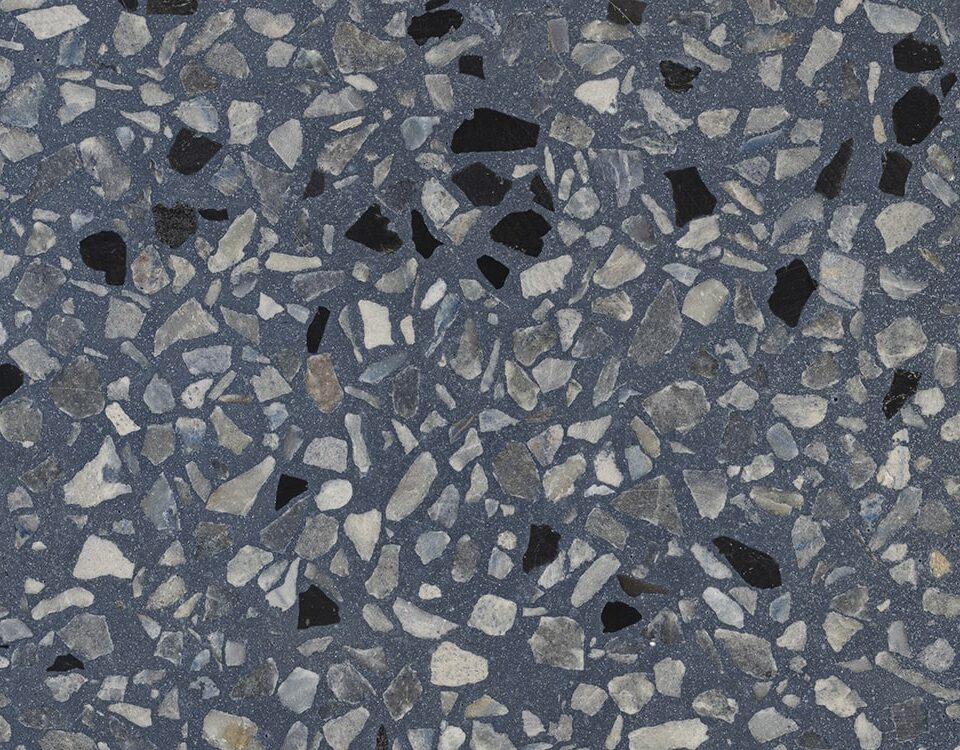



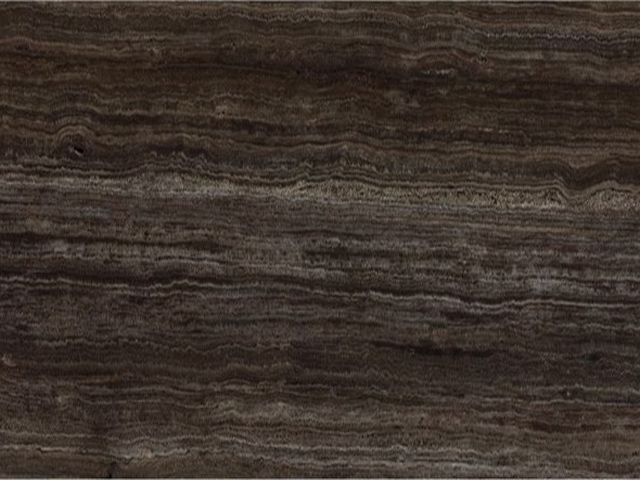
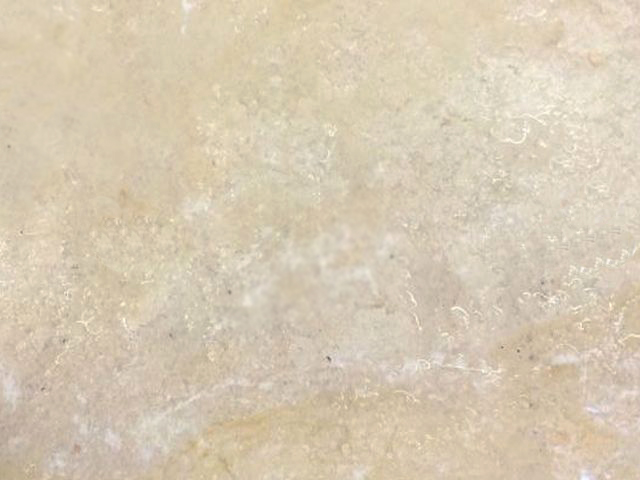
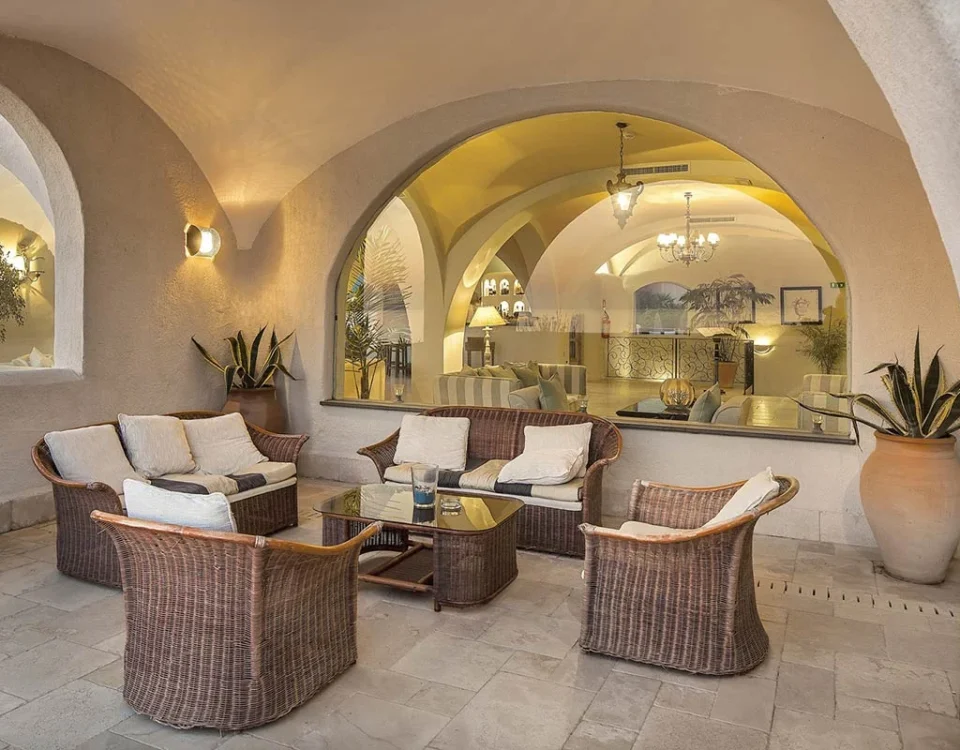


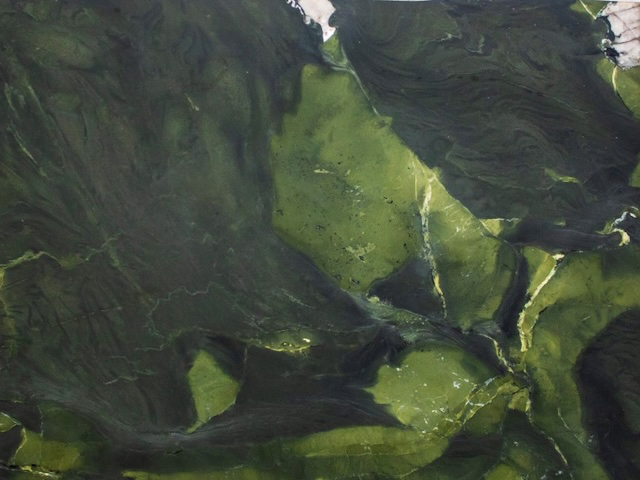














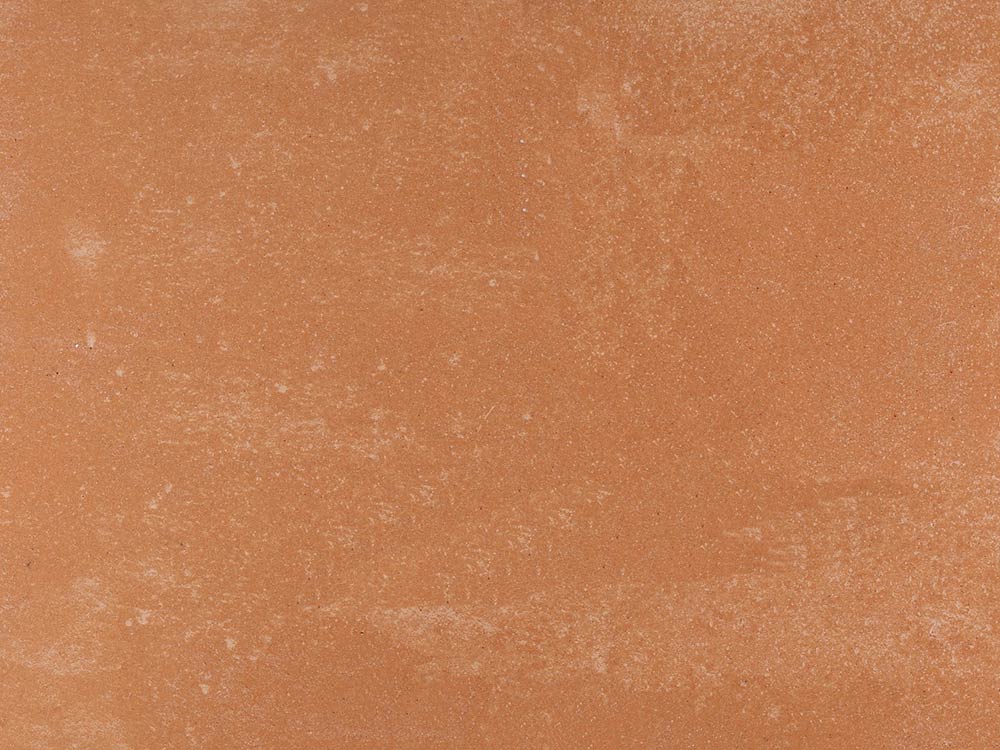
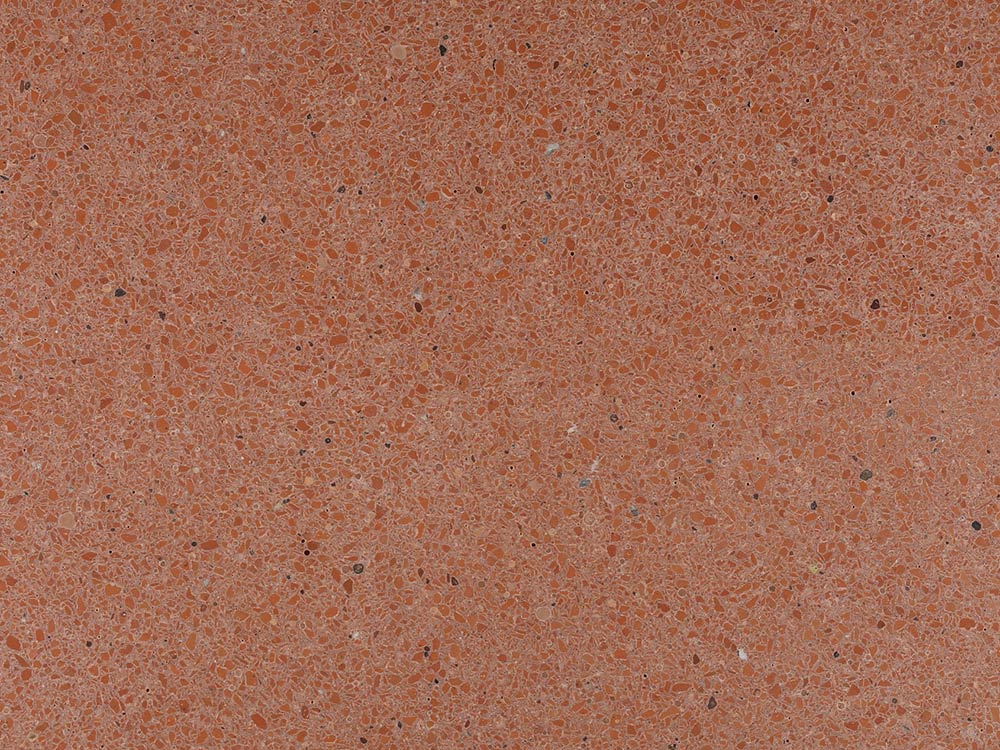





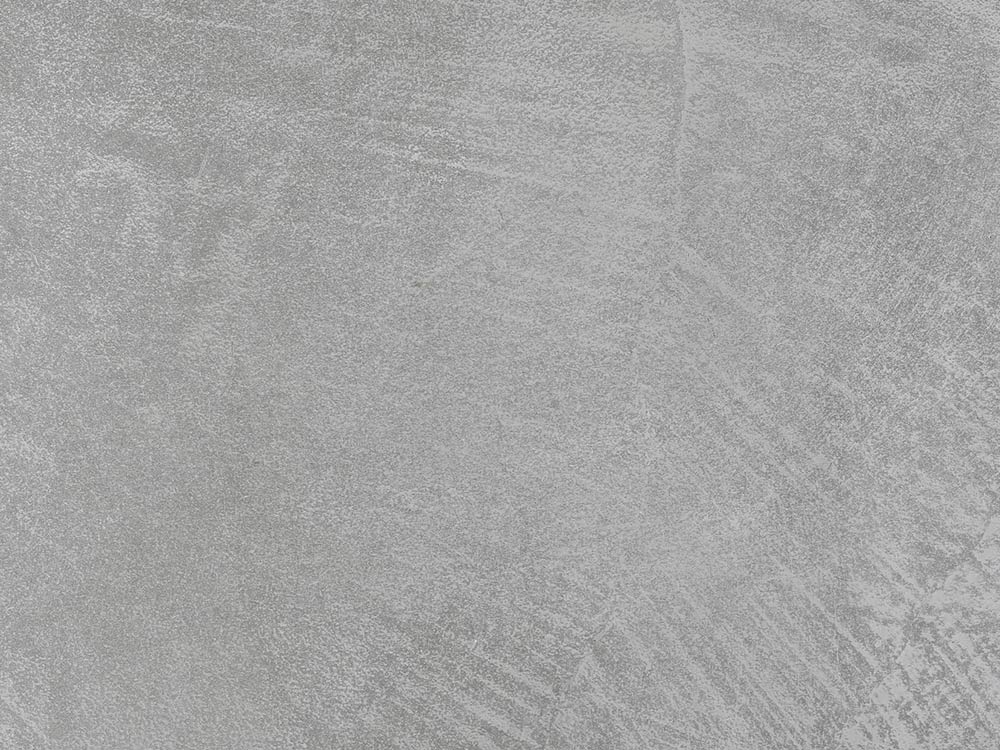







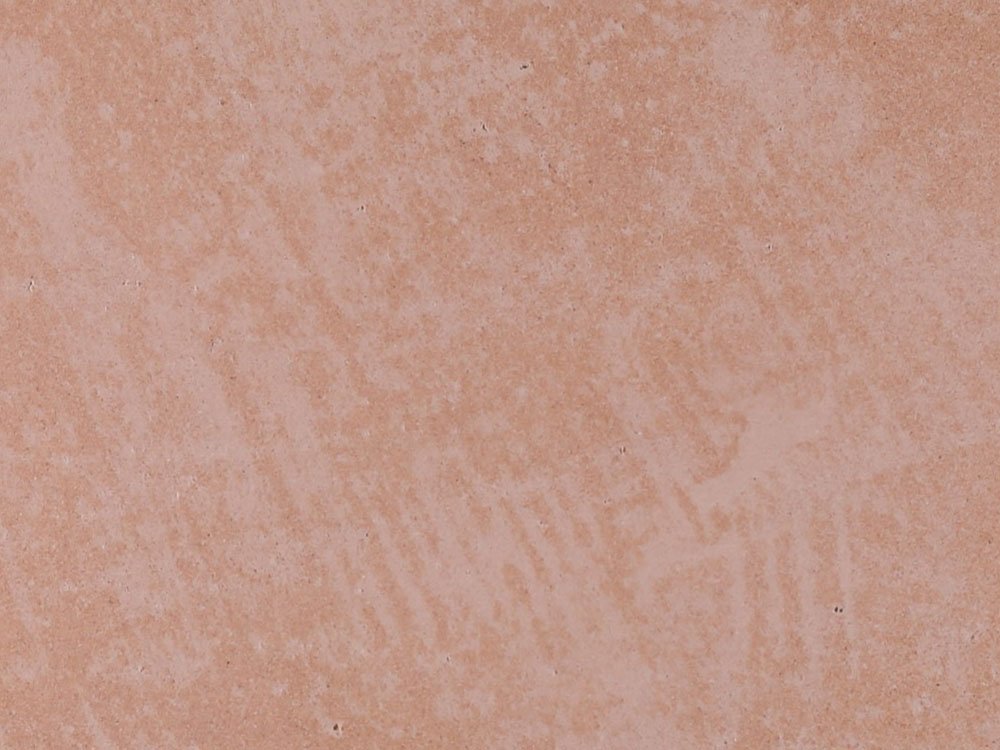
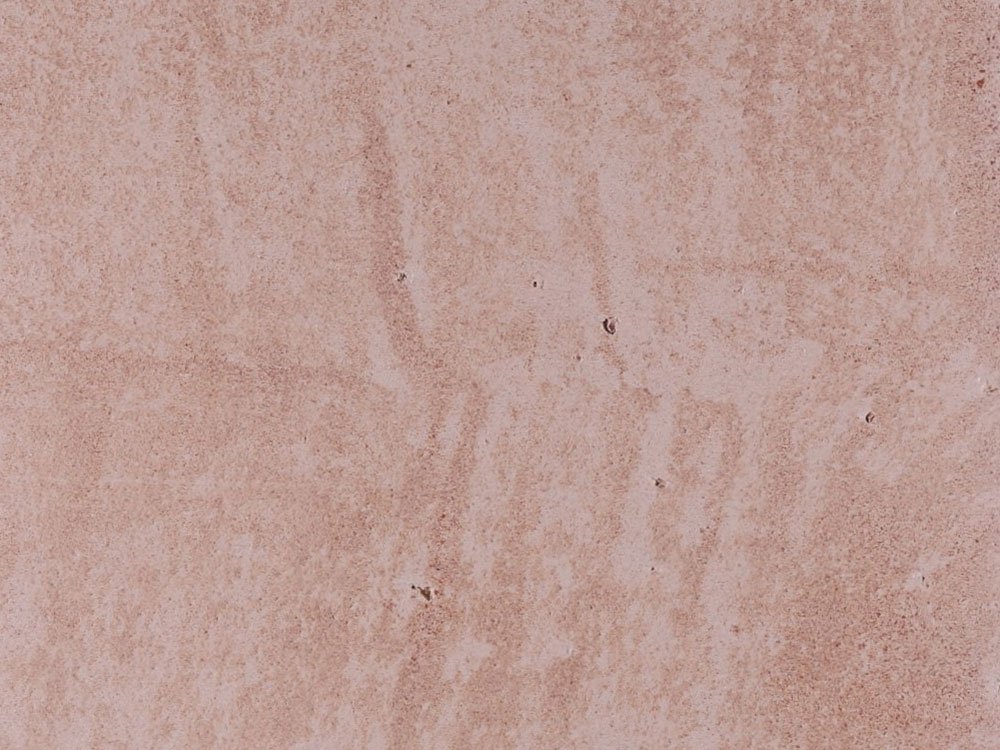



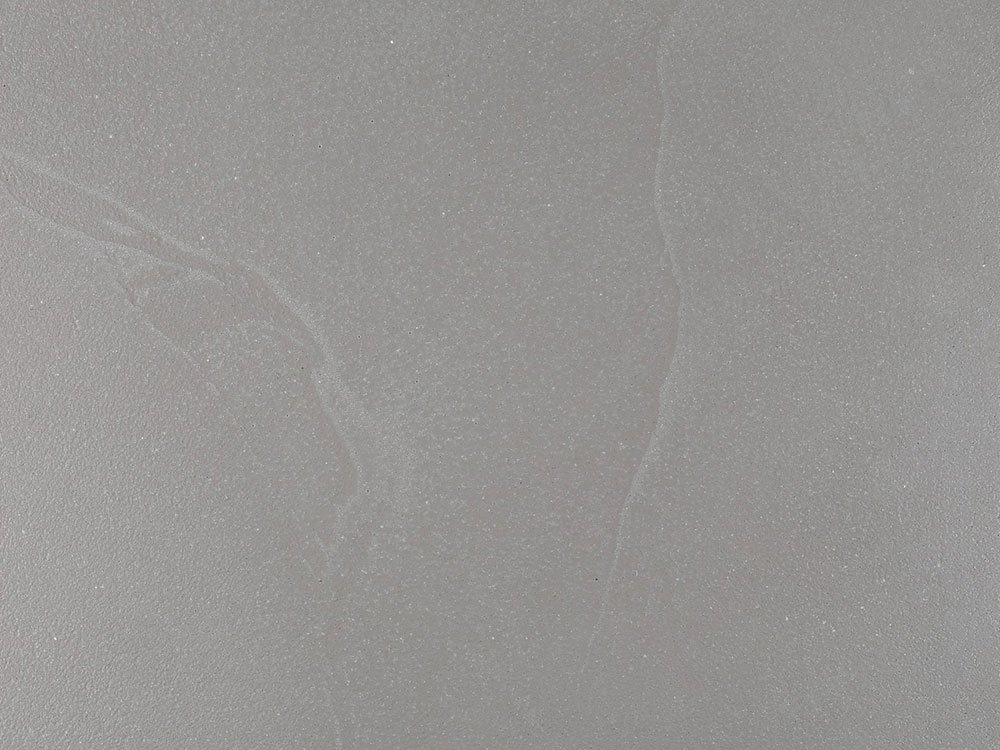
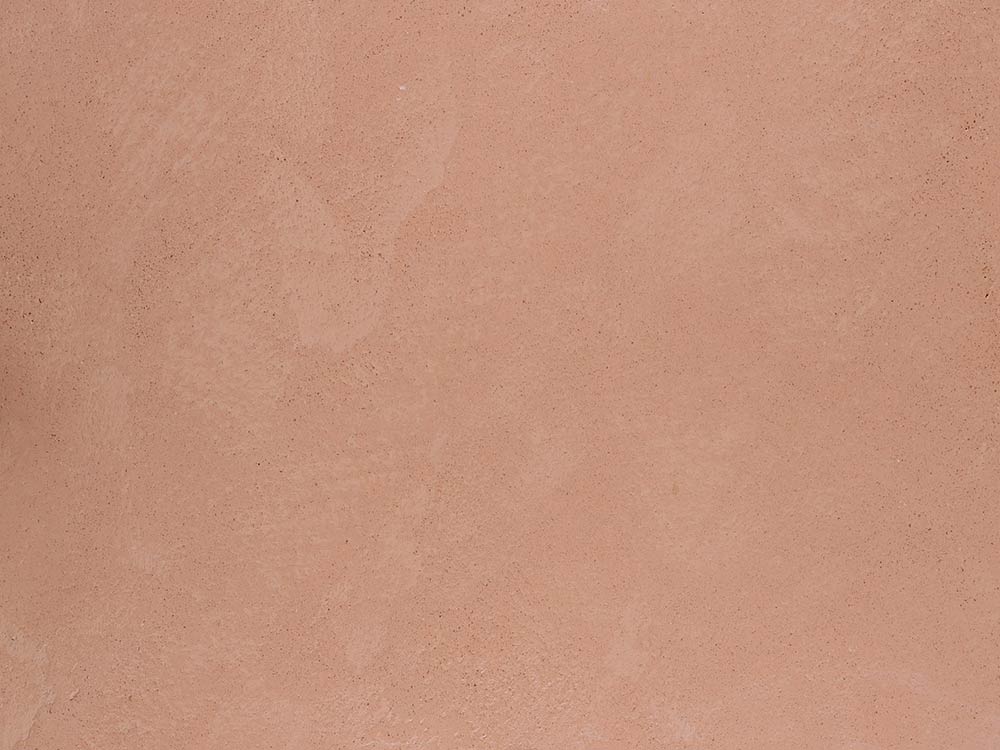
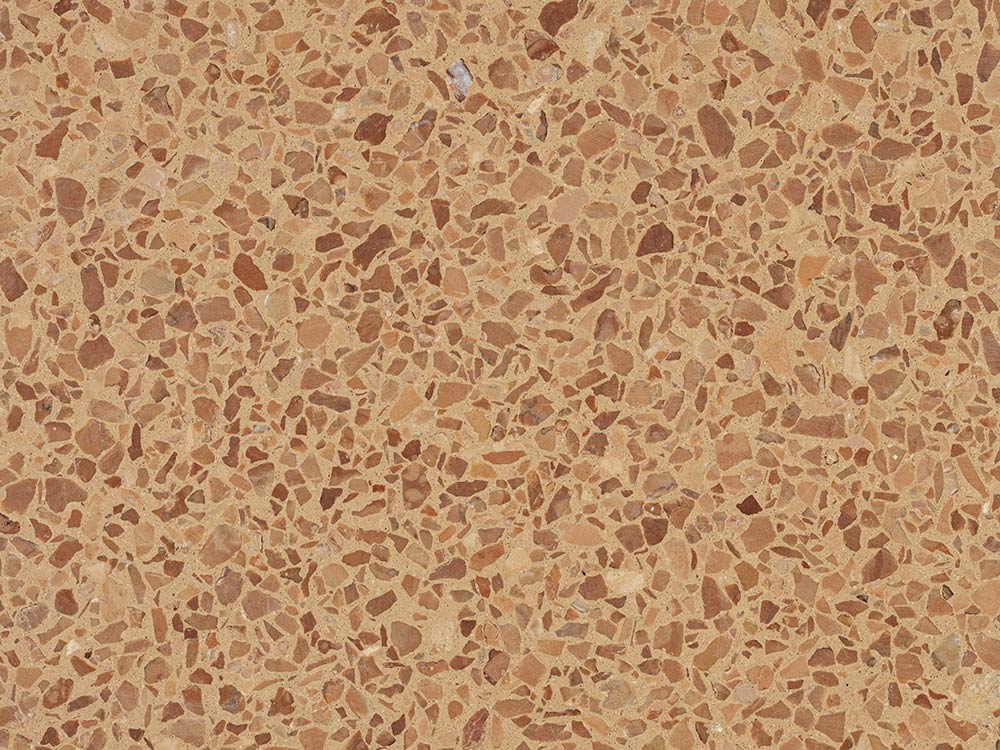



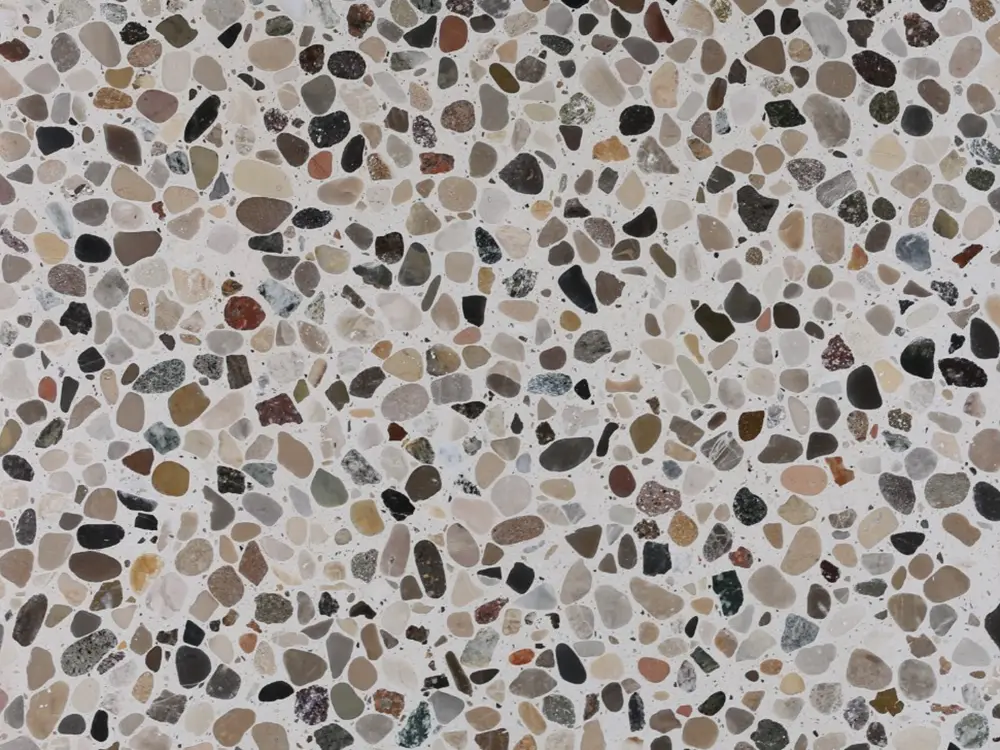
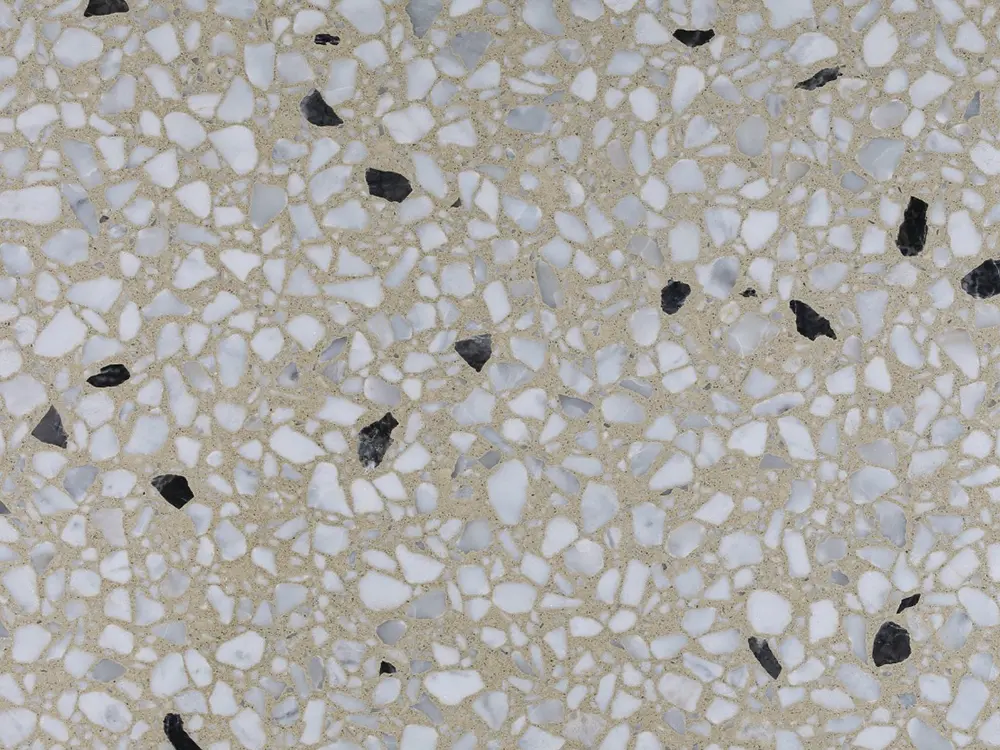
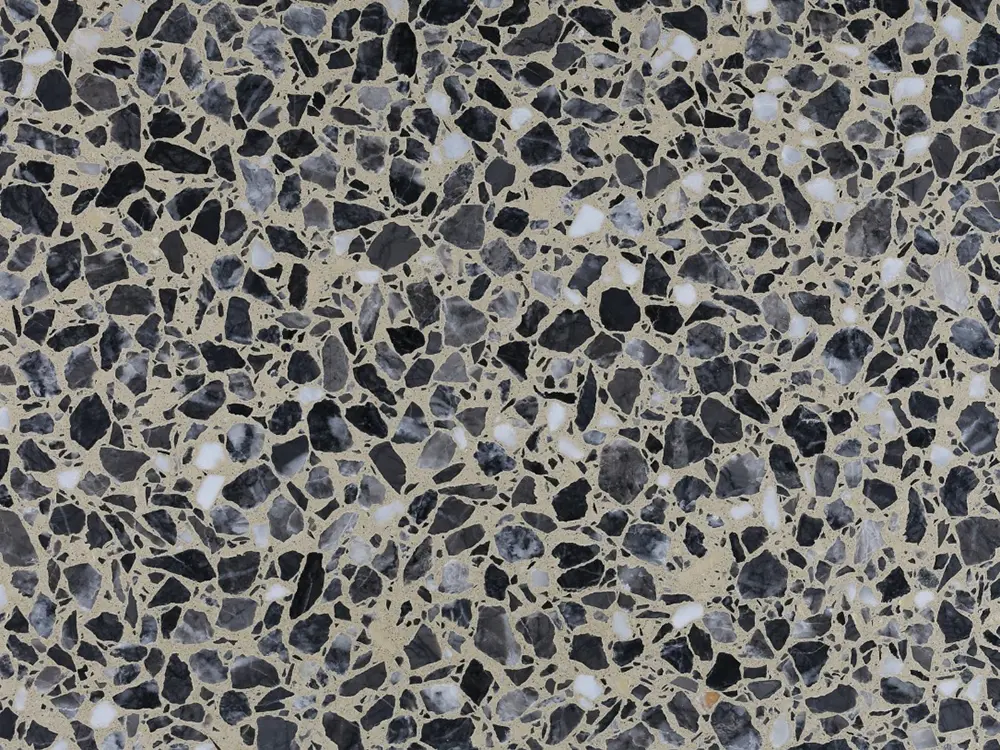
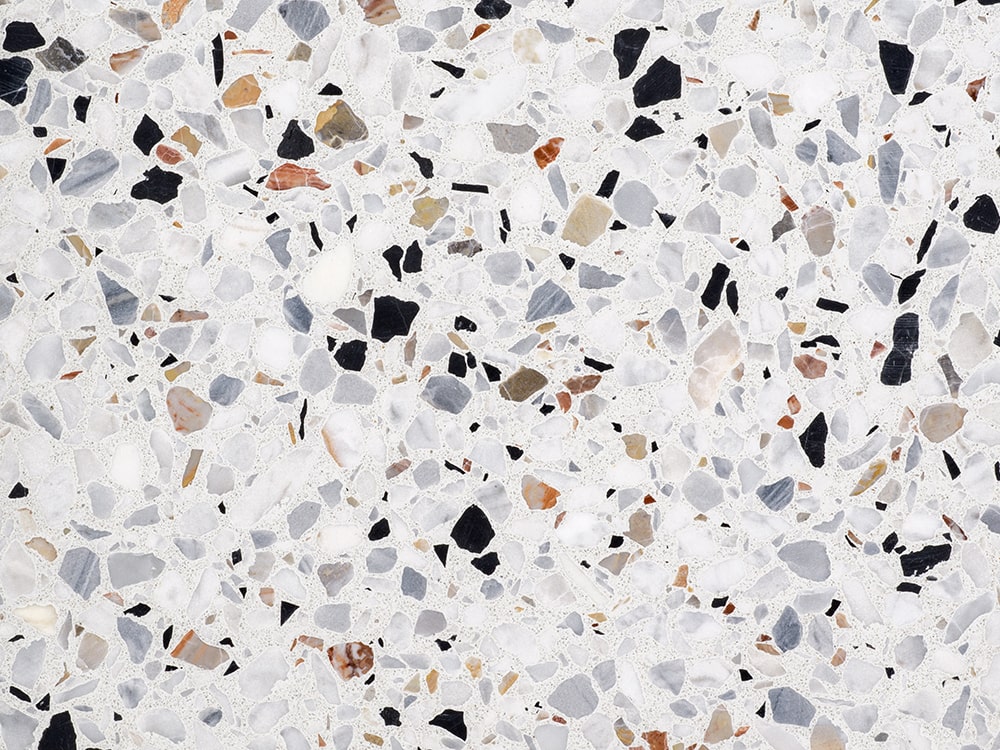
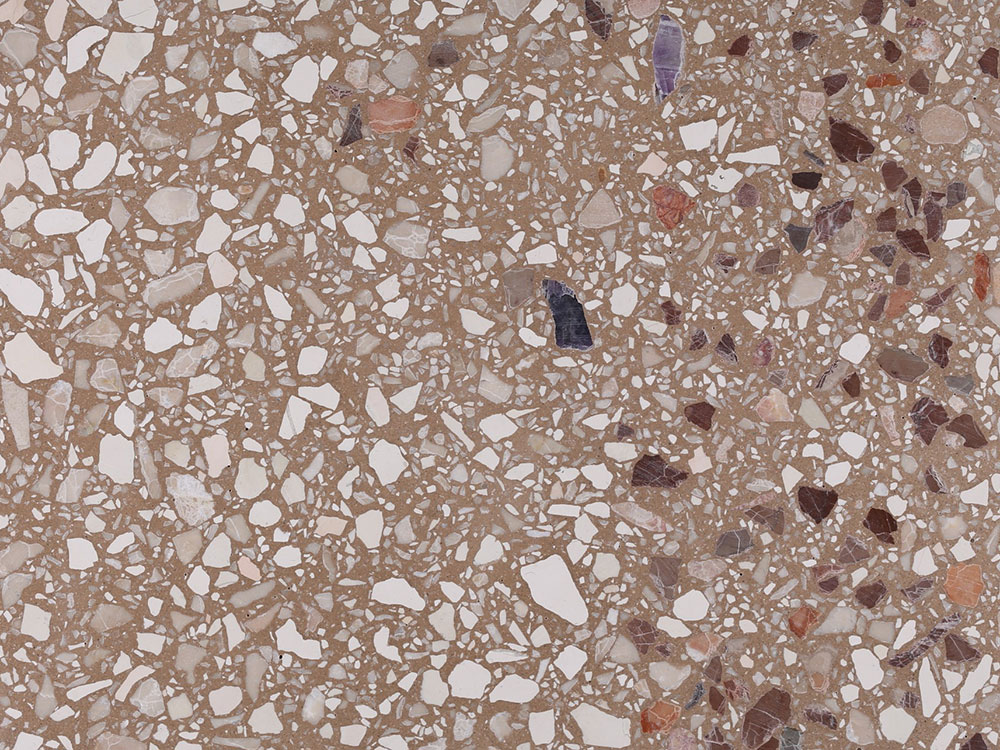
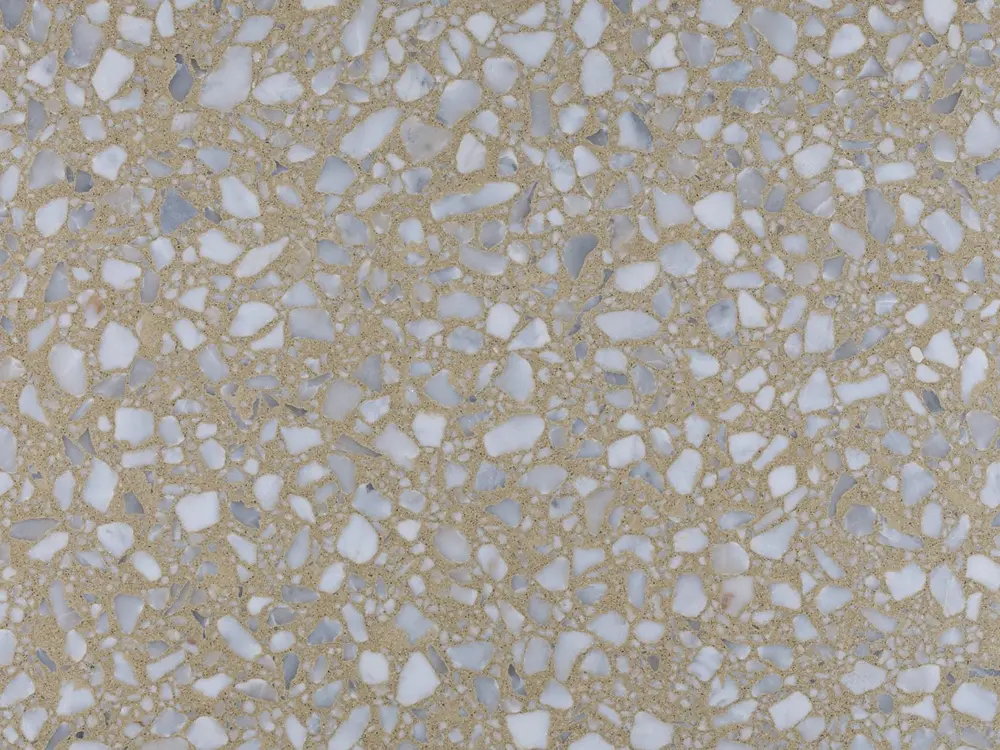
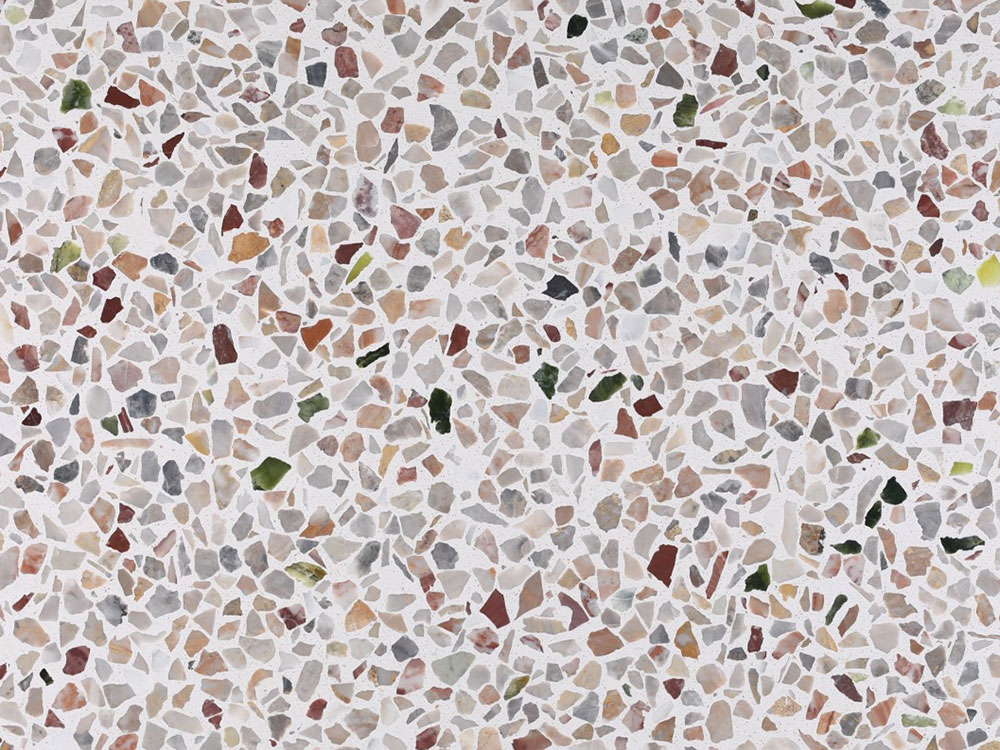
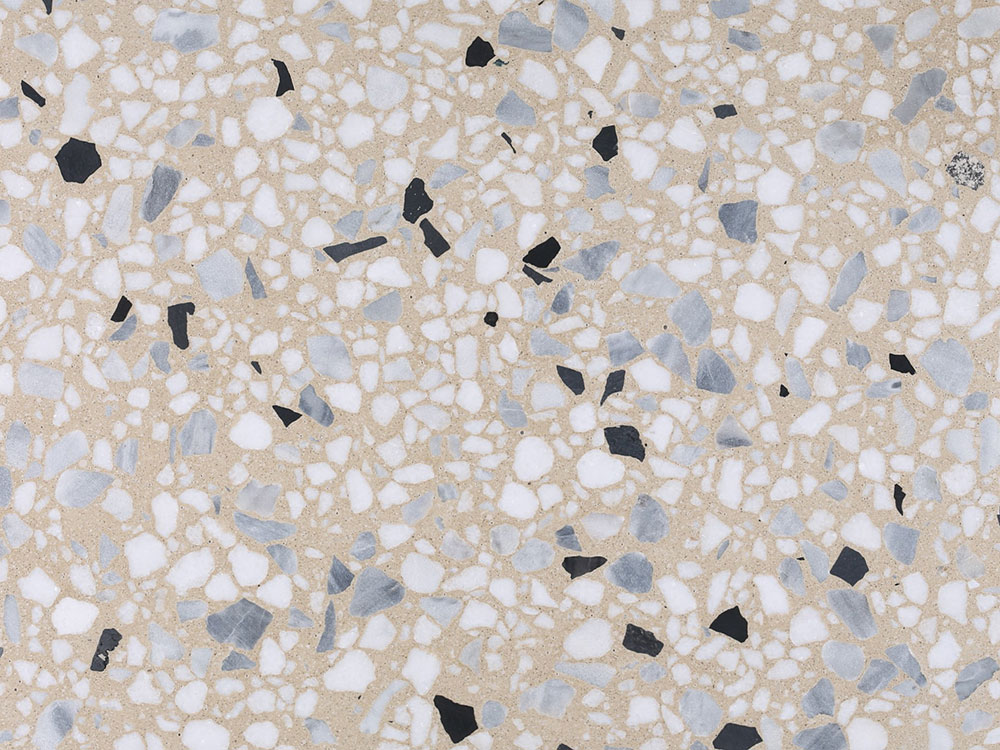
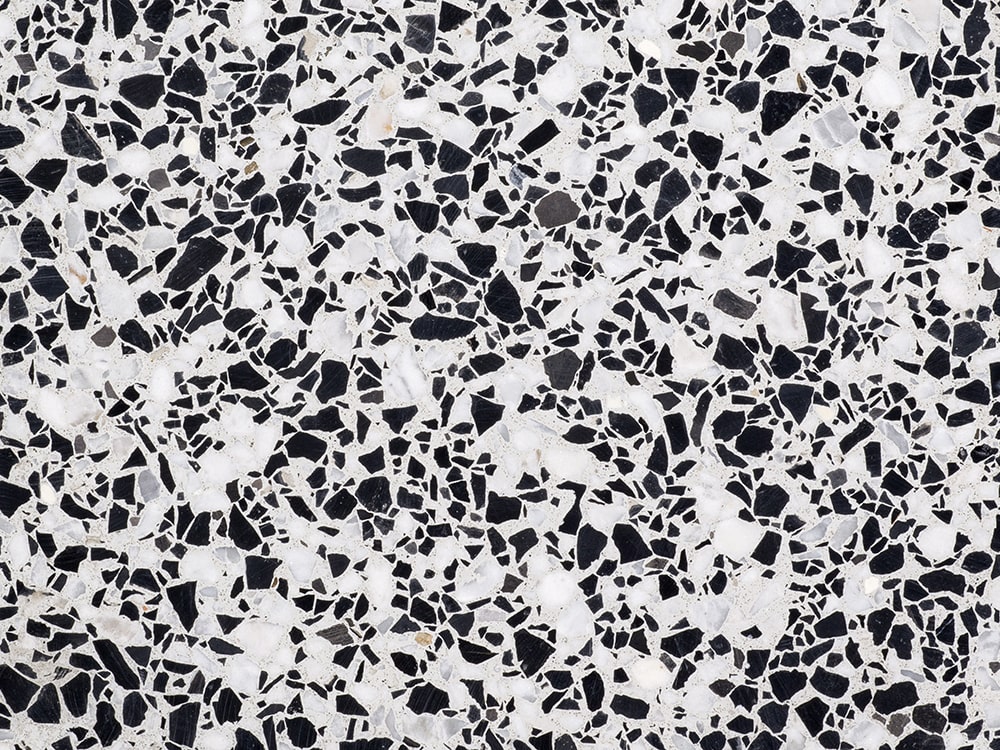
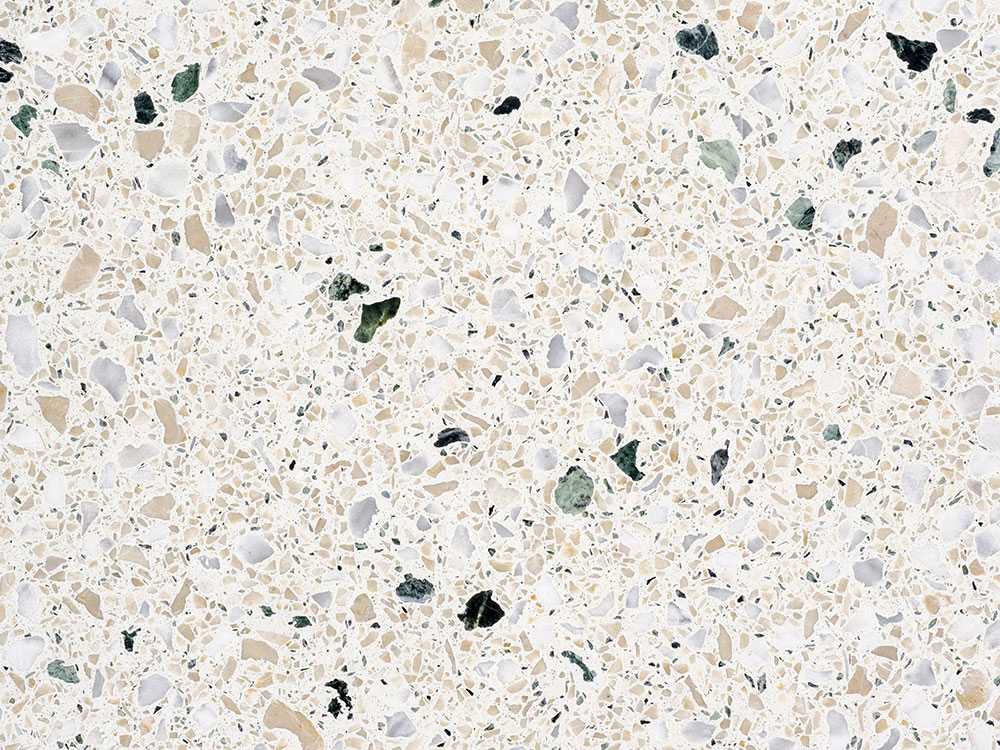
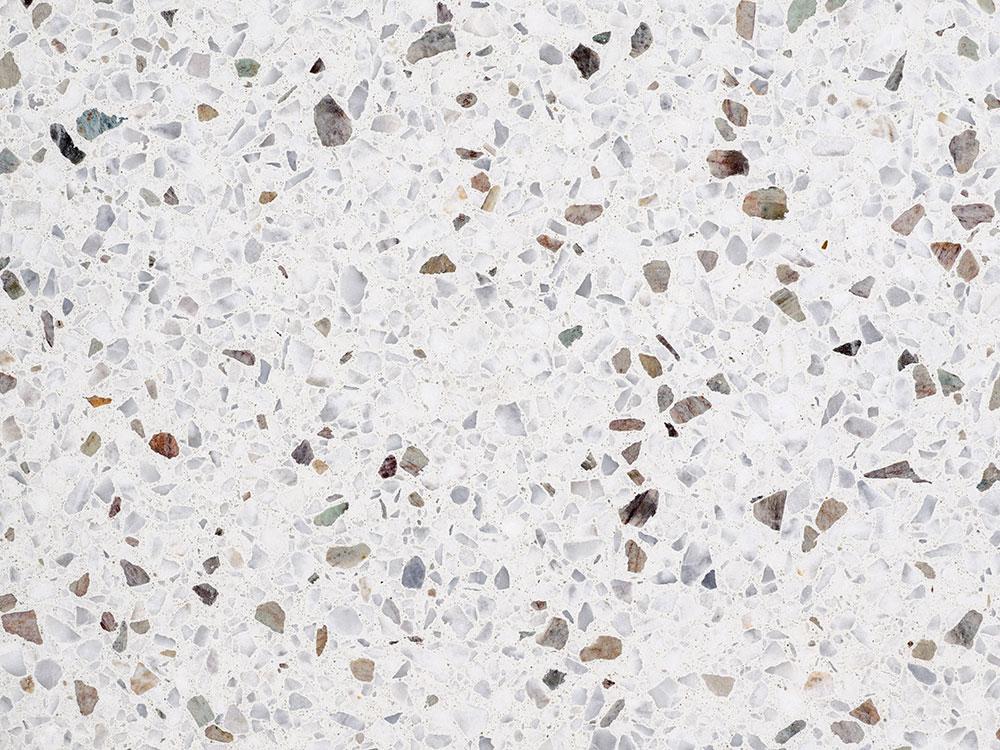
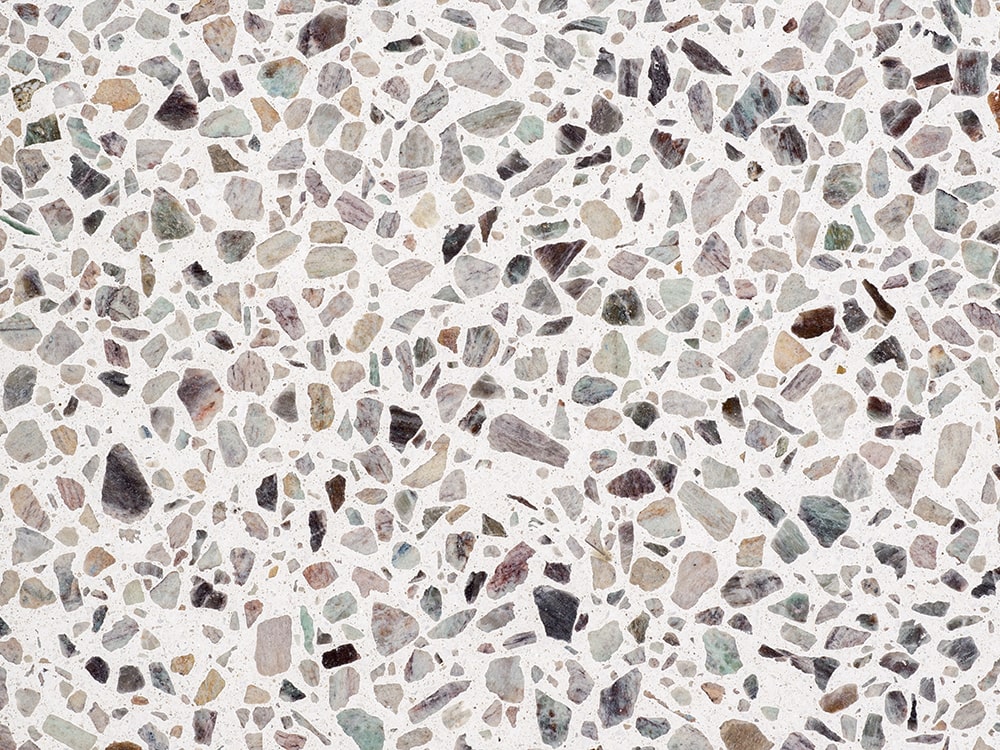
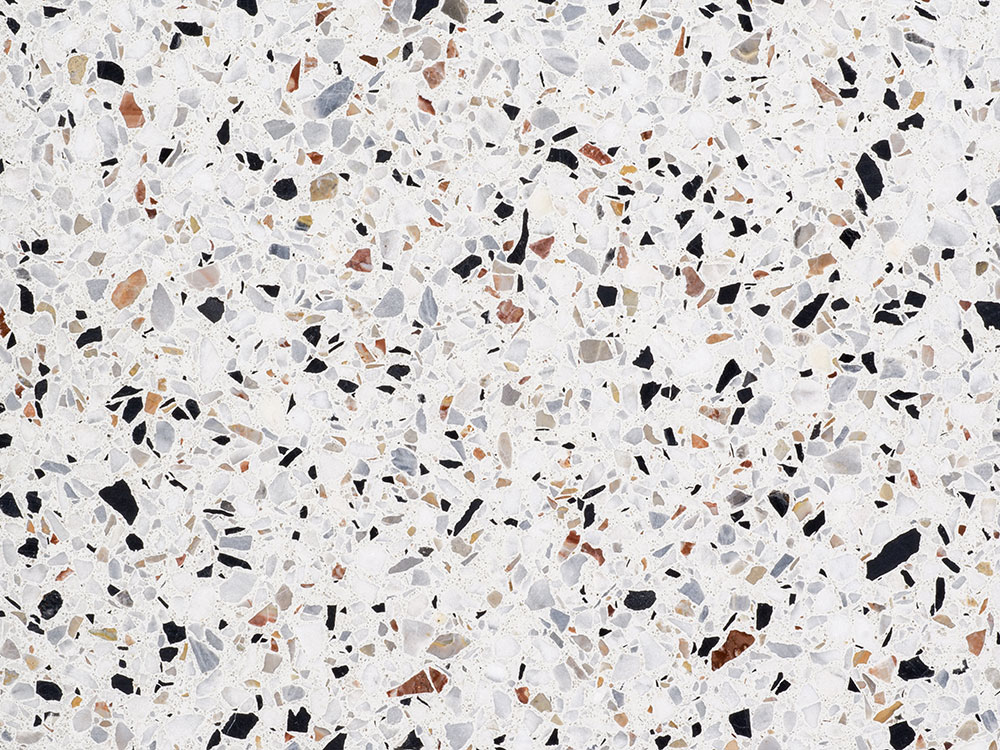
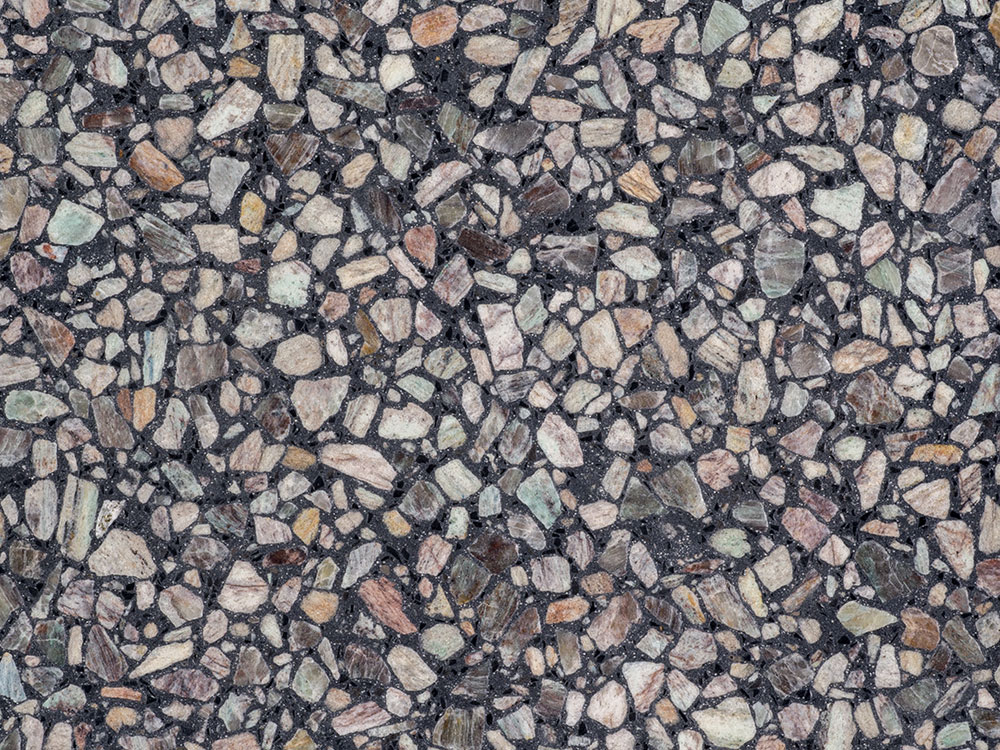
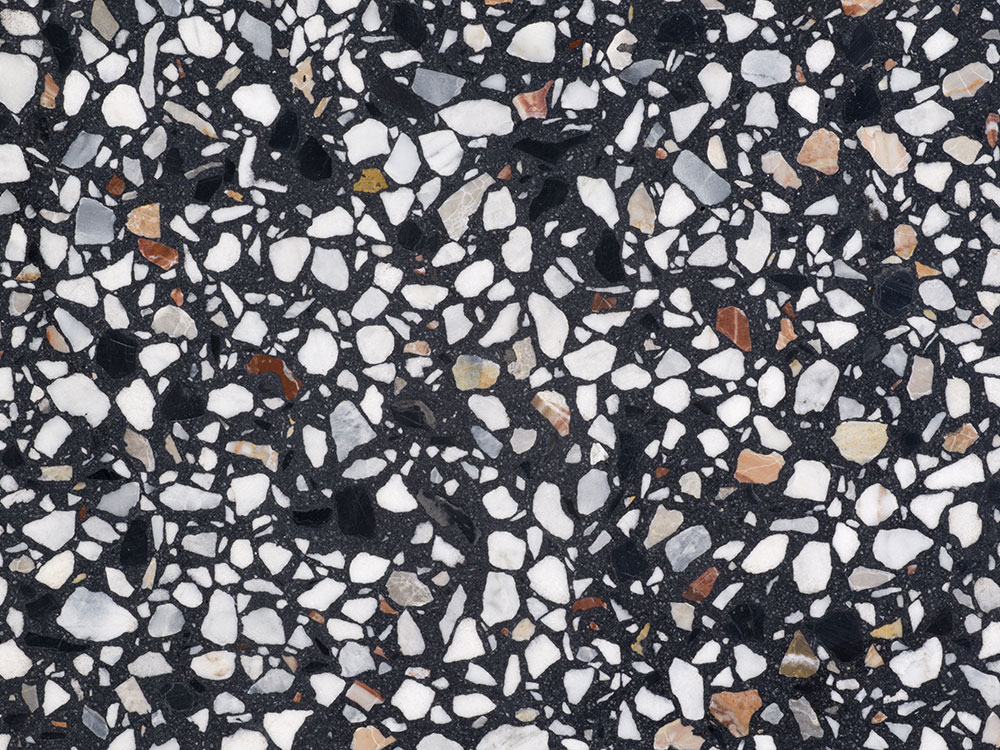
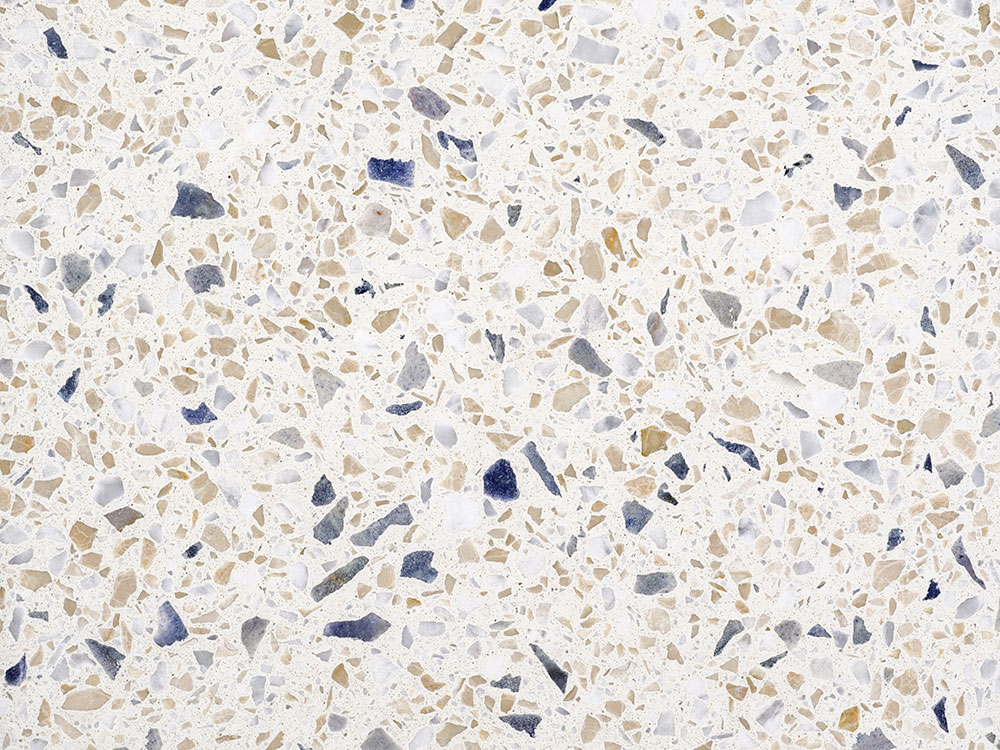
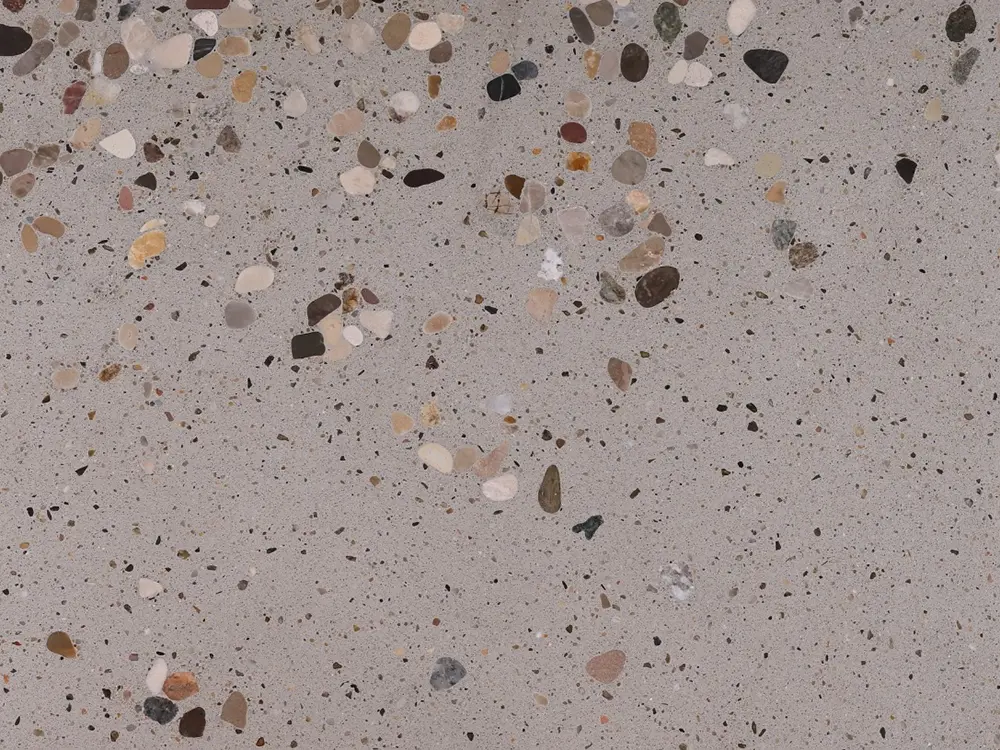
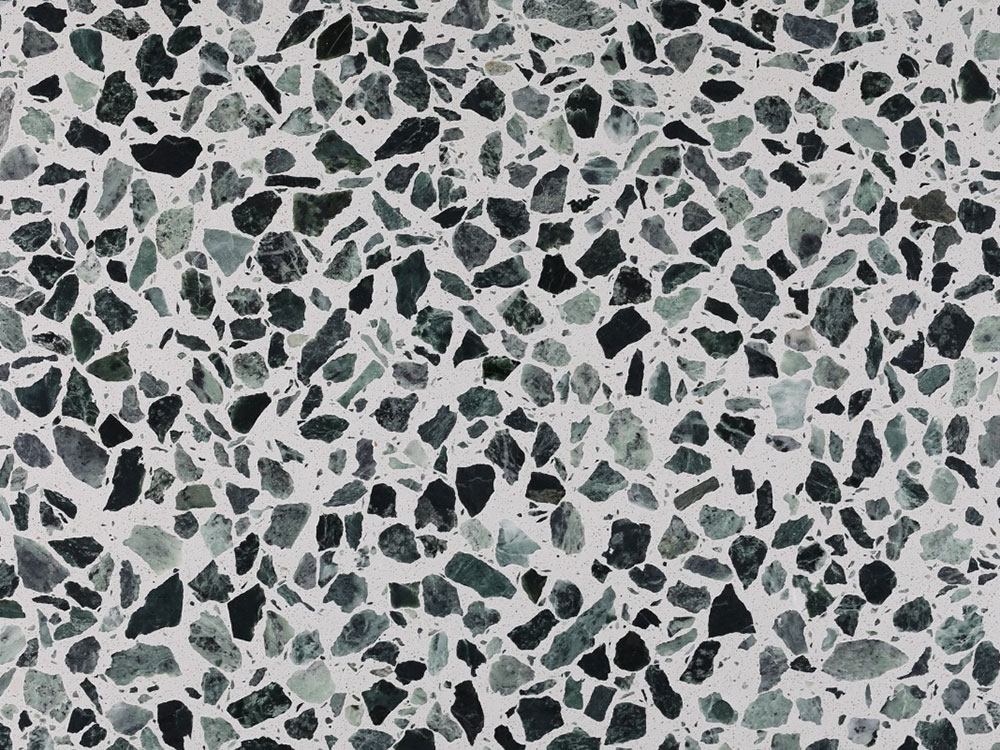
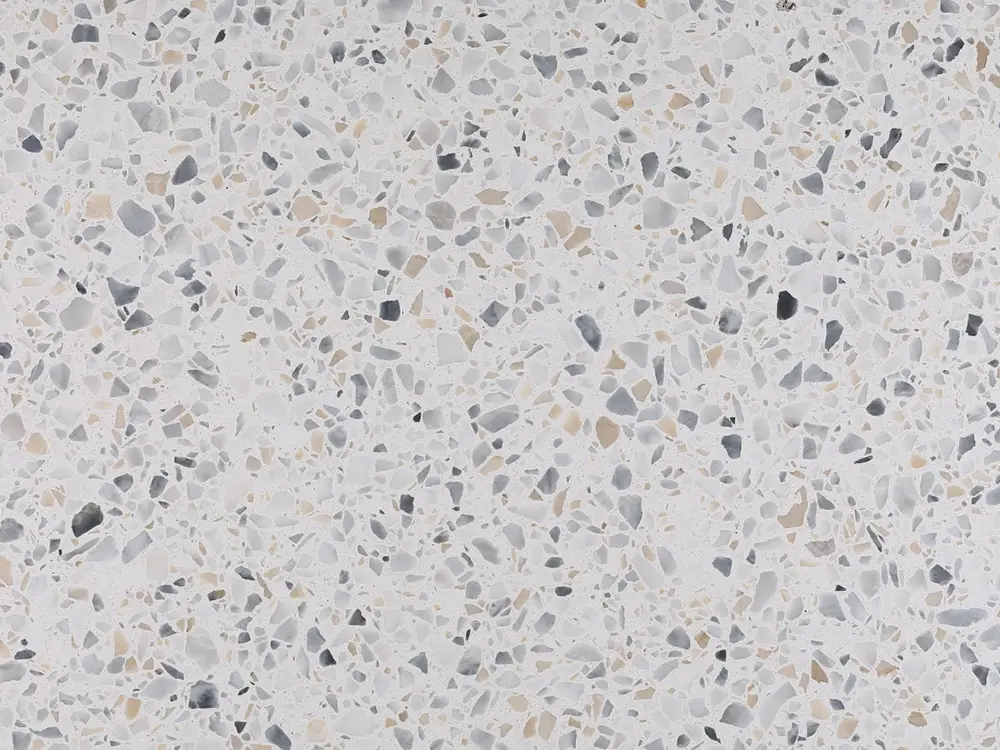
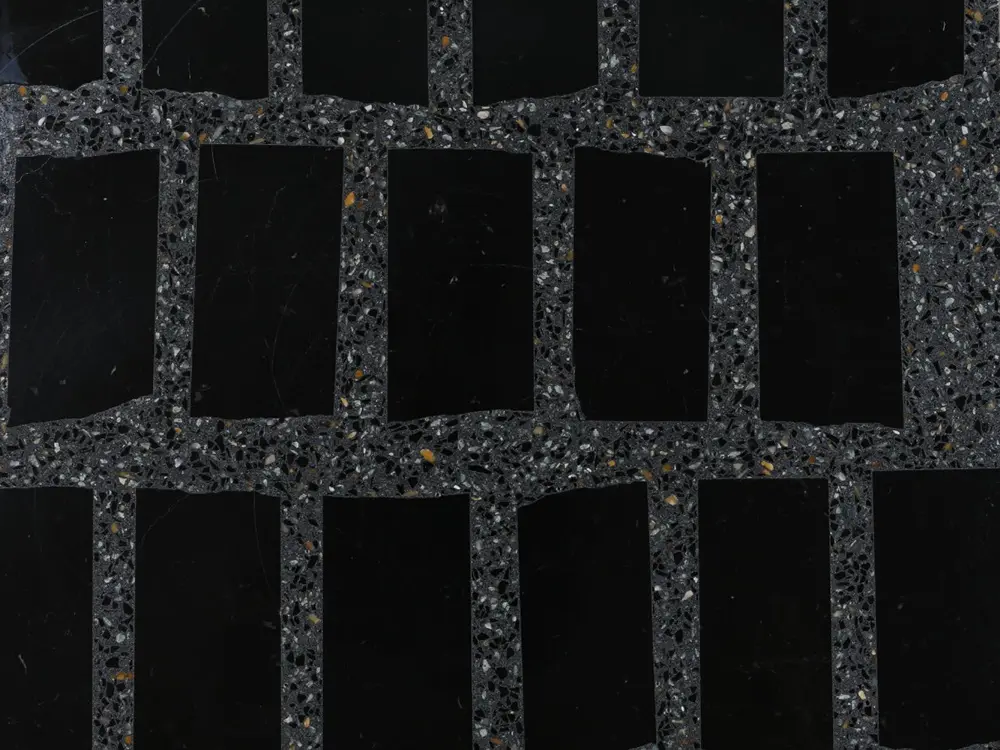
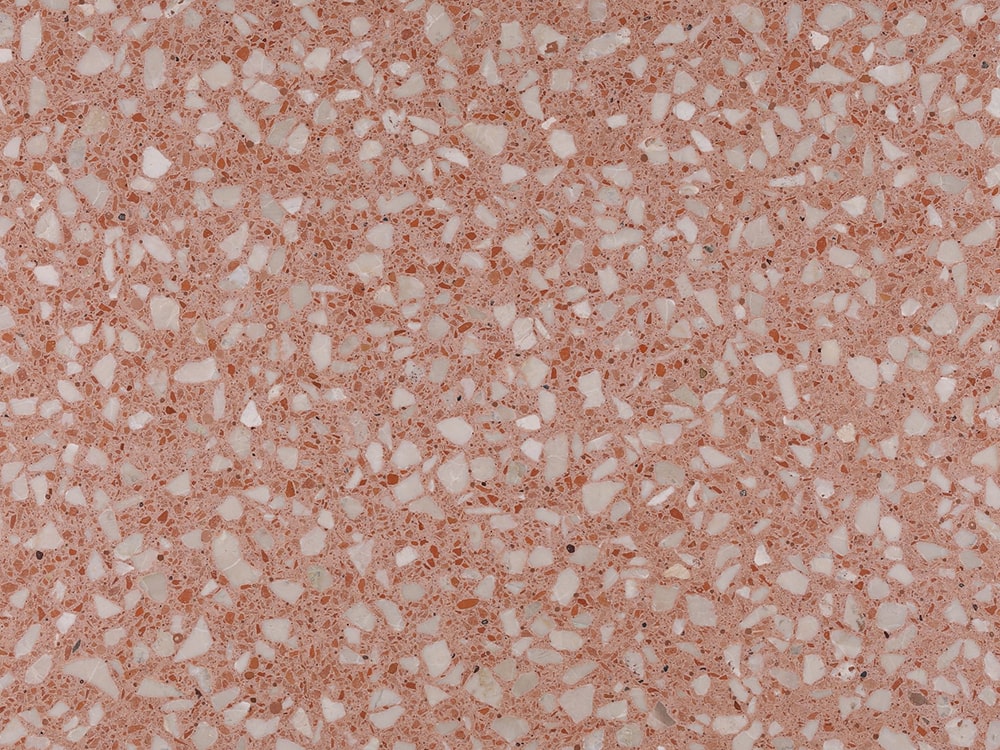
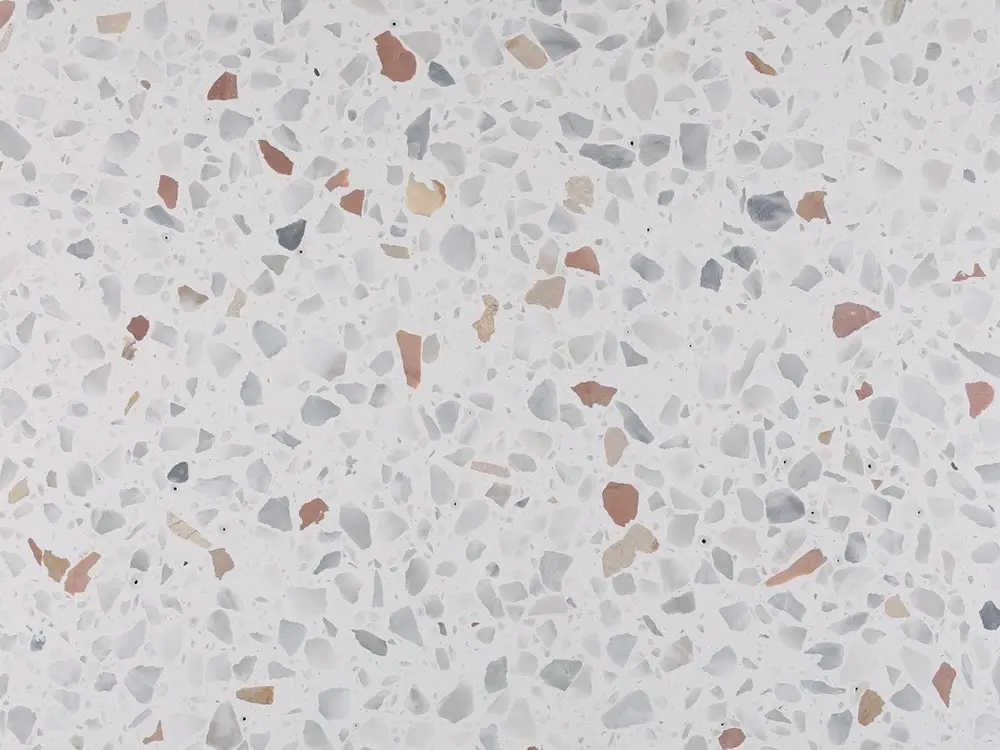
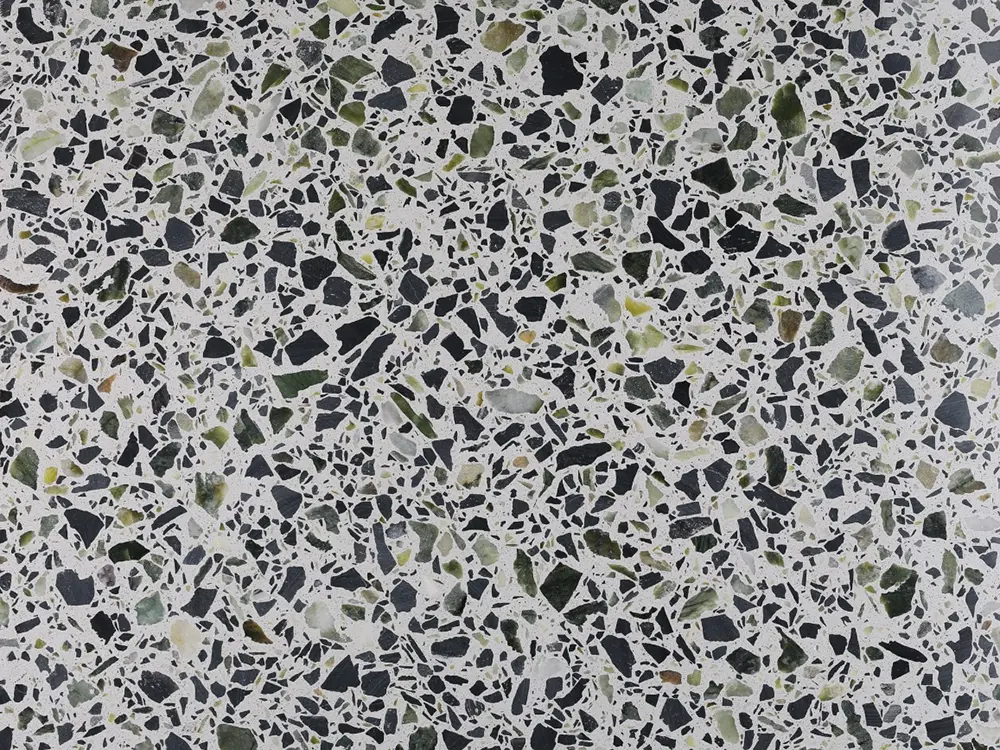
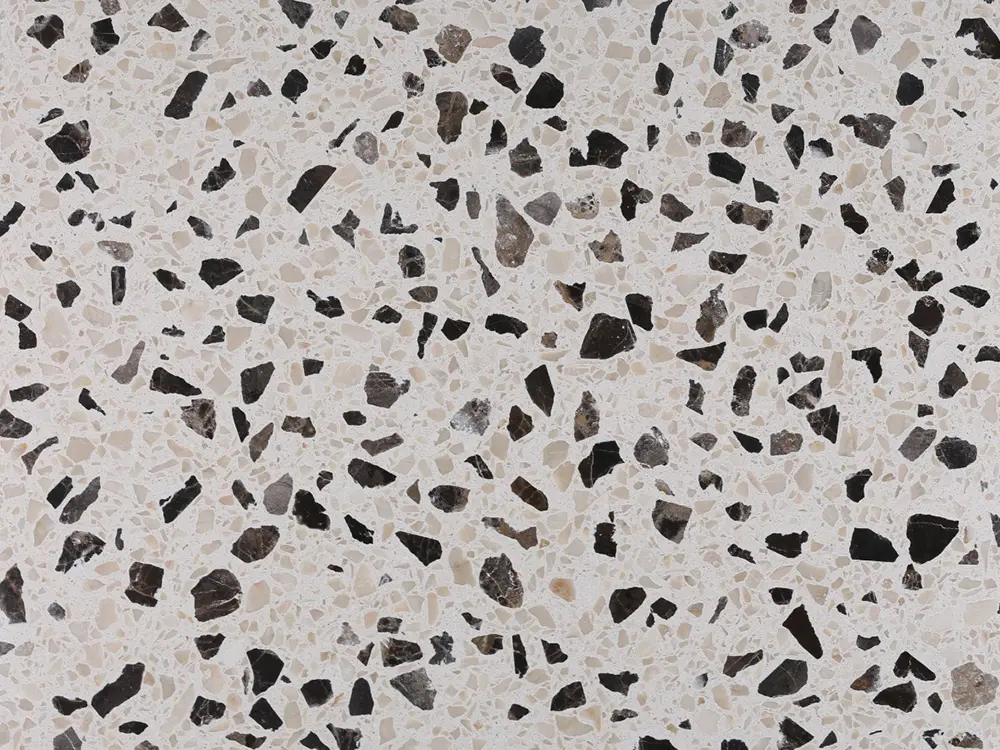
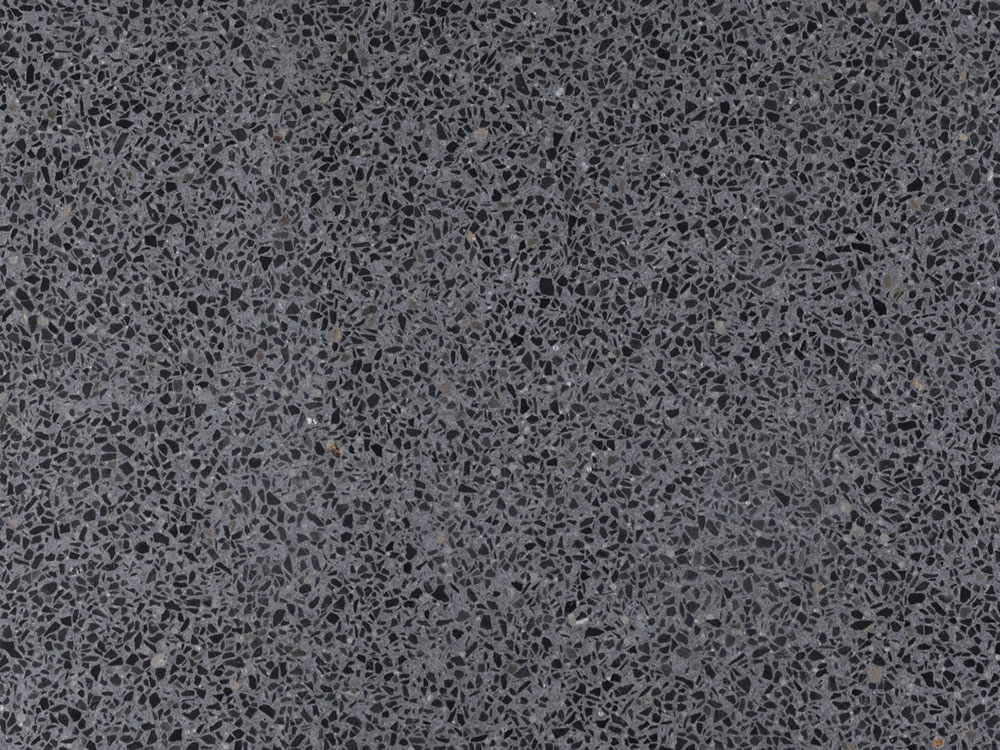
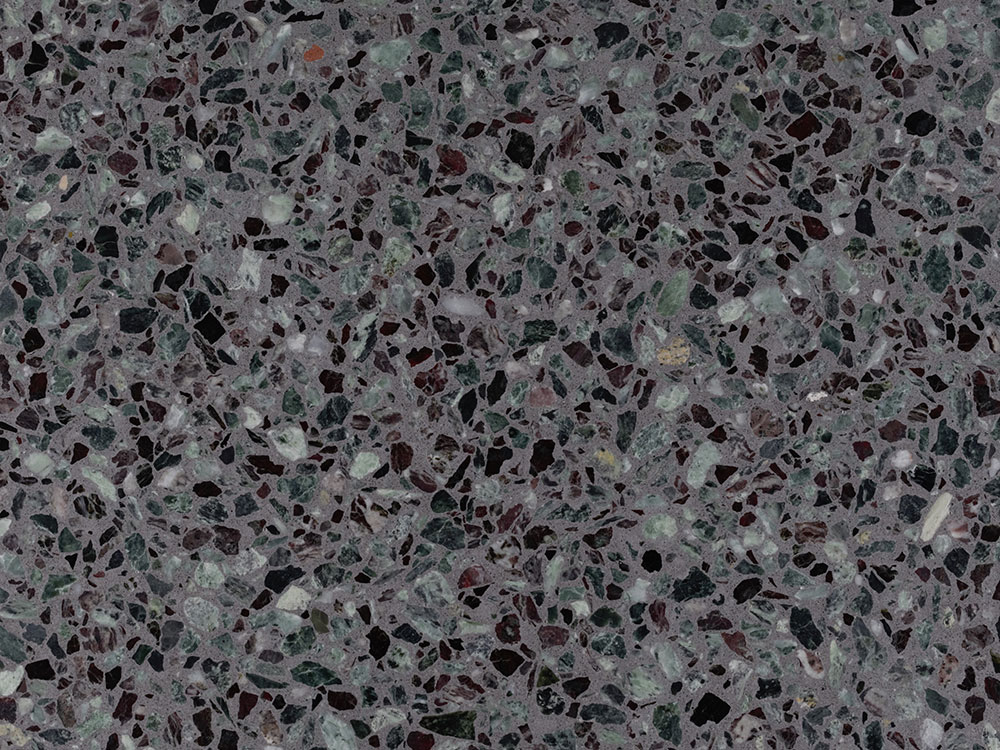
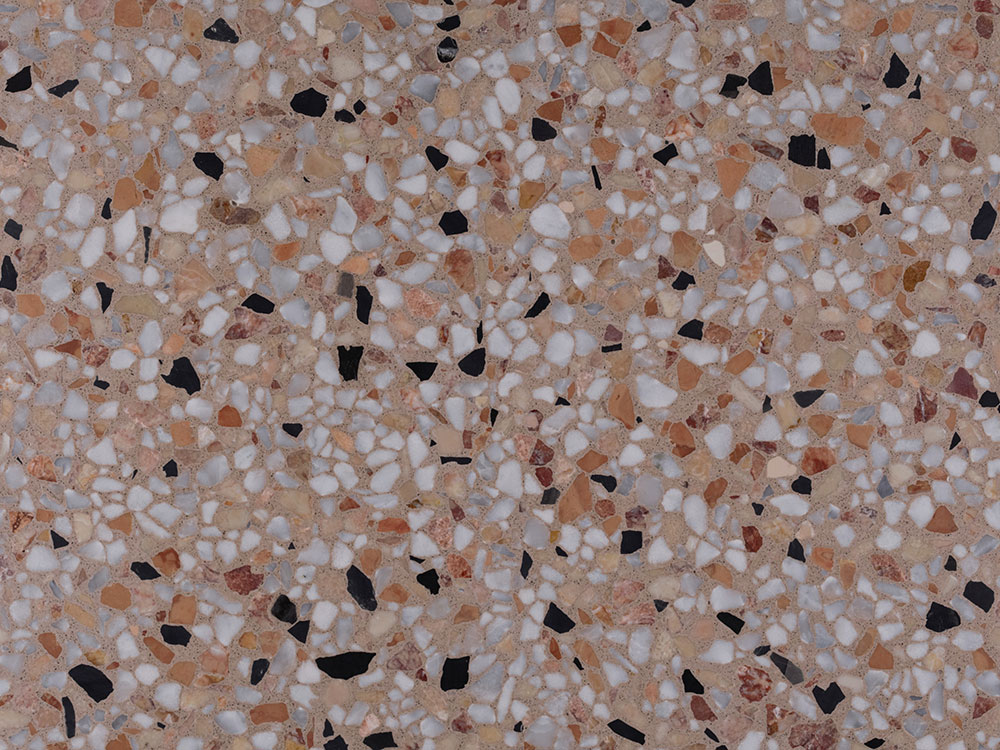
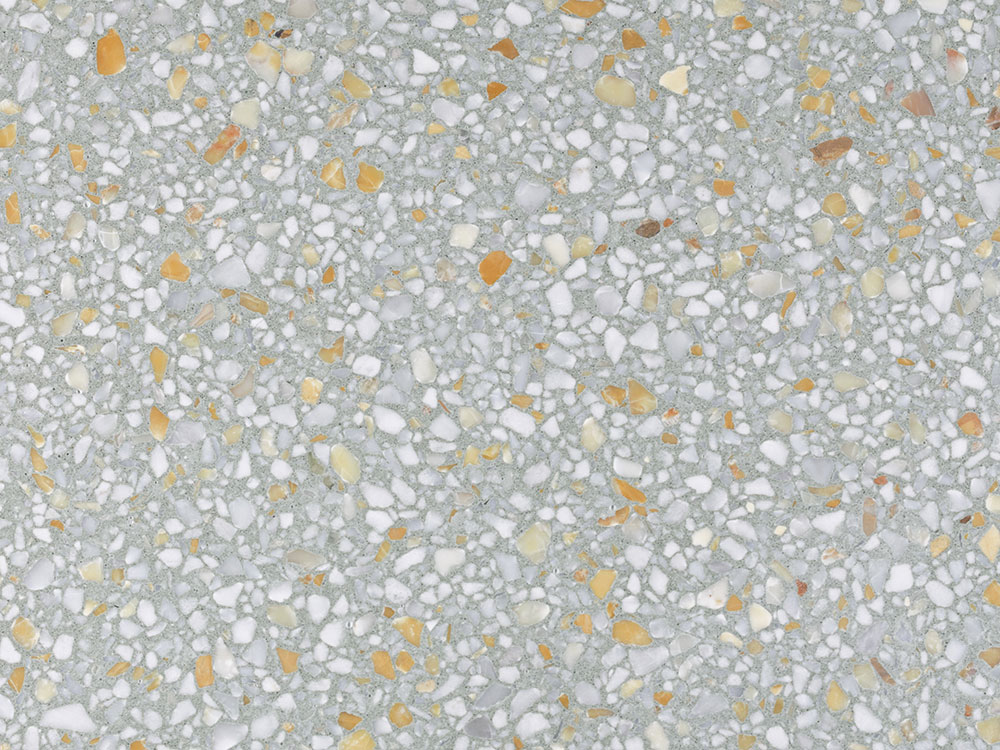
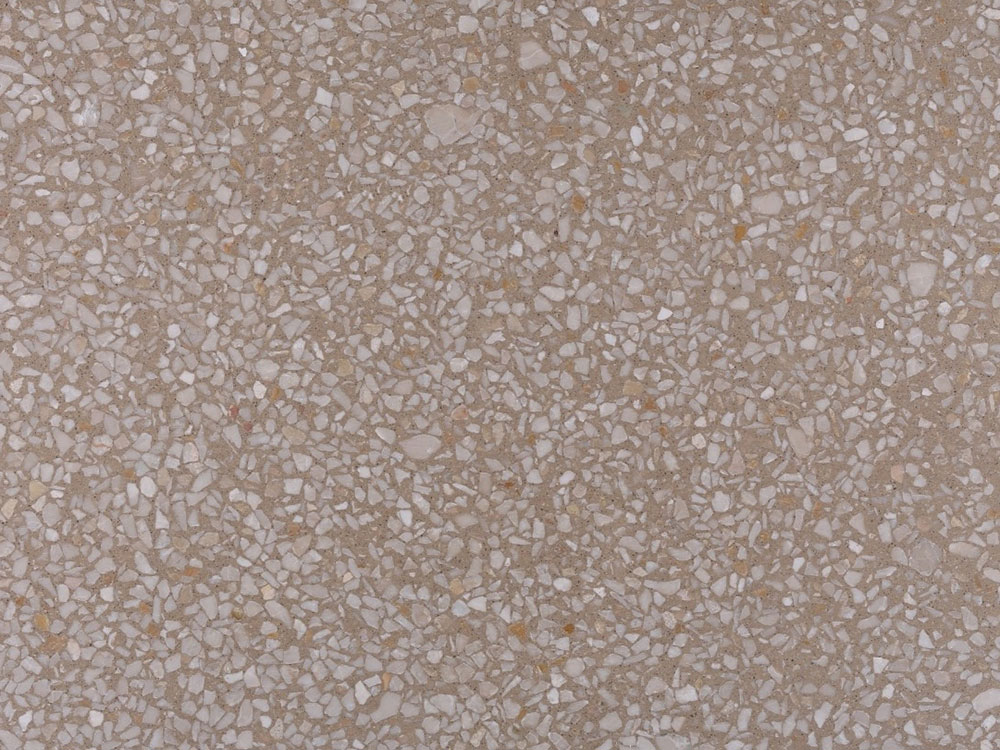
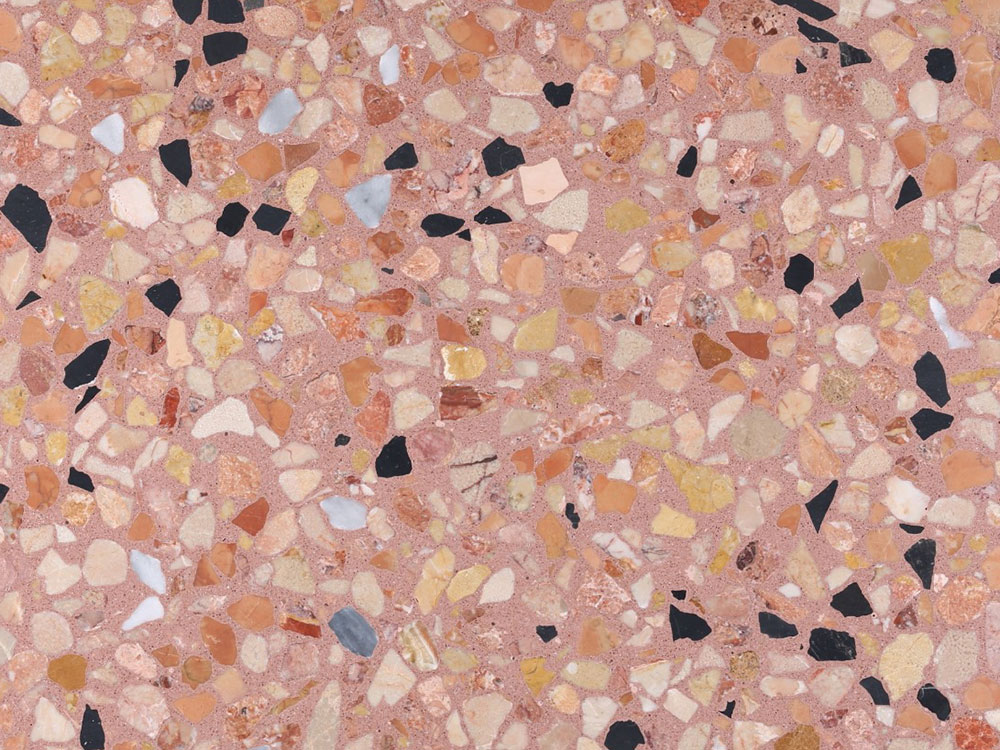
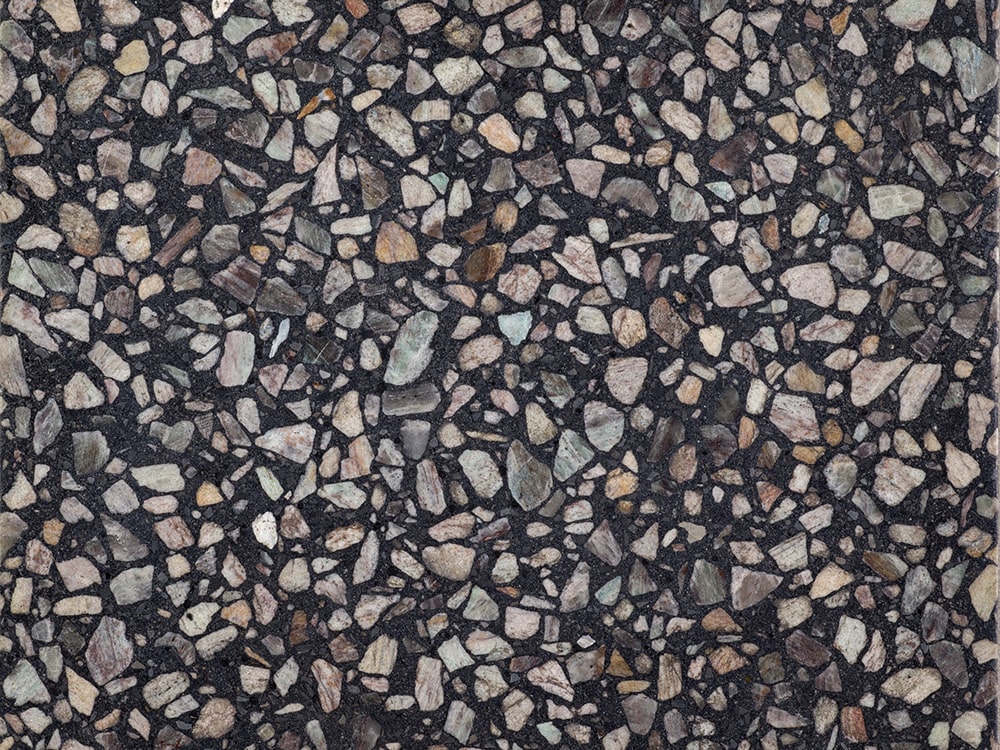
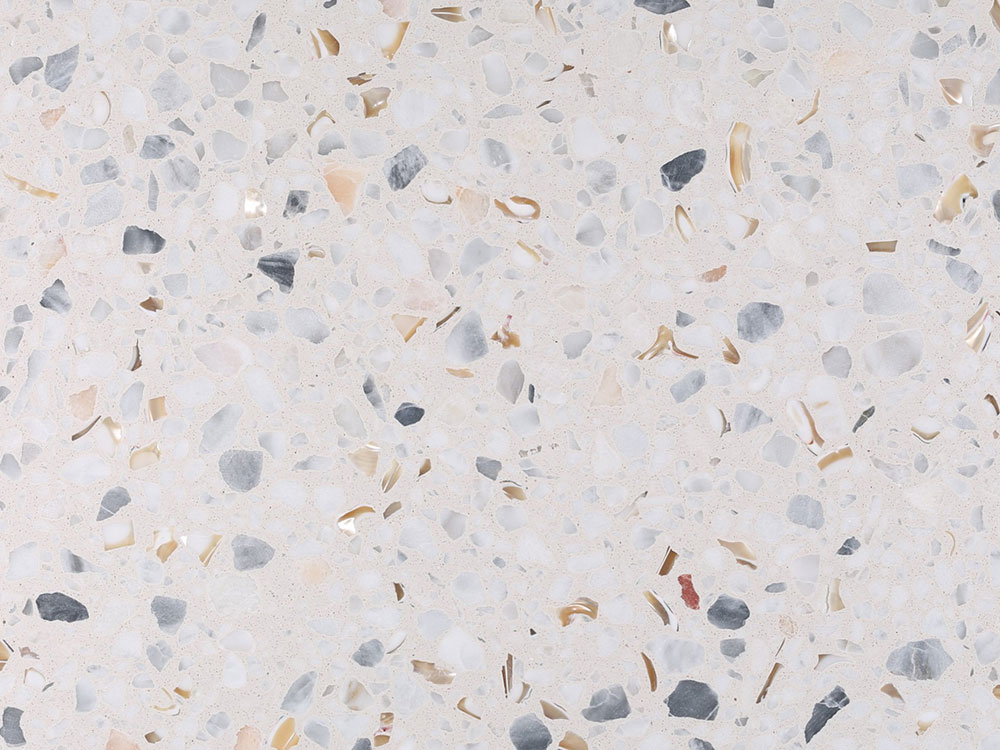
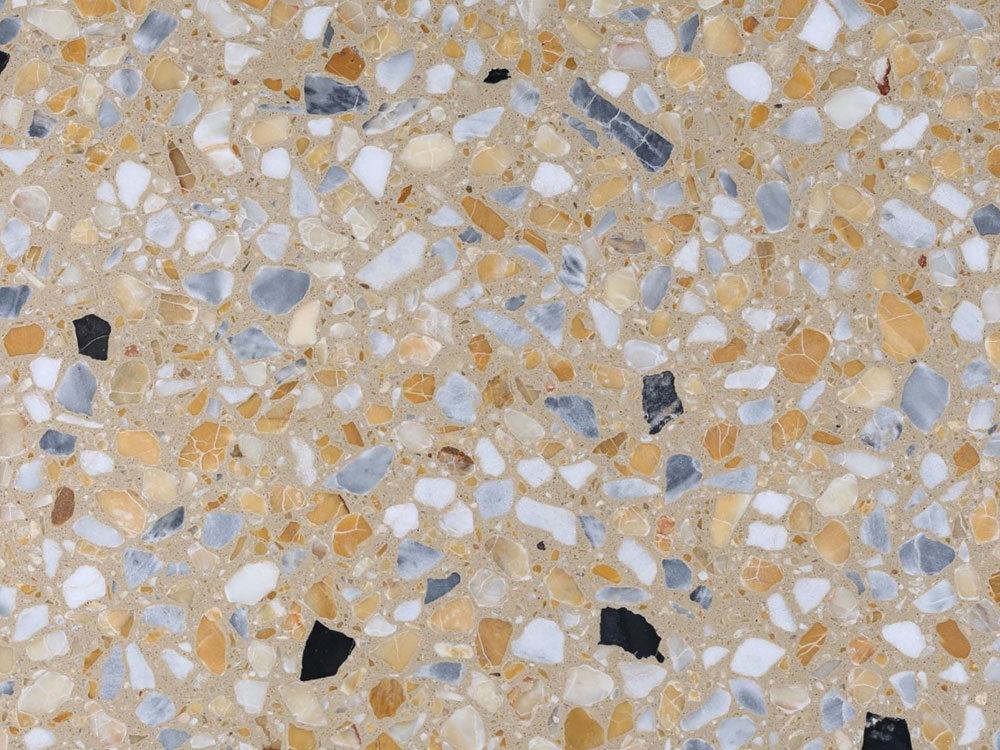
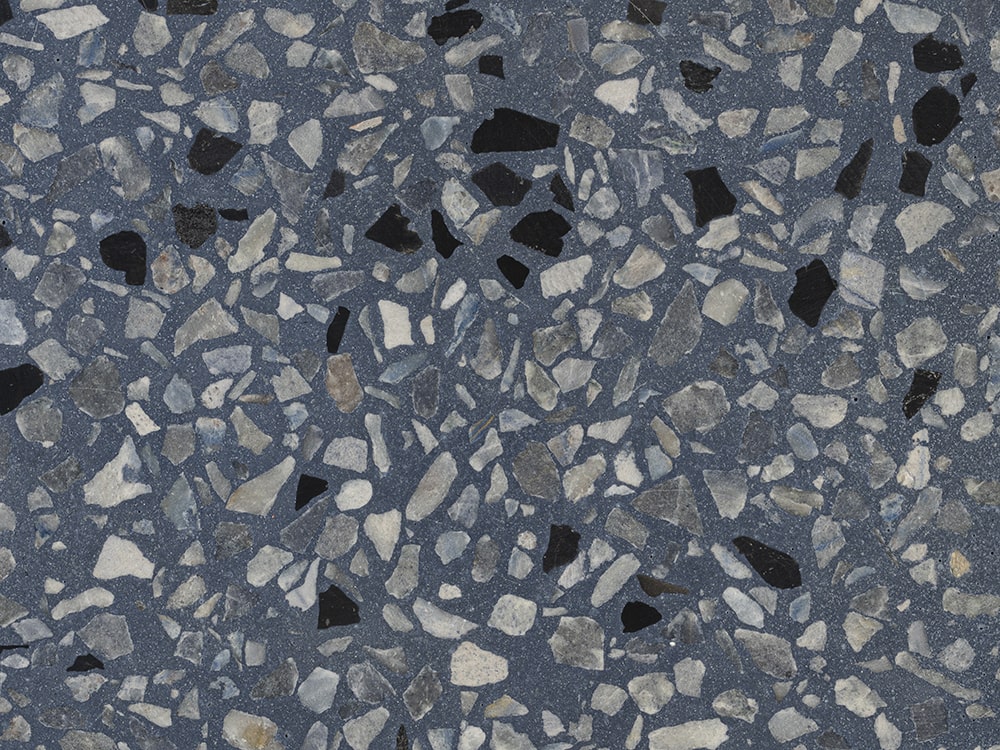
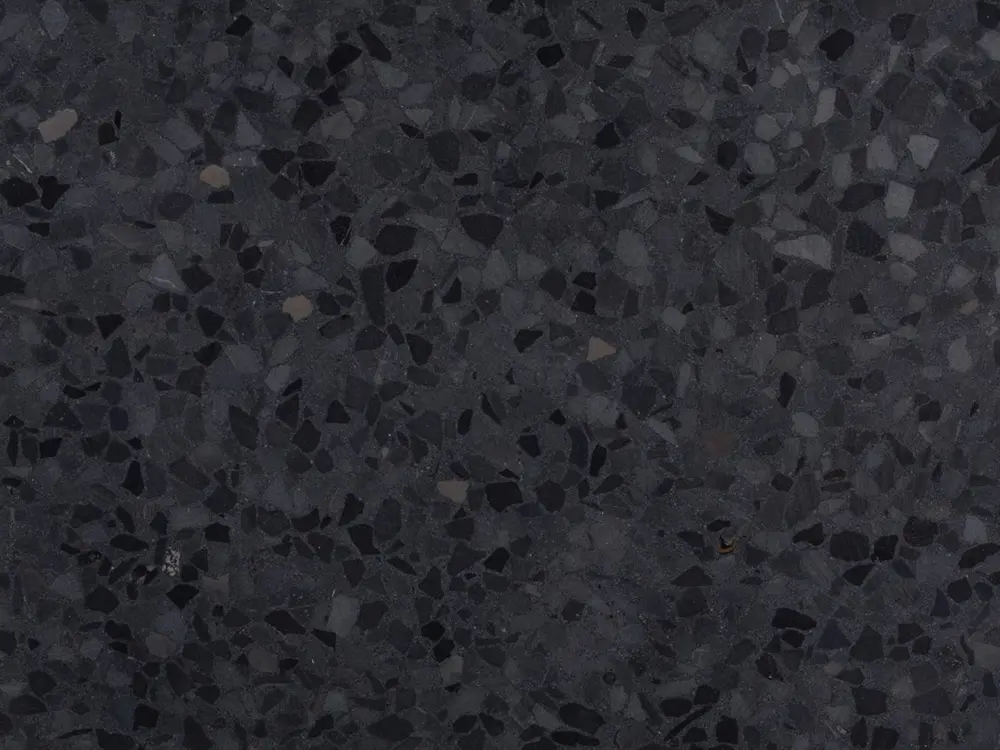
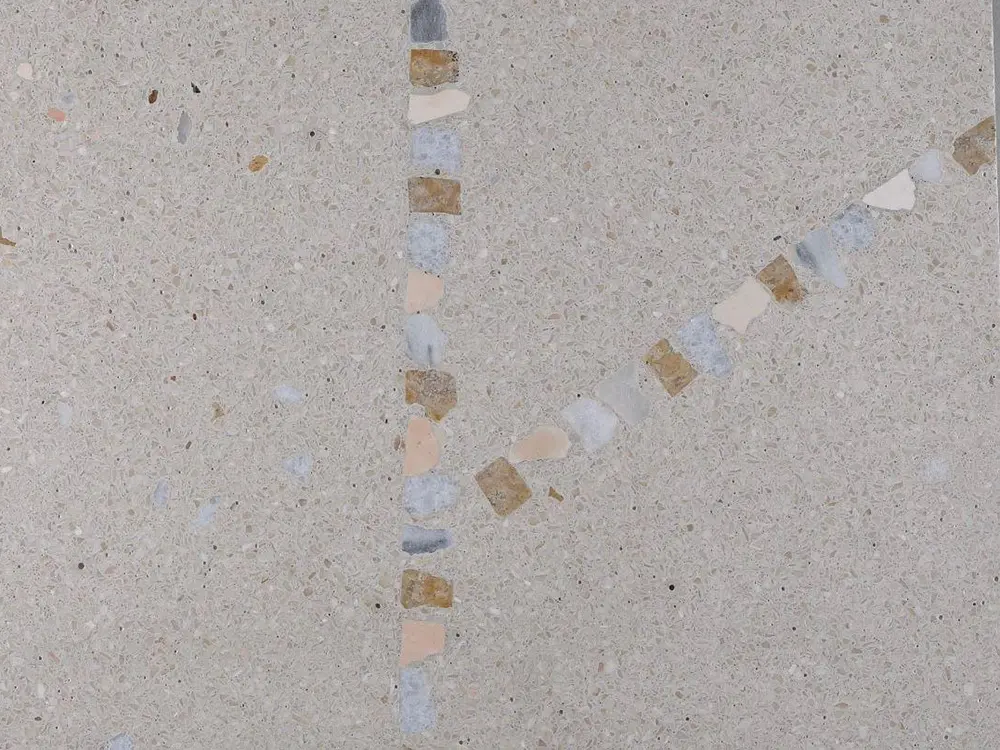
Collaborating to create
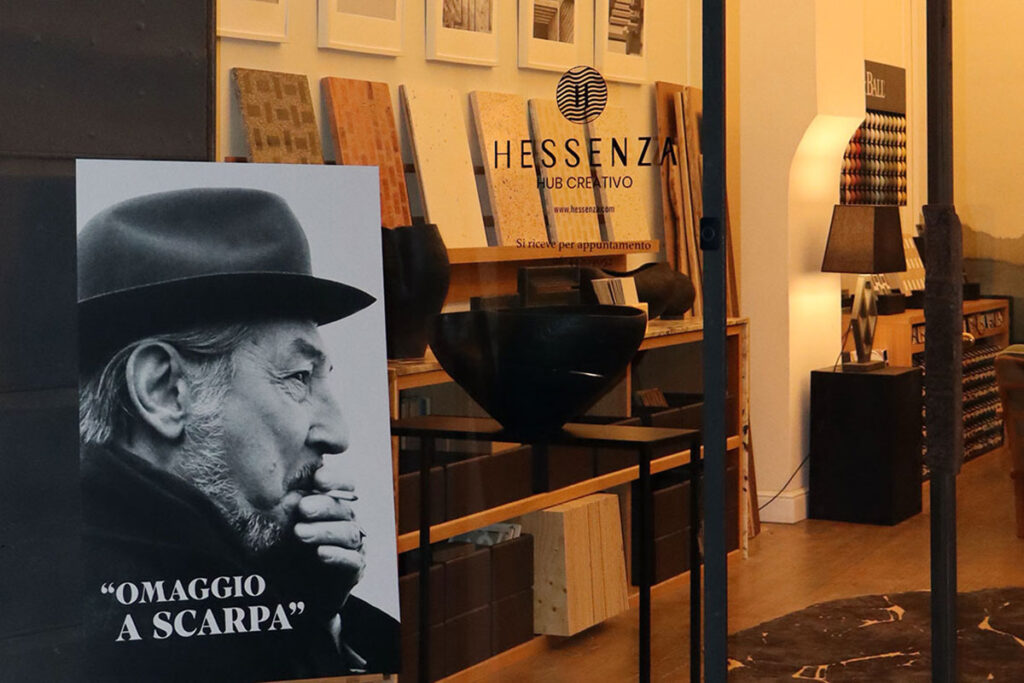
We collaborate with architecture studios, interior designers and companies on residential, hospitality and retail projects.
Every project is unique.
Every material is the result of a vision and a deliberate choice.
KREI is where material and design come together.