June 16, 2026
Handmade terracotta: the return of a timeless material
Handmade terracotta is now taking center stage in a new era of contemporary design and architecture.
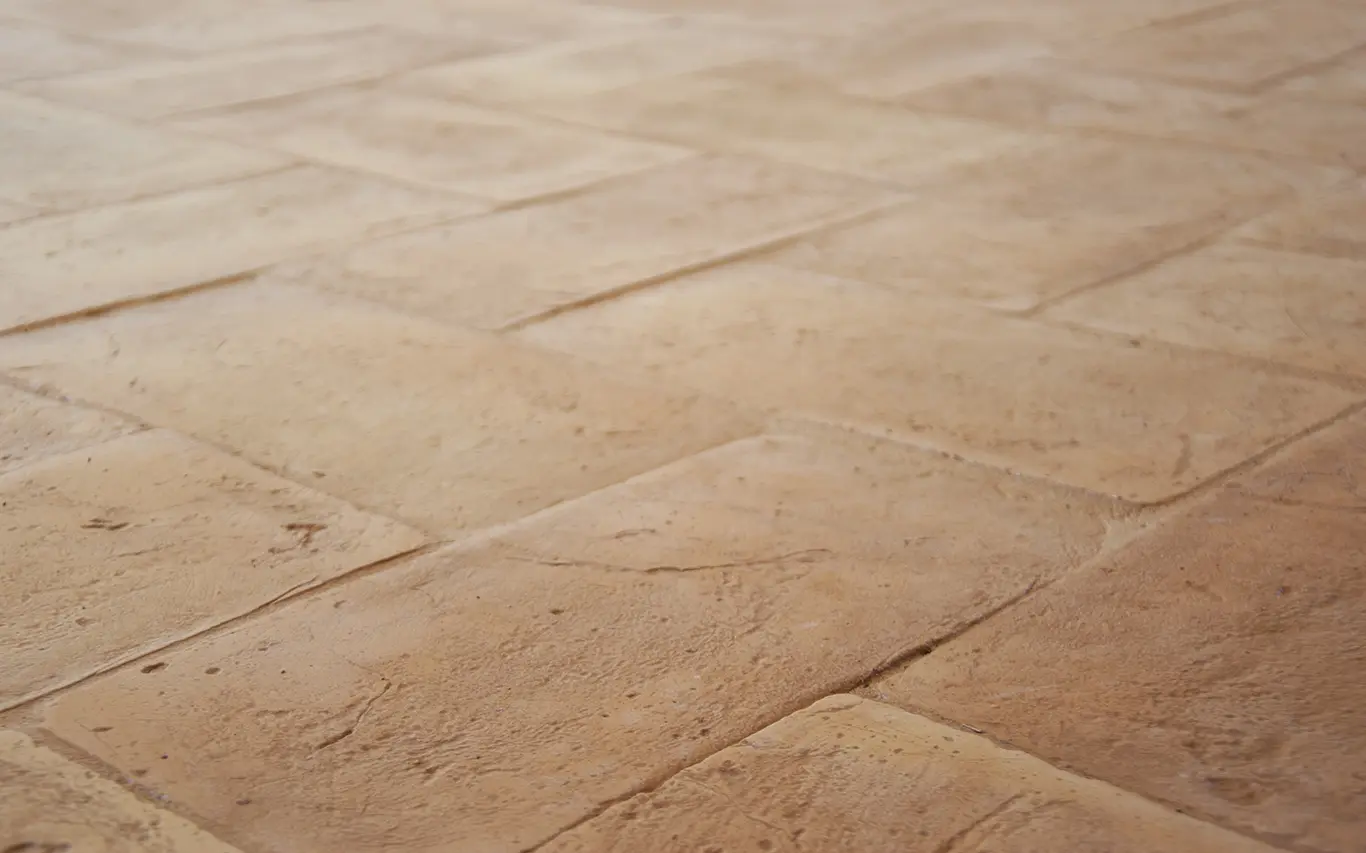
Shaped by primordial elements—water, earth, and fire—this material is much more than just a finish: it is a design language that combines traditional craftsmanship with aesthetic innovation.
Each brick is the result of ancient techniques, passed down through the ages, and embodies the uniqueness of handcrafted work.
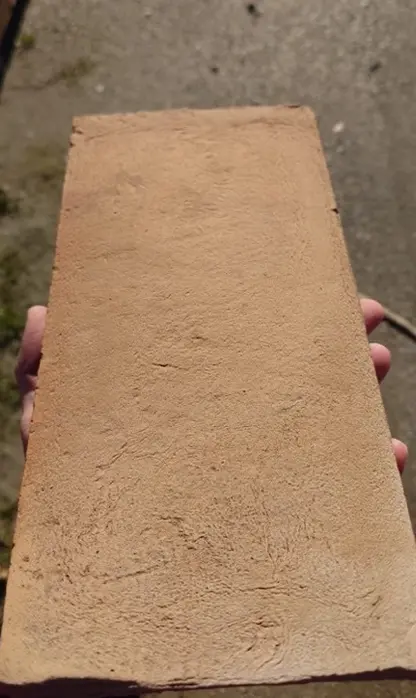
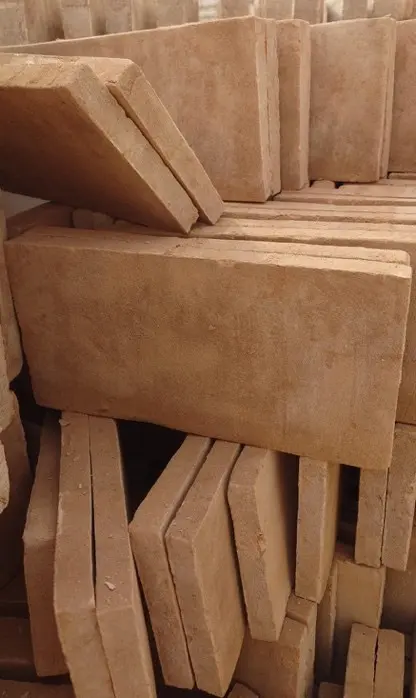
Le tonalità calde, le sfumature naturali e le texture irregolari del cotto rendono ogni superficie viva e irripetibile, perfetta per dialogare con il design contemporaneo, tanto da parlare oggi di cotto moderno.
The warm tones, natural hues, and irregular textures of terracotta make every surface vibrant and unique, perfect for complementing contemporary design, so much so that we now refer to it as “modern terracotta.”
The history of Handmade Terracotta
The use of terracotta dates back over 5,000 years to Mesopotamia, but it was in Italy that cotto found its most recognizable identity, thanks to the Etruscan and Roman civilizations.
The Romans perfected the production techniques, using it in domus, thermal baths, and amphitheaters.
In the Middle Ages, it became central to rural architecture; during the Renaissance, it also found its way into noble palaces, establishing itself as both a decorative and functional element.
Even today, the manufacturing process retains its original principles: hand-shaping the clay, natural air-drying, and firing in a kiln at approximately 1,000°C. This process gives the material strength, durability, and authentic beauty.
The difference between Handmade Terracotta and Industrial Terracotta
Understanding the difference between artisanal terracotta and industrial terracotta is essential for choosing the most suitable material for a project.
Handmade terracotta is produced by hand; each brick is a unique piece with an irregular, textured surface and a natural, non-uniform color, reflecting its high artisanal value.
Industrial terracotta is the result of an automated and standardized production process that produces bricks of uniform sizes and thicknesses, with a smooth and consistent surface, resulting in greater aesthetic uniformity. The production cycle for handmade terracotta follows precise steps:
- Clay Extraction A natural and eco-friendly raw material.
- Preparing the clay mixture The clay is purified and mixed with water.
- Hand-molding Made using wooden molds, this process gives each piece its own unique character.
- Natural drying Slow air-drying.
- Firing in a kiln At approximately 1000°C for over 24 hours to ensure strength and durability.
Why do architects choose terracotta today?
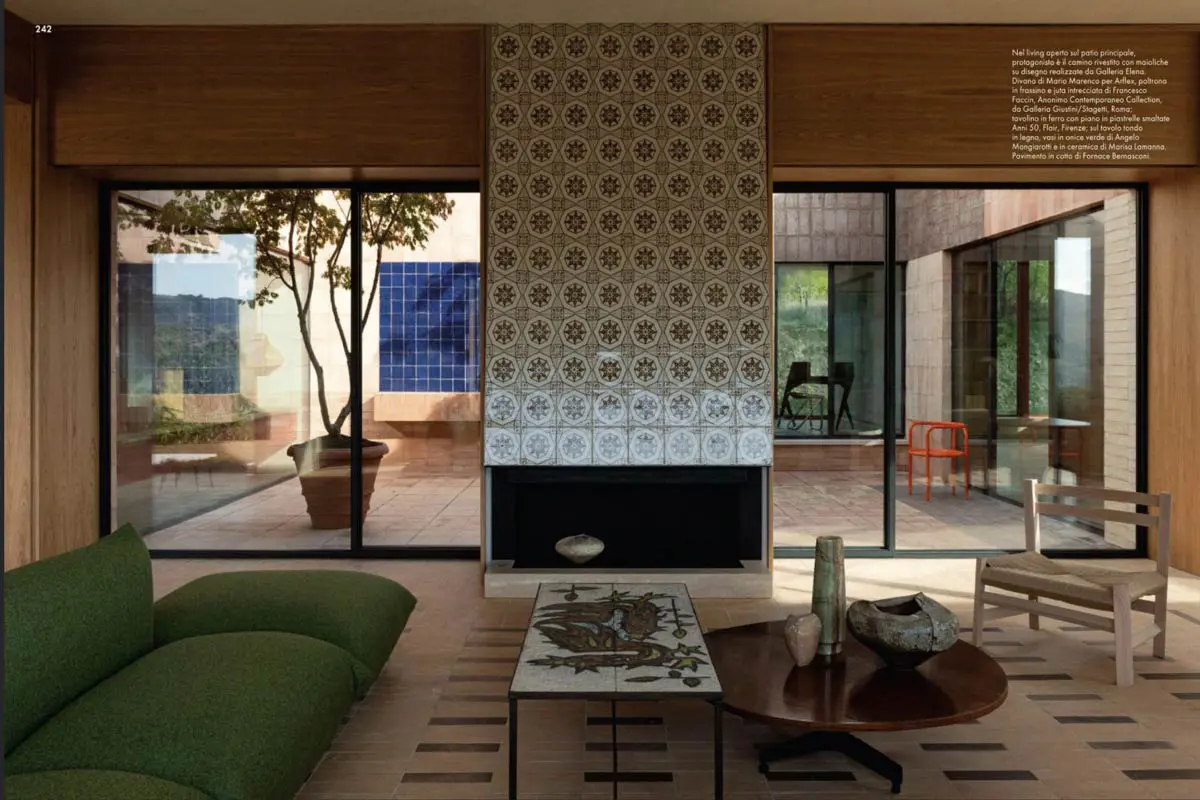
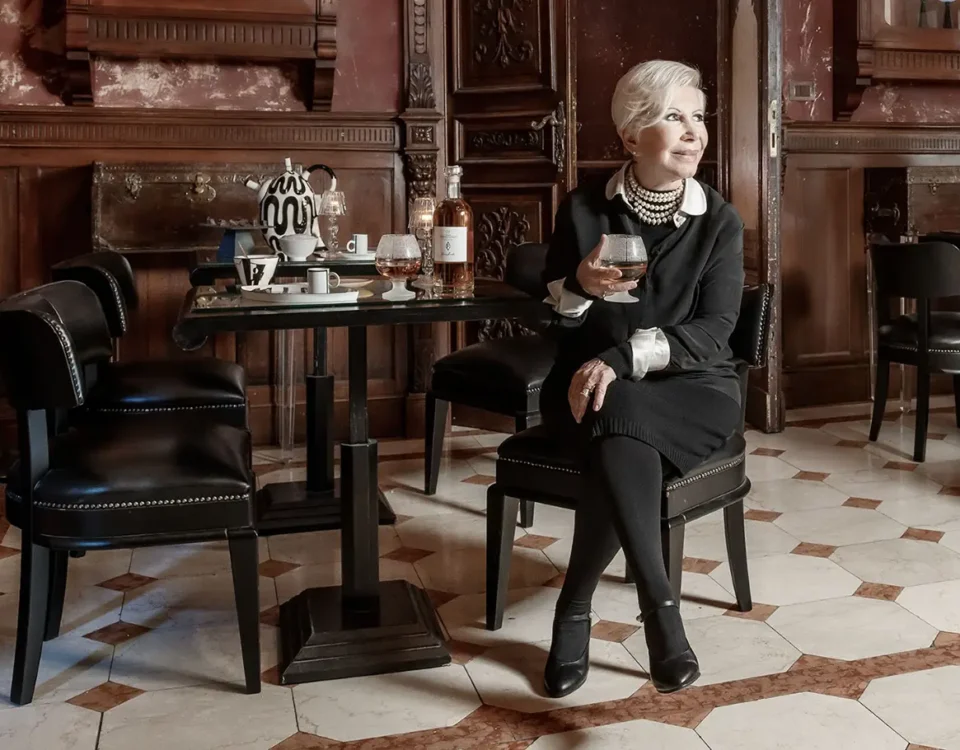
© Architetto Massimo Adario, ph: Nathalie krag
In contemporary design, handmade terracotta is chosen for its ability to:
- add a sense of material warmth
- create surfaces with depth and rhythm
- interact with modern materials such as glass, steel and concrete
In the hands of the craftsman, terracotta comes to life: each piece is unique, imperfect and possesses an authentic beauty, complementing a variety of interior styles – from homes with rustic charm where time seems to slow down, to modern spaces where its warmth creates captivating contrasts. Thanks to its versatility, terracotta strikes a balance between tradition and modernity, making spaces feel more welcoming and authentic.
Choosing a handcrafted terracotta floor means opting for:
- Timeless aesthetics and the warmth of the material: terracotta complements a variety of interior design styles, not just rustic settings as one might think. On the contrary, it creates a striking effect even when used in a modern setting, producing warm, natural surfaces full of character. Handmade terracotta interacts with light to create depth.
- Resistant to weathering, foot traffic and temperature fluctuations, terracotta is also ideal for outdoor use. Indeed, this material is unaffected by sunlight or even extreme temperature variations, which could otherwise cause quite serious problems for other types of flooring.
Where to use terracotta flooring
Handmade terracotta flooring is one of the most versatile elements in interior design for residential spaces, restaurants and food venues, hotels, resorts and farm stays.
Residential spaces
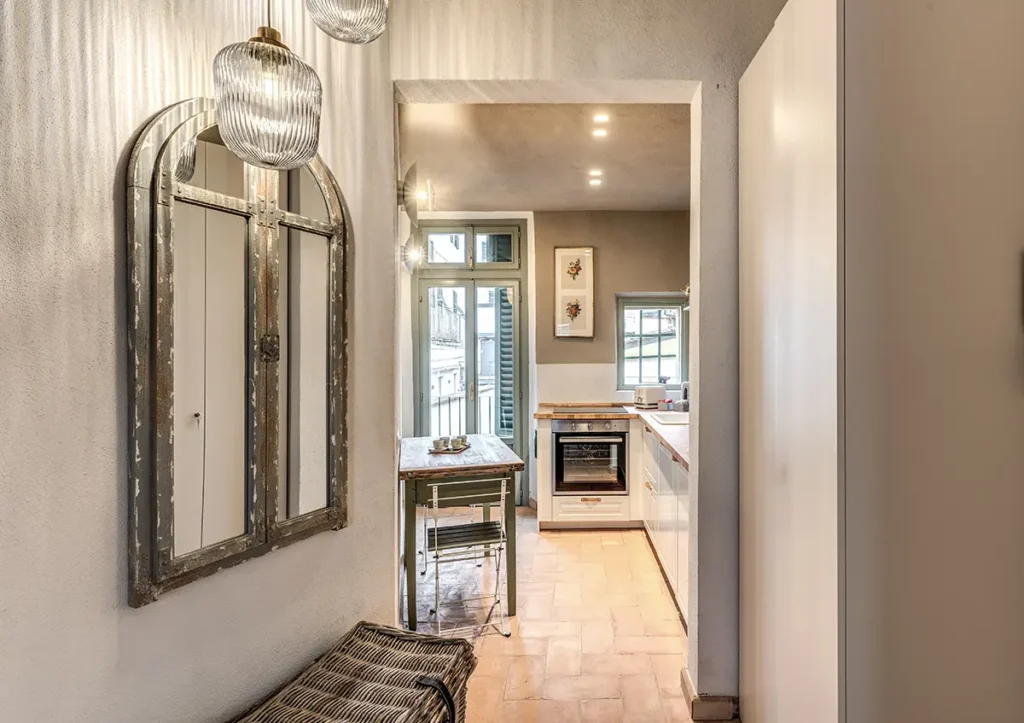
© Civico 25 Firenze Ph: Vincenzo Tambasco
Perfect for living rooms and open-concept spaces in rustic or contemporary styles, where it pairs well with modern furnishings to create textural contrasts. In the kitchen, it’s highly prized for its country-chic style, blending beautifully with wood, stone, and burnished metals. In the bedroom area, it adds interest to country homes or historic residences, where it conveys a sense of comfort and a connection to one’s roots. Ideal for outdoor spaces such as terraces, porches, and gardens because it is highly durable and slip-resistant, making it perfect for creating visual continuity between indoor and outdoor areas.
Restaurants and food
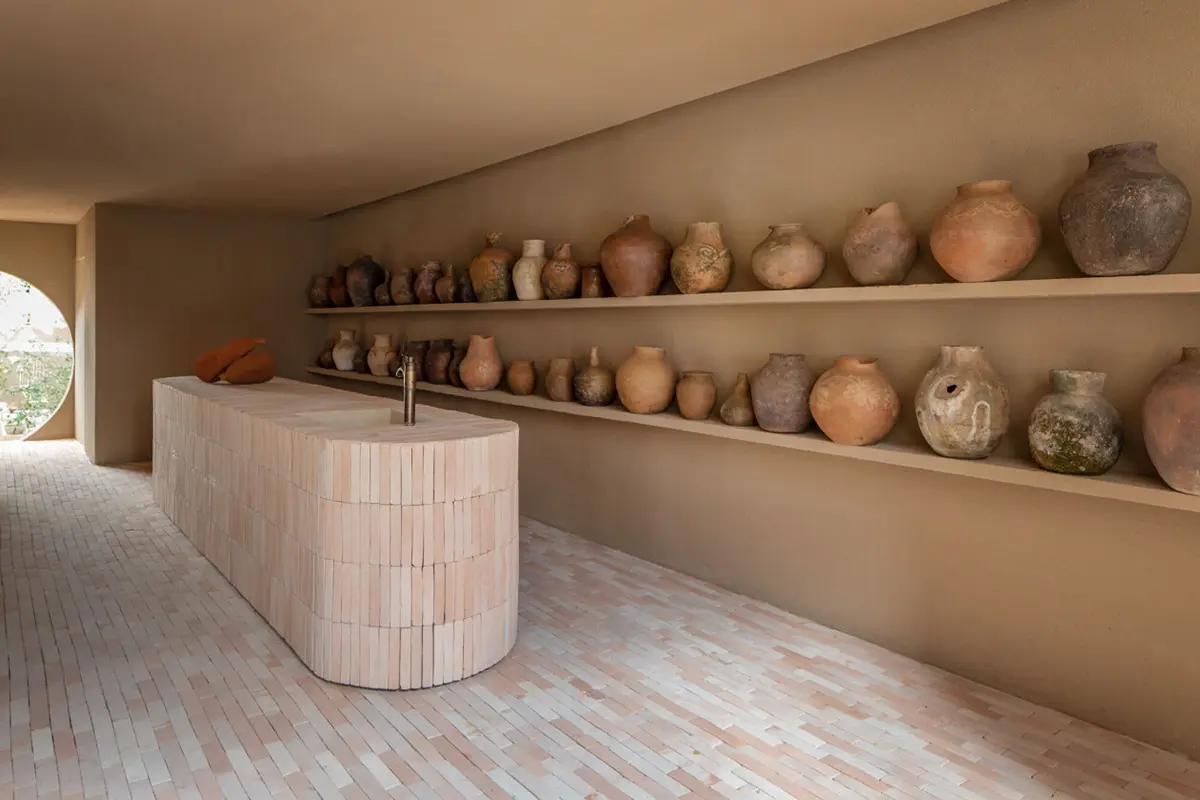
© Dois Trópicos ph: Andre Klotz
In the food industry and restaurants, terracotta helps reinforce a venue’s culinary identity and the authenticity of its flavors; it’s also ideal for open kitchens. It helps create welcoming and convivial atmospheres, boasting high durability and ease of maintenance among its key advantages. In venues with an industrial or minimalist style, it’s often used in combination with concrete, steel, and glass.
Hospitality (hotel & resort)
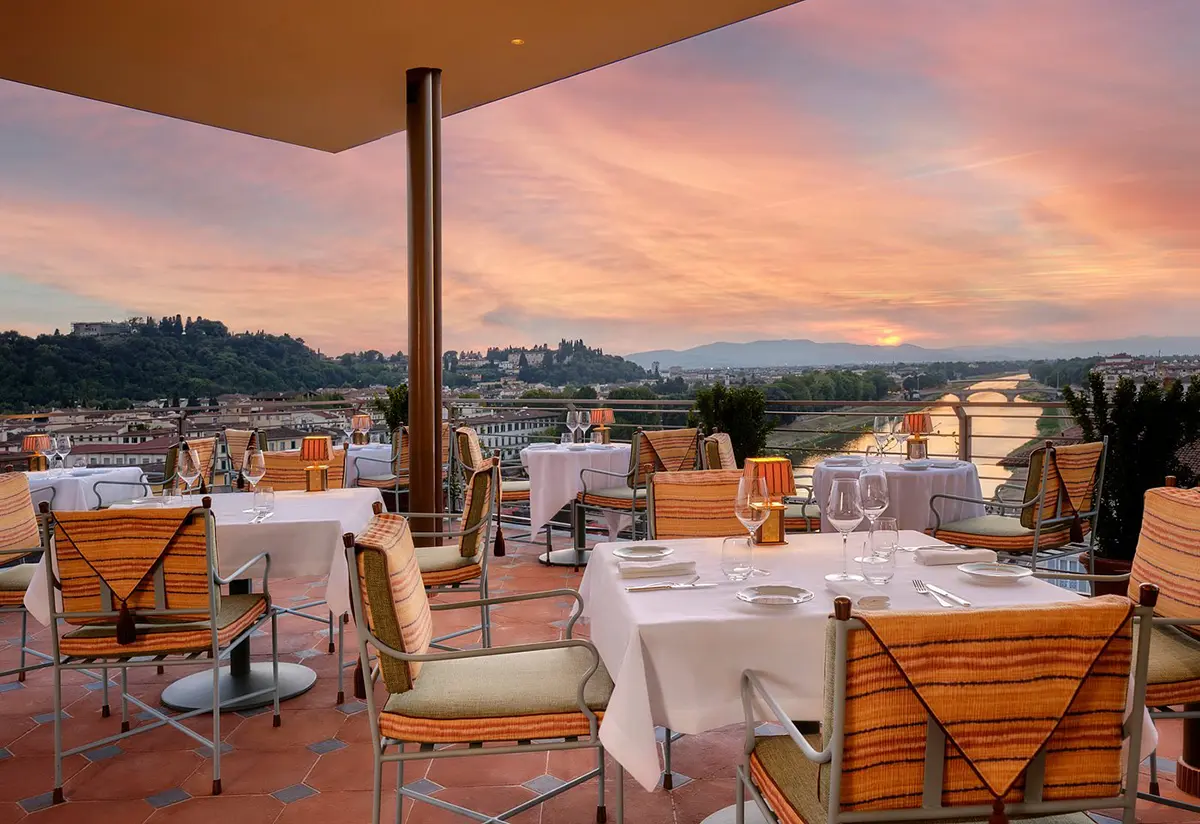
© The Westin Excelsior, Cosimo Rooftop restaurant & Bar Firenze
In the hospitality sector, in hotels, resorts, and farm stays, terracotta becomes a narrative and defining element, strengthening the connection to the local area. When paired with wood, it creates authentic and refined spaces in resorts and farmhouses throughout Umbria and Tuscany, reinforcing the connection to local materials. It lends itself well to large areas such as lobbies and lounges, providing visual continuity to common spaces. When paired with marble, it imparts a sophisticated and timeless elegance.
Contemporary applications: Bucchero
Among the current trends in interior design, bucchero, the black terracotta used by the Etruscans, is gaining prominence. This unique, all-black ceramic strikes a balance between craftsmanship and design, and is still produced today using the same techniques as in the past.
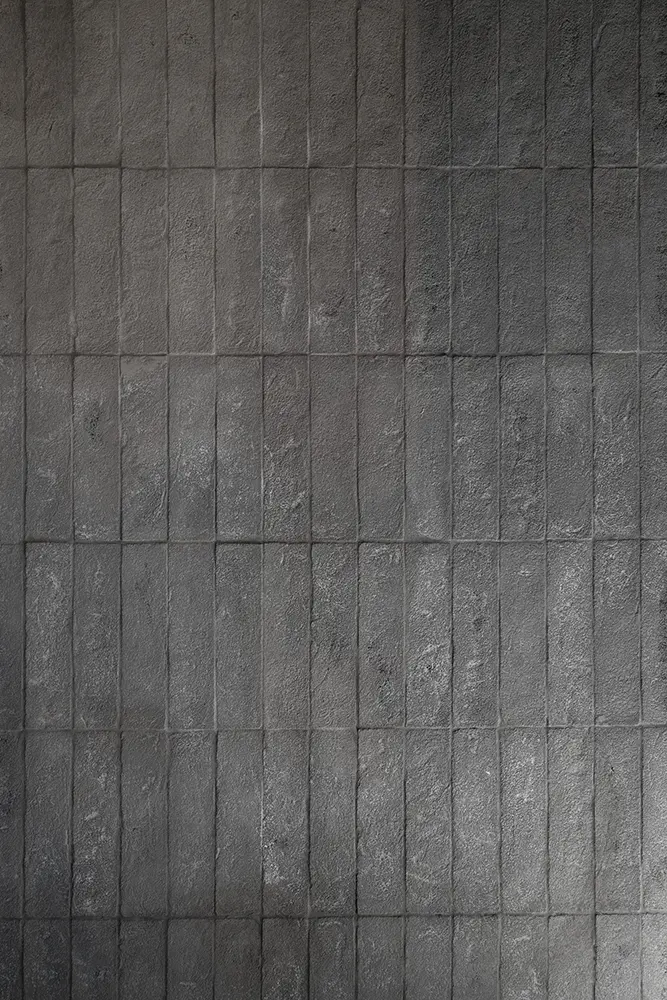
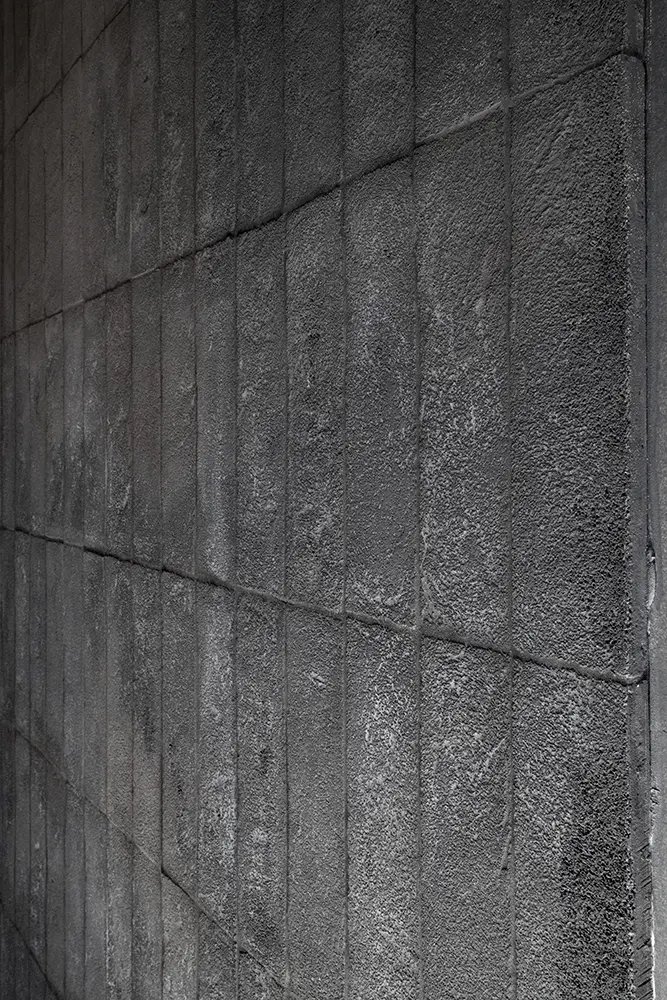
Con il bucchero si realizzano pavimenti di estrema eleganza, dall’impatto cromatico intenso ma non piatto. Il nero naturale, infatti, unito alle diverse finiture e allo stampaggio artigianale, regala un mattone ecologico, unico nelle tonalità e nelle forme, singolare nel metodo di realizzazione, con un effetto finale prezioso e fuori dal tempo. Tutte le proposte per la pavimentazione sono custom e realizzate “su misura” di concerto con il committente.
Bucchero is used to create exceptionally elegant floors with a rich yet nuanced color palette. In fact, the natural black, combined with various finishes and artisanal molding, results in an eco-friendly brick that is unique in its shades and shapes, distinctive in its manufacturing method, and offers a refined, timeless final effect. All flooring solutions are custom-designed and crafted “to order” in collaboration with the client.
Text: Silvia Cutuli