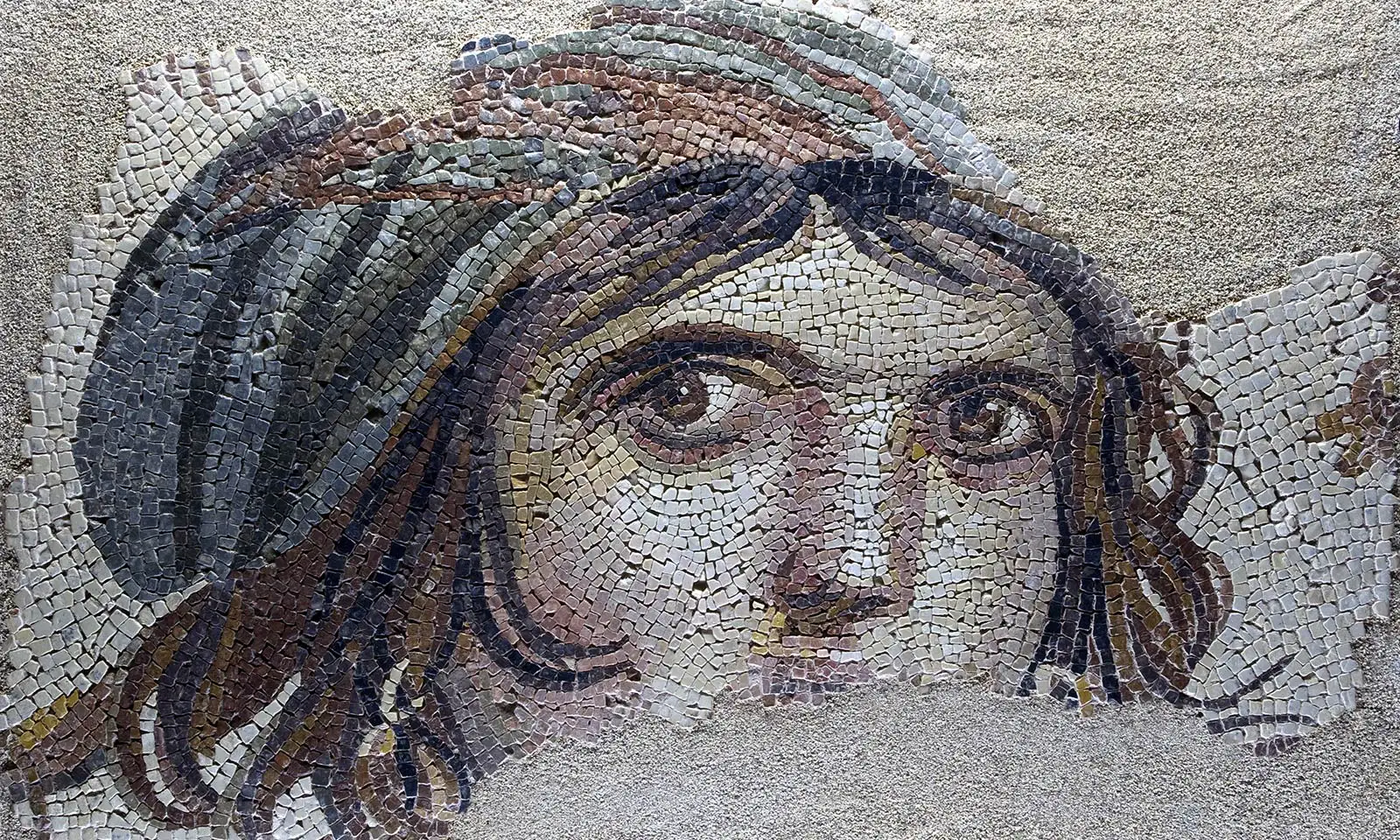
Mosaico-Volto

Mosaics
Fragments of eternity

A millenary art

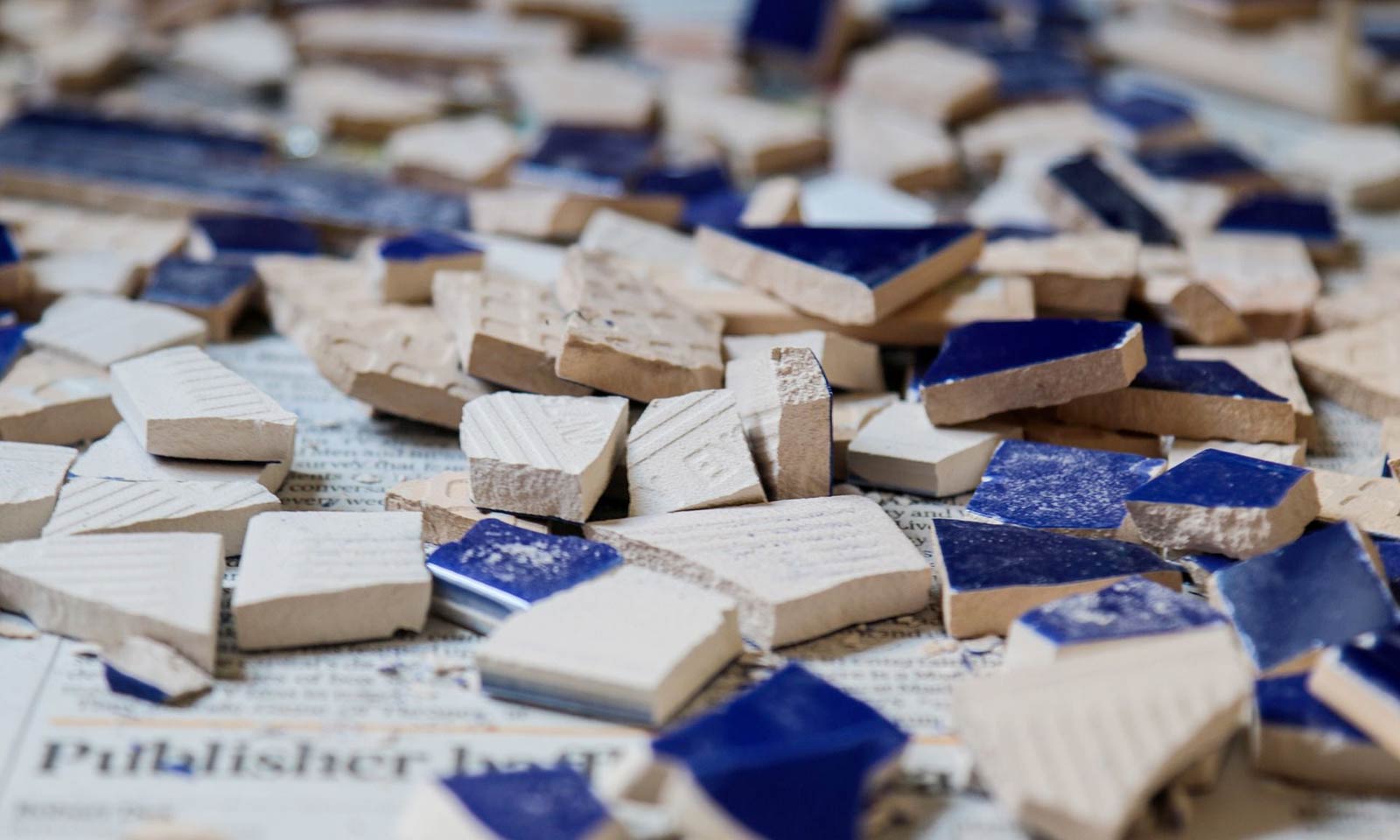
The ultimate expression of creation, today the ancient technique of mosaic gives the opportunity to transform the sketches by contemporary designers, architects and artists into constructed work.

Tradition that is renewed

The deep knowledge of materials together with ancient and modern processing techniques to give life to exclusive and unique works.
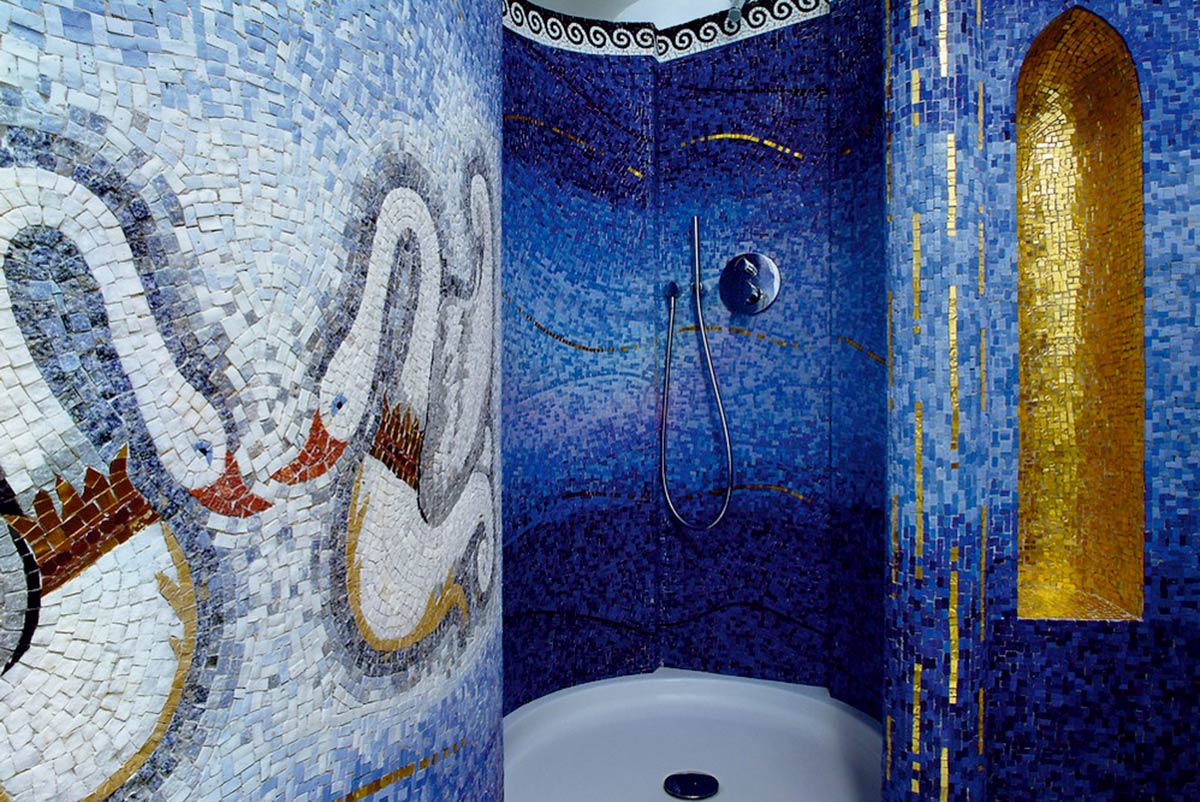
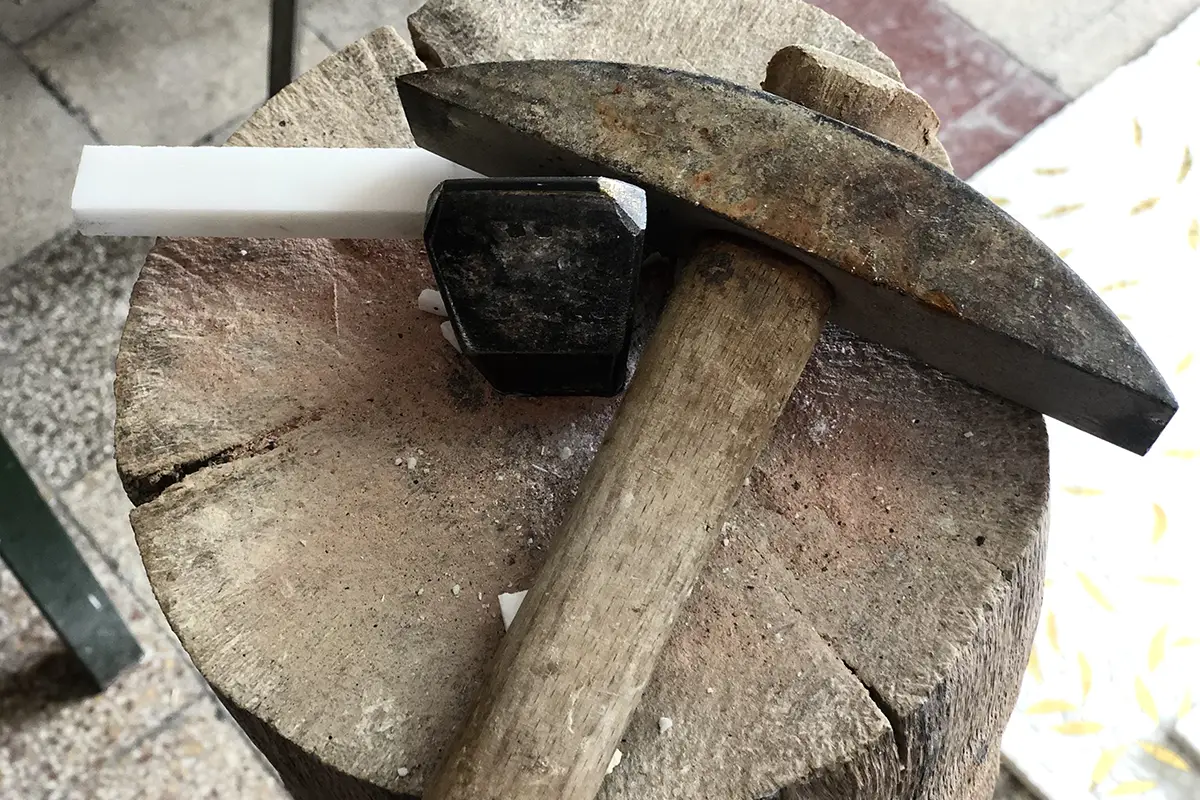
Tile by tile, the beauty of the mosaic is revealed, rom this millennia-old art form to its modern application in architecture and interior design.

With patience and precision, textured surfaces take shape surfaces capable of telling a story, absorbing light, refracting it, and reflecting it back into the space.

A constructive system, not a decorative one.

What we do

We evaluate and apply the best solution to create any type of mosaic, each time unique and tailored to the project. Used to working with architectural firms and designers, we provide the right advice for the selection of materials, media and glues, as well as aesthetic/decorative proposals.
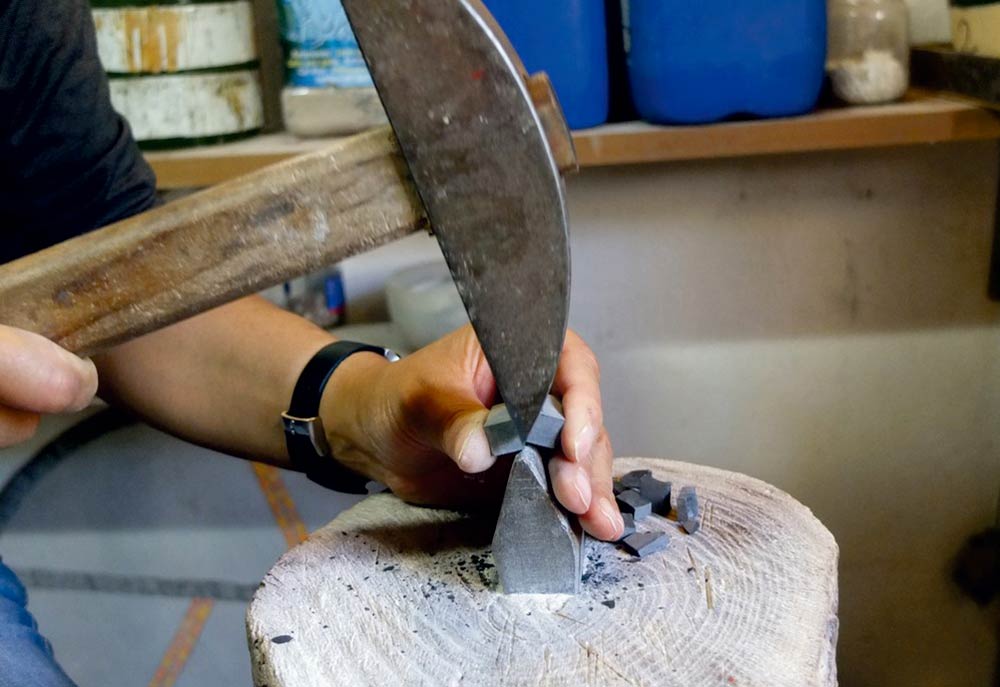
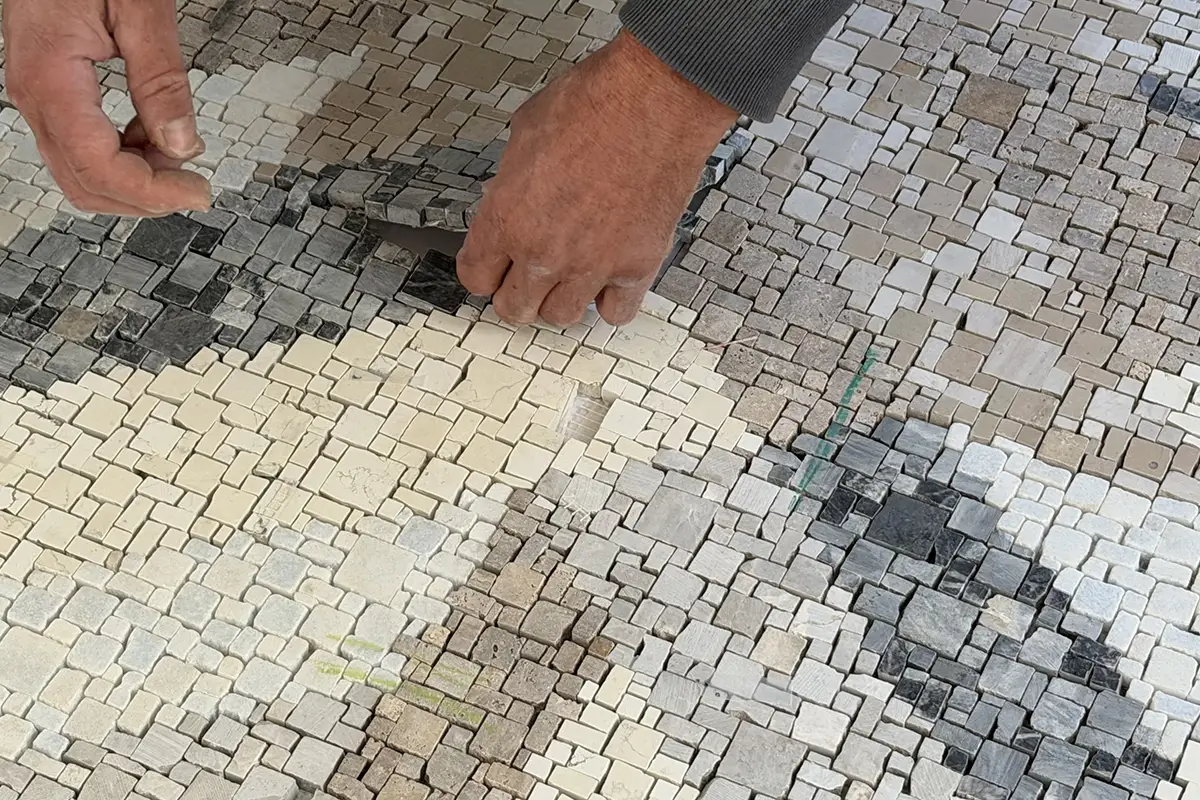
Design and installation of mosaics, inlays, trencadis, cosmatesque and byzantines

Technical advice and support

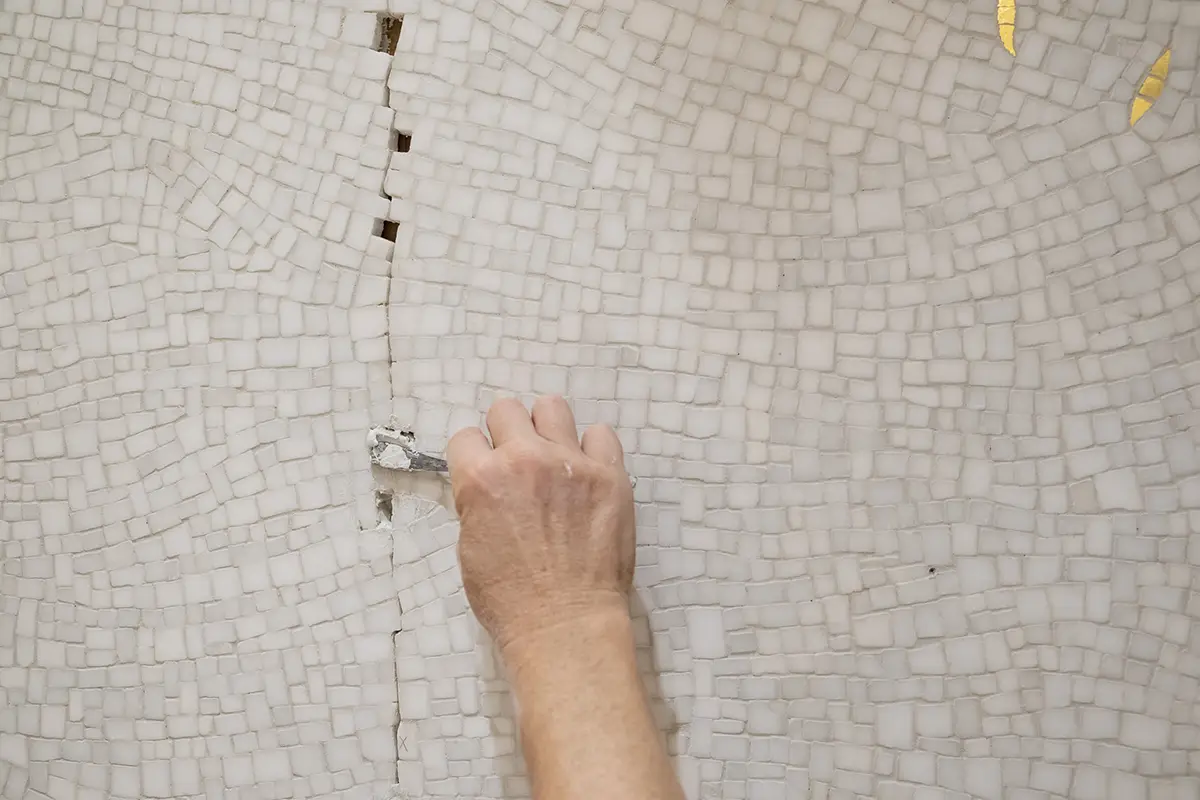
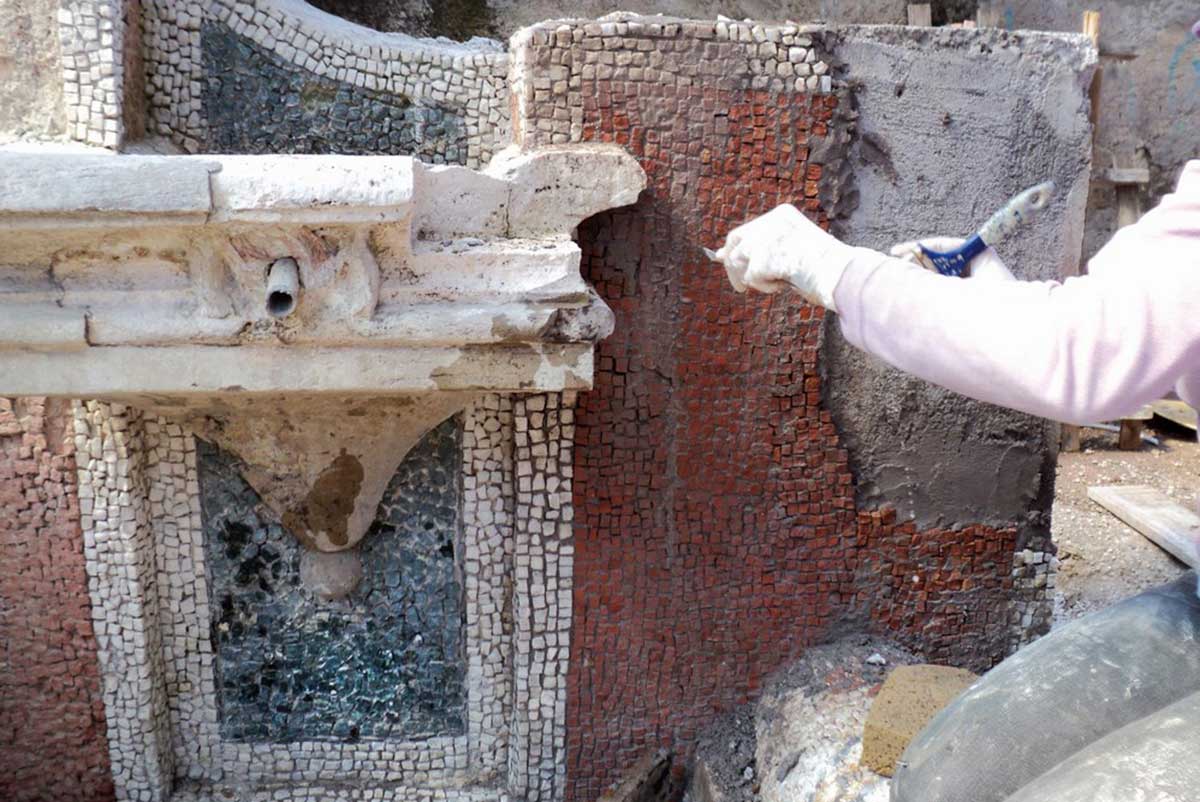
Recovery and Restoration of floors and walls

Restoration of altars with ancient marble

Advice and technical support

Patient art
Synonymous with beauty

Artistic sensibility's variety is the heart of the workforce, combining ancient and modern processing techniques to create unique and exclusive works and decorations. The profound knowledge of the materials blended with a wide.

Collaborating to create

We collaborate with architecture studios, interior designers and companies on residential, hospitality and retail projects.
Every project is unique.
 Every material is the result of a vision and a deliberate choice.
KREI is where material and design come together.

Do you have a project in mind?

Technical FAQs

1Is mosaic also suitable for contemporary architecture?
Yes, mosaic is now one of the most widely used materials in contemporary architecture, particularly in projects that call for tactile, non-standardised surfaces. Unlike industrial solutions, it allows for the creation of unique textures with remarkable depth.
2What is the difference between mosaic and tiles?
Mosaic is made up of small tesserae that create a richly textured surface, while tiles create more continuous and uniform surfaces.
3Is mosaic durable over time?
Yes, mosaic is one of the most durable materials in the history of architecture. Examples dating back to Ancient Rome are still perfectly preserved today.
4Is mosaic suitable for indoor and outdoor flooring?
Yes, mosaic is ideal for both indoor and outdoor flooring. The presence of joints improves grip, making it suitable even for high-traffic areas or wet surfaces.
5Is mosaic suitable for bathrooms, showers and spas?
Yes, it is one of the most widely used materials in wet areas such as bathrooms, showers and spas. It provides excellent grip, visual continuity and a sophisticated aesthetic.
6Does mosaic require maintenance?
Mosaic made from natural materials requires only simple, routine maintenance. Protective treatments can be applied depending on the intended use and setting.
7Can mosaic be customized?
Yes, mosaic can be fully customised in terms of tessera size, layout, materials and colours. Each surface can be designed to suit the specific space.
8Is mosaic suitable for curved or complex surfaces?
Yes, it is particularly suitable for complex surfaces such as staircases, columns and curved forms. The small tesserae allow for excellent geometric adaptability.
9What materials are used in KREI mosaics?
KREI mosaics are made from carefully selected natural materials such as marble, stone and handcrafted terracotta. Each tessera retains natural variations and imperfections that make every surface unique.
10Is mosaic a decorative or architectural choice?
Mosaic can be decorative, but at KREI it is conceived as an architectural element. It defines space through materiality, rhythm and light.